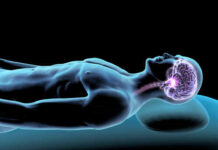
Twenty minutes on a stationary bike just rewired your brain for learning, and neuroscientists have finally caught it happening in real time.
Quick Take
- A 2025 study using implanted electrodes in epilepsy patients captured the first direct human evidence that a single 20-minute cycling session triggers immediate hippocampal ripples—the brain’s memory consolidation signal.
- Ripple activity surged within minutes after exercise and spread to cortical regions, priming the brain for encoding new information right away.
- Exercise intensity matters: higher heart rates during cycling produced stronger ripple responses, revealing a dose-dependent effect.
- The findings bridge decades of animal research to humans, positioning brief aerobic activity as an accessible cognitive enhancement tool for students, professionals, and aging populations.
The Neural Signature Scientists Have Been Chasing
For forty years, neuroscientists observed hippocampal sharp-wave ripples in rodents—brief, high-frequency electrical bursts tied to memory consolidation. But humans presented a problem: you cannot ethically implant electrodes in healthy brains just to watch them think. That changed when researchers at Spain’s Neuroscience Institute Alicante gained access to 14 epilepsy patients already wearing implanted electrodes for clinical monitoring. They seized the opportunity to record what happens inside the human brain immediately after exercise.
What the Brain Does in Twenty Minutes
Participants cycled at a comfortable pace for exactly twenty minutes while researchers measured baseline hippocampal activity. The results stunned the team: ripple activity surged within minutes of stopping, and these ripples synchronized across regions, spreading from the hippocampus to cortical areas responsible for learning and memory storage. The brain was literally organizing information in real time, priming itself to absorb and retain new knowledge.
Lead researcher Juan Ramirez-Villegas emphasized the cortical involvement: intensity tuned the response. Higher heart rates during cycling produced stronger ripples. This intensity-dose relationship suggests that moderate-to-vigorous activity maximizes the cognitive boost, not casual movement.
Why This Moment Matters for Busy Minds
The implications for students, professionals, and aging adults are immediate. A pre-study walk or bike session could prime your brain for better retention during lectures or focused work. For adolescents, short movement breaks during sitting sessions prevent working memory decline. For older adults facing dementia risk, twenty minutes of cycling twice weekly shows promise in slowing cognitive decline—a low-cost intervention scalable to schools, offices, and clinics.
The Caveats That Keep Scientists Honest
The study involved only fourteen participants from a clinical population, limiting generalizability to healthy adults. Ramirez-Villegas himself calls for behavioral-memory tests to confirm that ripple surges translate to actual learning gains. Replication in non-clinical groups remains pending. The breakthrough is neurological, not yet fully behavioral—but the foundation is solid.
What you hold now is the first direct human proof that movement reorganizes your brain for learning within minutes. Not hours. Not days. Minutes. For readers over forty juggling competing priorities, that shifts everything: the brain hack you need is not a supplement or app, but the simplest intervention available—movement, brief and intense enough to elevate your heart rate.
Sources:
How Exercise Improves Memory: The 20-Minute Shift That Changes Everything
20 Minutes Exercise Could Support Memory
Adolescent Physical Activity and Cognitive Function Study
Just 20 Minutes of Exercise Twice a Week May Help Slow Dementia
Regular Exercise Changes Brain, Improve Memory and Thinking Skills