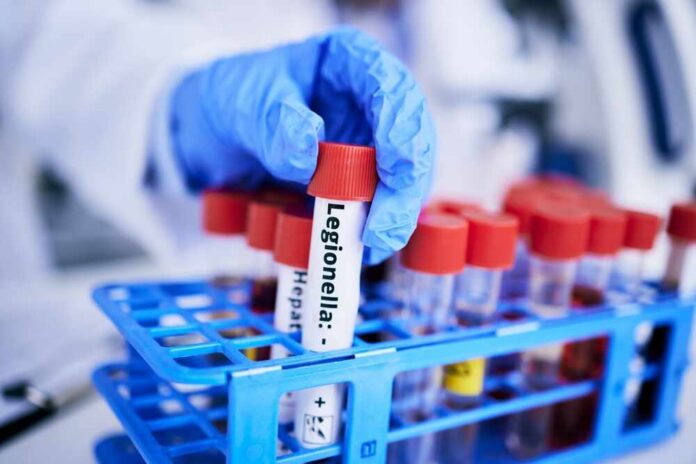
Your annual “everything looks fine” lab report after 40 might be the biggest health red flag of all.
Story Snapshot
- Most midlife women only get basic labs that miss silent, long-building risks.
- Five non-standard tests can reveal heart, metabolic, thyroid, and energy problems years earlier.
- You must ask for these labs; they are not on the usual wellness checklist.
- Mainstream guidelines lag behind, so you need to think like your own health advocate.
Why “Normal Labs” After 40 Can Be Deeply Misleading
Your doctor checks cholesterol, blood sugar, and maybe a basic thyroid test, then says you are “normal.” The problem is that these standard panels were built decades ago and mainly look for disease that has already shown up, not risks that are quietly growing during perimenopause and midlife.[9] For a woman over 40, that blind spot covers the big killers: heart disease, diabetes, and slow-burn thyroid problems that sap energy long before they trigger dramatic lab changes.[1]
Women in their 40s and 50s often report fatigue, weight gain, brain fog, and sleep issues that get blamed on stress or aging. Yet articles aimed at midlife women now highlight advanced labs like apolipoprotein B, lipoprotein(a), fasting insulin, vitamin D, ferritin, and full thyroid panels as key tools to see what is really going on beneath those vague symptoms.[1][7] These tests do not appear on the usual preventive-care lists, so most doctors never order them unless a patient pushes.
The Five Non-Standard Labs That Change the Picture
Functional and longevity-focused physicians call out five labs that sit just beyond the standard toolkit: apolipoprotein B, lipoprotein(a), fasting insulin, vitamin D, ferritin, and a full thyroid panel that includes hormones and antibodies.[1][2] Ohio-based and other clinicians describe advanced lipid markers like apolipoprotein B and lipoprotein(a) as offering more nuance for women with a strong family history of heart disease, especially when regular cholesterol looks fine.[7] These tests dig into particle number and inherited risk rather than just total cholesterol.
Fasting insulin, which almost no primary-care doctor orders by default, can show insulin resistance a decade before routine blood sugar tests cross into the prediabetes zone.[1] Functional doctors use it when women show stubborn fatigue or weight gain but have “normal” fasting glucose and hemoglobin A1c results.[2] This is critical in perimenopause, when hormonal shifts directly impair insulin sensitivity and drive both menopause belly and earlier, harsher hot flashes.[1] Catching insulin issues early gives a woman years of extra runway to change course.
Vitamin D, Ferritin, And Thyroid: The Silent Energy Killers
Midlife fatigue is often brushed off as busy life, yet clinicians note that low vitamin D, low iron stores (shown by ferritin), and under-treated thyroid problems sit at the center of many “normal labs” exhaustion stories.[7] One major health system blog urges women with normal basic panels but persistent fatigue to ask specifically about vitamin D, B12, and iron, because those levels are often missed and easily fixed once found.[7] These are simple blood tests, but they are not always run unless you insist.
A full thyroid panel goes beyond thyroid-stimulating hormone alone and looks at free T3, free T4, reverse T3, and thyroid antibodies.[2] Functional doctors argue that relying only on thyroid-stimulating hormone misses subclinical thyroid disease that still causes brain fog, weight gain, hair loss, and low mood.[2] For women whose symptoms do not match their “normal” thyroid-stimulating hormone value, broader testing can explain what is happening and open up more targeted treatment options.
Guidelines, Insurance, And The Conservative Question: Is This Over-Testing?
Mainstream groups like the United States Preventive Services Task Force and MedlinePlus still recommend standard cholesterol panels, diabetes screening with glucose or hemoglobin A1c, mammograms, and colon cancer tests, but do not list apolipoprotein B, lipoprotein(a), fasting insulin, or full thyroid panels as routine for average-risk women.[9][11] Insurance coverage follows those guidelines, which makes these advanced labs harder to access or more expensive.
At the same time, there is clear evidence from women’s health research that some “extra” screening can backfire with real harms, especially much later in life.[12] Over-testing in older adults has led to procedures, biopsies, and surgeries that did not improve survival but did reduce quality of life.[12] That history makes many conventional doctors cautious about adding non-standard tests, and there is not yet a large trial proving that these five labs, done routinely, lower death rates in women over 40.[1][12] So the burden shifts to personal choice and risk tolerance.
How A Practical Woman Should Think About These Labs
The evidence so far supports a middle path: keep all guideline-backed screenings, but strongly consider apolipoprotein B, lipoprotein(a), fasting insulin, vitamin D, ferritin, and a more complete thyroid panel if you have family history of heart disease, diabetes, thyroid issues, or unexplained fatigue and weight changes.[1][7][9] These situations raise the stakes enough to justify extra lab work.
Most important, none of these tests order themselves. Every major article on midlife labs stresses the same thing: they require you to ask; they are not part of a standard annual wellness panel.[1][6] If your doctor brushes off questions or refuses to explain the pros and cons, that is a signal to seek a second opinion, not to stop asking. The real risk for women over 40 is not knowing too much. It is staying in the dark while slowly rising numbers work against you for years.
Sources:
[1] Web – 5 Labs Every Woman 40+ Should Be Getting & Why You Should Ask For …
[2] Web – 7 Blood Tests You Should Ask For At Your Next Annual Physical
[6] Web – Health Checklist For Women Over 40 – WebMD
[7] Web – What Women Need to Know About Bloodwork – OhioHealth – Blog
[9] Web – Women Ages 40-64 – Labcorp Women’s Health
[11] Web – Health Screenings You Need in Your 40s and 50s – BeWell SHBP
[12] Web – Age-Appropriate Women’s Health Screenings and Wellness Practices