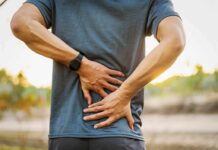
Sitting still is the worst thing you can do for a creaky knee or a stiff hip as you get older. New research spotlighted by ScienceDaily shows that skipping movement to “protect” aging joints actually starves them of the fluid and nutrients they need to work right.
Quick Take
- Aging wears down cartilage and joint fluid over time, but avoiding movement makes the damage worse, not better.
- Exercise moves synovial fluid through the joint, carrying nutrients that feed cartilage directly.
- A major Cochrane review found exercise cuts knee osteoarthritis pain and improves function.
- Other large reviews warn the average benefit can be modest, so consistency and the right type of exercise matter.
Why Resting A Sore Joint Backfires
Doctors have long told patients to rest an aching knee. New reporting flips that advice on its head. Joints depend on movement to push synovial fluid through the cartilage, and that fluid carries the nutrients cartilage needs to survive. Sit still too long, and the joint quietly starts losing the very supply line that keeps it healthy.
That mechanism explains why so many seniors feel worse after a few days off their feet, not better. The cartilage between bones has no blood vessels of its own. It relies almost entirely on motion to pump nutrients in and waste out. Without that pumping action, cartilage breaks down faster, and the joint stiffens even more than aging alone would cause.
What The Cochrane Review Actually Found
The strongest evidence behind this comes from a Cochrane review, widely considered the gold standard for medical evidence. It concluded that exercise reduces pain and improves physical function for people with knee osteoarthritis, and the improvement holds up compared to doing nothing at all. That is not a marginal finding. It is one of the most trusted verdicts in medical research.
Cochrane’s own summary goes further, saying exercise likely beats no treatment, usual care, or even attention from a provider when it comes to pain, function, and quality of life. For anyone told for years that a bad knee means less activity, that is a direct contradiction worth taking seriously, especially from a source this rigorous.
Not Every Study Agrees On How Much It Helps
A separate large analysis found the relief from exercise therapy can be small and short-lived, and in some cases barely better than doing nothing. That does not erase the core finding that movement helps. It simply means the size of the benefit varies by study, by joint, and by how the exercise is done. Medical groups have wrestled with this gap for years.
Expert panels, including the Arthroscopy Association of Canada, still strongly recommend exercise as a core part of managing knee osteoarthritis. International consensus groups have built detailed guidelines around delivering that exercise properly, covering everything from goal-setting to picking the right intensity for each patient. The disagreement in the data is about magnitude, not about whether movement belongs in the treatment plan.
The Real Obstacle Is Sticking With It
Even when patients believe exercise helps, actually doing it consistently is a different battle. Research on adherence points to fear of pain, low motivation, and limited access to facilities as the biggest barriers standing between seniors and the joint relief they’re chasing. Knowing exercise works means little if the program gets abandoned after two weeks.
That is where common sense should guide older Americans more than any single headline. Nobody needs a lab coat to know that muscles get weaker and joints get stiffer when they sit unused. The research simply confirms what grandparents who stayed active always suspected: motion is medicine, and the mistake is quitting on it too soon.
🦴 JOINT PAIN MISTAKE: Avoiding Movement Makes It Worse!
Exercise actually nourishes cartilage & strengthens protective muscles.
Best low-impact activities:
🏊 Swimming
🚴 Cycling
🧘 Tai Chi
🤸 Yoga#JointHealth #Aging #Exercise #Wellness #ScienceNews pic.twitter.com/MPA5PcyYPr— DrSciora (@DrSciora) August 16, 2026
The takeaway for anyone over 50 with a sore hip or knee is straightforward. Movement, especially strengthening and aerobic exercise combined, is the closest thing to a proven tool for slowing joint pain as we age. The mistake isn’t overdoing it. The mistake is sitting down and staying there.
Sources:
sciencedaily.com, bjsm.bmj.com, pmc.ncbi.nlm.nih.gov, cambridge.org, researchonline.gcu.ac.uk