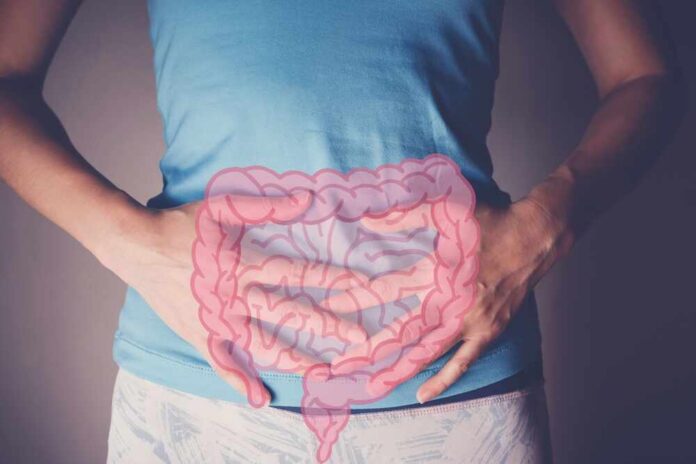
Your “bad sleep” might not start in your bedroom at all—it can start in your gut, with microbes quietly steering your energy, mood, and how fast you seem to age.
Quick Take
- Microbiome science has moved beyond digestion into sleep quality, daily energy, immune balance, and longevity.
- Dr. Zain Kassam’s career tracks that shift: from fecal microbiota transplantation (FMT) for stubborn infections to precision probiotics and clinical trials.
- Microbes influence the body through metabolites that can affect the gut-brain axis, metabolism, and inflammation.
- Not all probiotics are equal; strain-specific evidence and real clinical outcomes matter more than labels.
Why a Sleep and Longevity Story Starts With a Gastroenterologist
Revolution Health Radio host Chris Kresser brought gastroenterologist and microbiome researcher Dr. Zain Kassam on to talk about a surprising thesis: the microbiome doesn’t just manage gut comfort; it can shape sleep, energy, metabolism, brain health, immune responses, and the arc of aging. That claim sounds sweeping, but Kassam’s credibility comes from building tools that forced medicine to take microbes seriously—first through FMT, then through engineered, trial-driven microbiome therapeutics.
Kassam’s perspective matters because he’s lived through the awkward adolescence of this field: early hype, real wins, and the reality check that biology doesn’t care about marketing. For the 40+ crowd juggling sleep drift, stubborn belly issues, and “why am I tired at 2 p.m.,” this episode’s hook is practical. If microbes can push the nervous system, hormones, and inflammation in certain directions, then “fixing sleep” may require more than magnesium and blackout curtains.
From “Unconventional” FMT to a Standardized Medical Workhorse
The microbiome’s modern credibility didn’t begin with boutique supplements; it began with a desperate clinical problem: recurrent C. difficile infections that resisted antibiotics. During his residency at McMaster University, Kassam saw patients caught in that loop and advocated for fecal microbiota transplantation when it still sounded like a dare. He later co-founded OpenBiome, the first public stool bank, to standardize safety and access and make research possible at scale.
OpenBiome’s reach turned a fringe therapy into something hospitals could actually use. Reports about the organization cite tens of thousands of shipped treatments and coverage across the United States, plus a research pipeline that included randomized controlled trials in conditions beyond C. diff. That scale matters because it separates “a few clinics tried it” from “medicine must now explain why it works.” For microbiome science, FMT was the uncomfortable proof-of-concept that microbes can move outcomes.
How the Story Shifts: Capsules, Trials, and the Demand for Proof
FMT’s success created its own problem: it’s hard to standardize a complex biological transfer and even harder to make it feel like normal medicine. Kassam’s next step—Finch Therapeutics—pushed the idea toward oral microbiome capsules and drug-style trials, including a positive randomized controlled trial for oral FMT in C. diff. That kind of study design is the dividing line between hope and evidence, and it’s the standard the field now has to meet.
That path also explains why Kassam’s current role at Seed Health draws attention. Seed positions itself around next-generation probiotics and broader microbiome applications, and Kassam joined as Chief Medical Officer in 2024 to lead clinical and R&D efforts. The storyline isn’t “supplements got smarter.” The storyline is “microbiome products must behave like real interventions,” with measurable endpoints and honest limits—especially when people tie them to brain health and longevity.
Microbes Don’t “Talk” to the Brain; They Send Chemicals With Consequences
The most useful way to think about microbiome influence is not mystical—it’s chemical and immunological. Gut microbes produce metabolites that can affect inflammation, metabolic signaling, and pathways linked to the gut-brain axis. That’s the bridge to sleep and energy: if the body runs on stable immune tone and predictable metabolic rhythms, then microbial outputs that nudge those systems can show up as restless nights, foggy mornings, or mood volatility. The gut becomes a control panel, not a side quest.
This is also where common sense should temper the hype. The fact that microbes produce powerful molecules does not mean every probiotic on a drugstore shelf can meaningfully change those pathways. Kassam has emphasized that strain specificity and clinical validation matter. From a conservative, evidence-first perspective, the correct posture is cautious optimism: reward rigorous trials, distrust sweeping claims, and treat “natural” as a marketing word, not a safety guarantee.
What “Actionable” Looks Like When You Refuse to Be Sold a Fairy Tale
Readers looking for a single miracle strain will be disappointed, and that’s a good thing. The actionable message is about standards: look for products or programs tied to clinical research, not influencer testimonials. Pay attention to whether a claim targets a real outcome—sleep quality, metabolic markers, symptom scores—rather than vague “balance.” And remember that microbiome interventions interact with basics people can control: diet quality, alcohol, sleep timing, and unnecessary antibiotic exposure.
The deeper payoff in Kassam’s arc—from OpenBiome to Finch to Seed—is that it models how medicine should modernize without losing its spine. The microbiome can be revolutionary and still require discipline: precise definitions, repeatable manufacturing, and trials that can fail.
Microbiome science now sits at a crossroads older adults recognize from past health fads: the line between a legitimate new frontier and a money pit of overpromises. Kassam’s story suggests the field is maturing the right way—through scalable interventions and evidence. If the gut can influence sleep and longevity, the next question is blunt: which interventions actually move the needle, for whom, and at what cost? That’s the question worth losing sleep over.
Sources:
Medicine Matters – University of Virginia
Dr. Zain Kassam – Malibu Microbiome Meeting
Extend Podcast with Zain Kassam
Seed Health Appoints Microbiome Pioneer Zain Kassam, MD, MPH as Chief Medical Officer
Zain Kassam – Google Scholar Citations