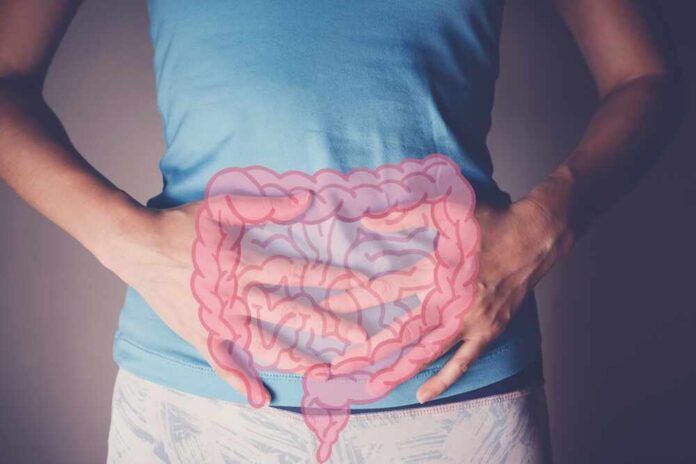
The fastest way to feel “less puffy” isn’t a cleanse, a detox tea, or skipping dinner—it’s fixing the daily fiber gap that quietly trains your gut to bloat on command.
Quick Take
- Most everyday bloating tracks back to slow transit, gas management, and a microbiome that’s underfed—fiber sits at the center of all three.
- “Fibermaxxing” rose in 2026 because people want practical relief, and the data keeps pointing to the same boring hero: consistent, adequate fiber.
- Newer “biotics” (pre-, pro-, and postbiotics) are getting tested for bloating outcomes, but results vary and product claims still require scrutiny.
- Clinical voices keep repeating one hard rule: don’t normalize chronic bloating; persistent symptoms deserve a professional look.
The “Overlooked Key” Isn’t Exotic—It’s Consistency
Bloating feels personal, but the mechanics are painfully ordinary: food ferments, gas builds, the gut stretches, and your brain reads that stretch as discomfort. A low-fiber pattern makes this worse by slowing movement and starving beneficial microbes that help manage fermentation. The 2026 gut-health conversation didn’t “discover” fiber; it finally re-centered it because people are tired of complicated plans that don’t work.
The mistake many adults make is treating fiber like a rescue tool—add a giant salad after a heavy weekend and hope for the best. Your gut doesn’t respond like a light switch; it adapts like a thermostat. Steady fiber intake shapes stool bulk, water balance, and microbial activity over time. When you alternate between low-fiber days and sudden “healthy” bursts, you can trigger more gas and cramping, then blame fiber itself.
Why 2026 Made Bloating a Bigger Deal Than It Used to Be
Two forces collided. First, consumer priorities shifted: digestive comfort became a stated goal, not an embarrassing side quest. Second, weight-loss medications—especially GLP-1 therapies—changed the digestive landscape for millions, and bloating complaints rose alongside slower gastric emptying and altered eating patterns.
That’s where “fibermaxxing” landed so well with adults over 40. It speaks the language of results: less pressure, fewer surprise blow-ups after meals, and a body that feels like it belongs to you again. Fiber isn’t trendy, but it’s testable, measurable, and tied to outcomes that matter beyond your waistband.
Soluble vs. Insoluble Fiber: The Practical Difference Your Belly Cares About
Soluble fiber gels with water and tends to slow digestion while feeding microbes; insoluble fiber adds bulk and helps move things along. People get lost in the taxonomy and miss the point: your gut needs both, and your symptoms tell you which lever to pull first. If you feel “stuck,” bulk and movement matter. If you feel “bubbly,” fermentation control and gradual dosing matter. Either way, ramping too fast invites backlash.
Fermented foods add another layer because they introduce microbes and metabolites that can shift digestion. A University of Nottingham kefir-and-fiber study drew attention because it paired fermentation with fiber, which is how real-world guts often improve: not one miracle ingredient, but a supportive stack. The boring truth remains the winning one—small daily choices beat weekend heroics, especially for older adults with slower motility.
Biotics and Bloating Claims: What’s Promising, What’s Premature
“Biotics” exploded as a category because it offers a medical-sounding answer without a prescription. Some research highlighted specific strains and postbiotics for digestive outcomes, and companies increasingly cite peer-reviewed work to differentiate themselves. That’s good—evidence should beat influencer vibes. The catch is that microbiomes differ, products differ, and “works in a study” doesn’t always mean “works in your kitchen after pizza night.”
ClinicalTrials.gov lists an ongoing trial for a product literally called “Bloat,” testing it against placebo in healthy women and tracking gas and bloating measures over several weeks. That matters because it signals seriousness—defined outcomes, structured timelines, and clear exclusions. It also signals restraint: ongoing trials don’t prove effectiveness yet.
The Two-Week Gut Reset That Doesn’t Insult Your Intelligence
Most people don’t need a dramatic purge; they need a plan their life can tolerate. Start with a modest fiber increase and keep it steady, not heroic. Pair it with water and light movement, because fiber without fluids can backfire. Track one symptom that actually matters—post-meal pressure at 60 minutes, or morning abdominal tightness—so you can judge change without spiraling into obsession.
Food-wise, consistency beats novelty: rotate a few high-fiber staples you genuinely eat, and space them across the day instead of dumping them into one dinner. If you experiment with a probiotic or postbiotic, change only one variable at a time and give it enough time to show a signal. Adults over 40 usually fail here, not from lack of willpower, but from changing everything on Monday and quitting by Thursday.
When Bloating Stops Being “Normal” and Starts Being a Warning
Medical groups that deal with digestive patients for a living make one point bluntly: don’t normalize persistent bloating. Self-care makes sense for occasional symptoms tied to diet, stress, travel, or medication changes. Ongoing or worsening bloating, especially with pain, weight loss, blood in stool, or major bowel changes, deserves a professional workup. Responsible gut health content respects that line instead of selling false certainty.
The real overlooked key isn’t just fiber; it’s the willingness to choose the unsexy fix and stick with it long enough to judge it fairly. Trend cycles will keep selling drama—elimination plans, “flat belly” hacks, miracle powders.
Sources:
https://clinicaltrials.gov/study/NCT07370740
https://www.nutritioninsight.com/news/gut-health-trends-2026-biotics-personalized-nutrition.html
https://www.uniteddigestive.com/5-resolutions-to-boost-your-gut-health-in-2026/
https://www.sciencedaily.com/releases/2026/03/260307213252.htm
https://www.mngi.com/blog/gut-health-new-year-start-2026-feeling-your-best