What if a virus you caught during pregnancy could quietly shape your child’s future in ways no one expected?
Story Snapshot
- Large 2025 study links maternal COVID-19 infection to a modestly increased autism risk in children.
- Association strongest for third-trimester infections and male offspring; absolute risk remains low.
- Findings apply only to pregnancies before vaccines were available, leaving questions about vaccinated groups.
- Experts stress the study does not prove causation and urge further research.
COVID-19 in Pregnancy: The Data Behind the Headlines
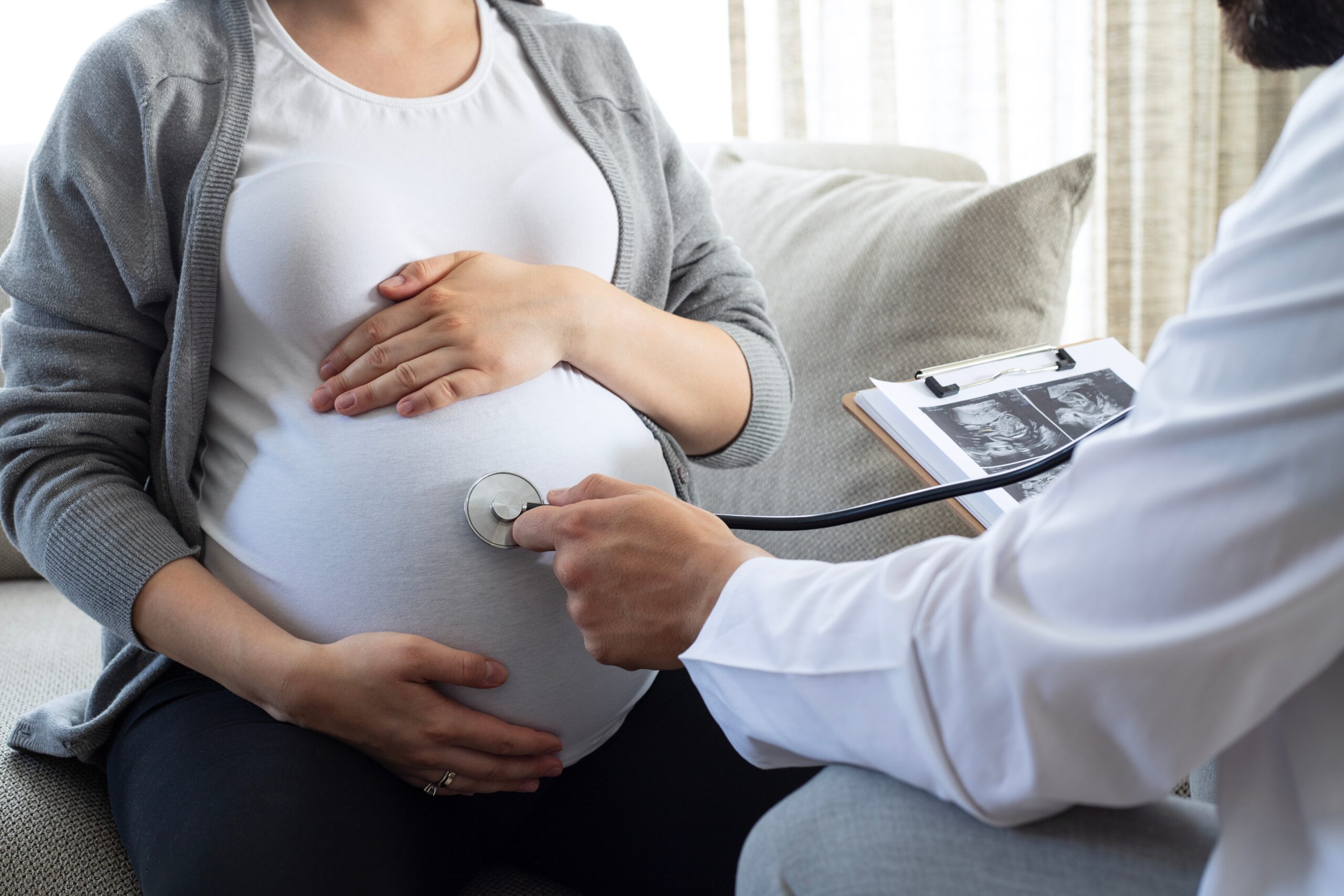
Researchers at Massachusetts General Hospital and Harvard Medical School analyzed over 18,000 births in Massachusetts, tracking mothers who contracted COVID-19 from March 2020 to May 2021. All mothers were tested for COVID-19 at delivery, allowing precise identification of exposed pregnancies. The study revealed that children born to mothers with COVID-19 during pregnancy were more likely to receive a neurodevelopmental diagnosis—including autism—by age three compared to their peers born to non-infected mothers. The numbers: 16.3% of exposed children had a diagnosis, versus 9.7% of unexposed. The difference, while statistically significant, translates to a modest absolute risk. Most children exposed in utero to COVID-19 did not develop autism or related conditions.
Researchers found the strongest association when mothers contracted COVID-19 in the third trimester and among male children. These nuances echo previous findings about timing and sex differences in neurodevelopmental vulnerability. The study’s design—large sample, universal testing, robust public health infrastructure—places its findings among the most reliable yet, but the results raise as many questions as they answer. The research took place before vaccines were widely available to pregnant women, so the impact of vaccination on these risks remains unknown.
Historical Parallels: Infection and Fetal Brain Development
Medical literature has long recognized that maternal infections—rubella, cytomegalovirus, influenza—can affect fetal brain development. The COVID-19 pandemic created a natural experiment, thrusting millions of pregnant women into uncharted territory. Early pandemic studies focused on acute outcomes for mothers and newborns, but as time passed, attention shifted to long-term child outcomes. The October 2025 study builds on this legacy, showing that COVID-19, like other viral infections, may activate maternal immune responses that subtly influence neurodevelopment.
Previous research on Zika and influenza found similar risks for autism and related disorders, with maternal inflammation as a possible culprit. The Massachusetts study’s observation that boys and third-trimester exposures are most affected matches patterns seen in prior viral epidemics. Still, while parallels exist, experts caution that COVID-19’s unique inflammatory profile and global scale might produce effects not fully captured by past outbreaks.
Expert Reactions: Caution, Context, and Calls for Research
Study co-author Dr. Andrea Edlow emphasizes that while the relative risk of autism increased, the absolute risk remains low. She stresses the need for research among vaccinated populations and reminds families that not every child exposed in utero to COVID-19 will be affected. Drexel University’s Mary Ann Comunale highlights the importance of vaccination, especially given ongoing hesitancy among pregnant women. Most experts agree: maternal infection can influence child development, but the study cannot prove causation—only association.
Skeptics note that observational studies, no matter how large, may miss confounding factors like socioeconomic stress or healthcare access during the pandemic. The research team adjusted for many variables, but residual confounders may still exist. For now, clinicians are encouraged to monitor development closely in children born to mothers who had COVID-19 during pregnancy, especially those exposed late in gestation. Public health agencies reiterate that vaccination remains the best tool to prevent infection and potential downstream risks.
Implications for Families, Healthcare, and Policy
Short-term, the study has prompted increased awareness and developmental screening for children whose mothers had COVID-19 while pregnant. For affected families, anxiety and uncertainty can drive the search for answers and support. Healthcare providers may adjust prenatal counseling, emphasizing infection prevention and monitoring exposed children. If future research confirms a causal link, demand for educational and intervention services could rise, impacting both healthcare and educational systems.
Economically, increased screening and intervention may strain resources, while socially, stigma and advocacy for affected families could grow. Politically, findings may influence vaccination campaigns and funding for research and services. Pharmaceutical companies and insurers may reevaluate vaccine messaging and coverage for developmental care. For researchers, the study opens new avenues for investigating maternal-fetal health and neurodevelopmental risk.
Sources:
New Study Links COVID in Pregnancy to Autism Risk in Children
Is Covid During Pregnancy Linked to Autism? What a New Study Shows, and What It Doesn’t
Covid-19 Pregnancy Autism Research Study