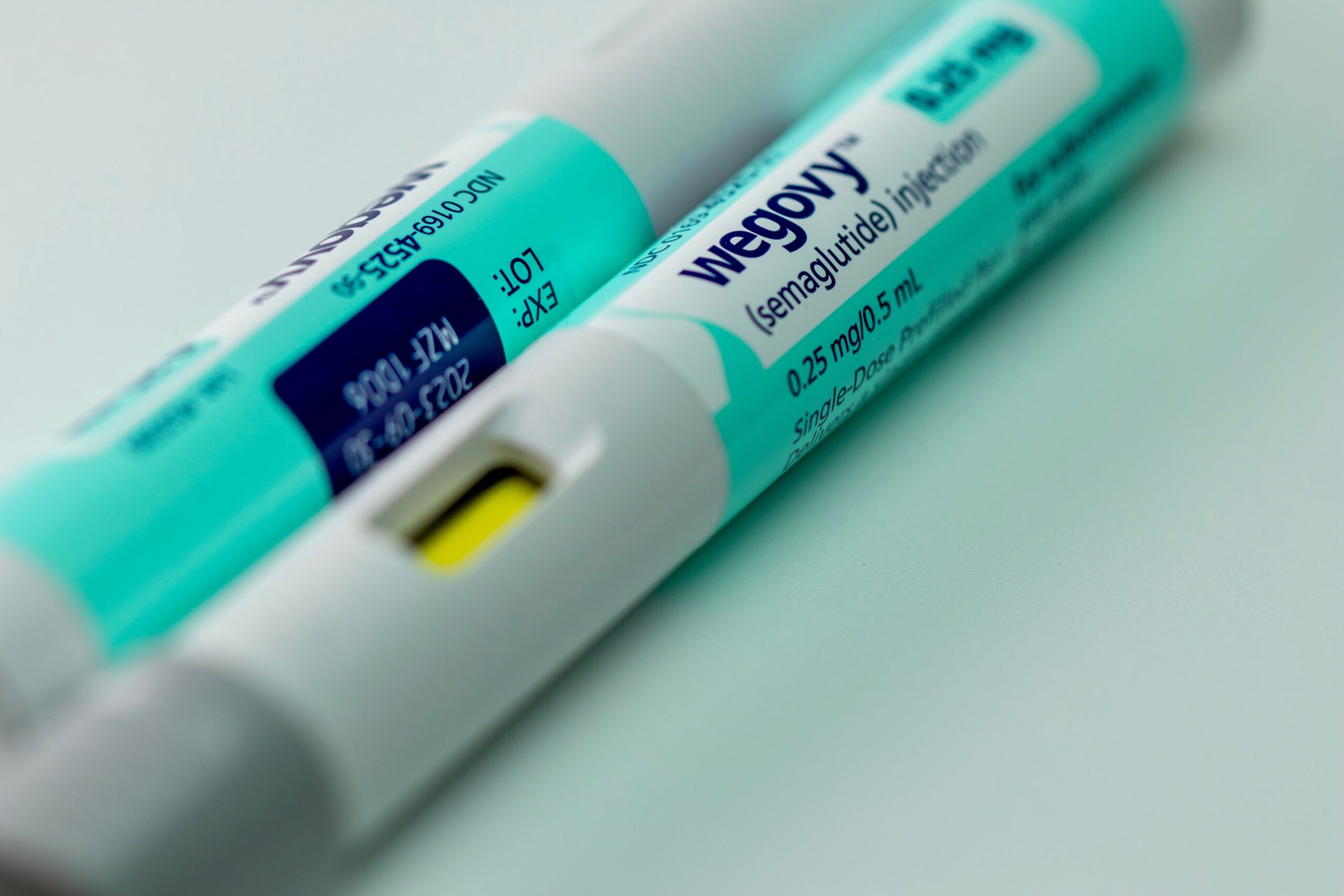
The “miracle” weight-loss drugs that promised effortless transformation are now linked to at least 10 deaths and nearly 400 serious pancreatic complications, as global regulators scramble to contain a crisis they should have seen coming.
Story Snapshot
- UK regulators report 10 deaths and nearly 400 severe pancreatic problems linked to GLP-1 weight-loss drugs
- FDA issued warning letter to Novo Nordisk for downplaying fatal risks including necrotizing pancreatitis
- Over 1,100 adverse events reported from compounded versions of these drugs by mid-2025
- Thousands of lawsuits now allege manufacturers failed to warn about organ-threatening complications
The Death Toll Hidden Behind Marketing Magic
While celebrities and influencers celebrated dramatic weight loss on social media, a darker story was unfolding in hospital emergency rooms. The UK’s Medicines and Healthcare products Regulatory Agency received reports of at least 10 deaths directly linked to GLP-1 drugs like Ozempic and Wegovy, with nearly 400 additional cases of serious pancreatic complications that could have proven fatal.
These aren’t mild stomach upsets that manufacturers love to mention in their glossy advertisements. We’re talking about necrotizing pancreatitis, a condition where pancreatic tissue literally dies, often requiring emergency surgery and sometimes claiming lives despite aggressive medical intervention.
Find out if GLP-1 medication is right for you.
Regulatory Agencies Sound the Alarm
The FDA’s September 2025 warning letter to Novo Nordisk reads like an indictment of corporate irresponsibility. The agency accused the pharmaceutical giant of promoting Wegovy with communications that were “false or misleading” because they minimized serious risks including fatal pancreatitis, gallbladder disease requiring surgical removal, kidney injury, and suicidal behavior.
What makes this particularly egregious is the timeline. The FDA has been steadily adding warnings to Ozempic’s label since March 2022, starting with gallbladder disease, then intestinal blockage in September 2023, pulmonary aspiration risks in November 2024, and severe pancreatitis and kidney injuries in January 2025. Each addition represents real people who suffered preventable complications.
Discover modern medical weight loss, start free.
The Compounding Pharmacy Disaster
As demand for these drugs exploded and shortages became common, patients turned to compounding pharmacies for cheaper alternatives. The results have been catastrophic. By July 2025, the FDA documented over 1,100 adverse events from compounded versions of semaglutide and tirzepatide, including serious cases requiring immediate medical attention.
Compounded drugs lack the quality controls and precise dosing of approved medications. Patients received over-concentrated formulations or incorrect titration schedules, amplifying already dangerous side effects. The FDA’s warnings about these unapproved products came too late for hundreds of victims who trusted their local pharmacies to provide safe alternatives.
Join thousands using AI to lose weight the smart way.
Corporate Profits Versus Patient Safety
The thousands of lawsuits now flooding courts tell a consistent story: pharmaceutical companies prioritized market share over honest risk communication. Motley Rice and other major law firms are coordinating multidistrict litigation alleging that manufacturers knew about severe complications but chose to emphasize minor gastrointestinal discomfort while burying evidence of life-threatening risks.
This pattern reflects a broader problem in pharmaceutical marketing, where direct-to-consumer advertising and social media promotion create unrealistic safety expectations. When companies spend more on marketing than research and development, patient welfare inevitably takes a backseat to shareholder returns.
Sources:
Fatal side effects weight loss drugs medication new investigation uncovered deaths
FDA Warning Letter to Novo Nordisk Inc
FDA’s Concerns About Unapproved GLP-1 Drugs Used for Weight Loss
AMA Ozempic Study Weight Loss Drugs Side Effects