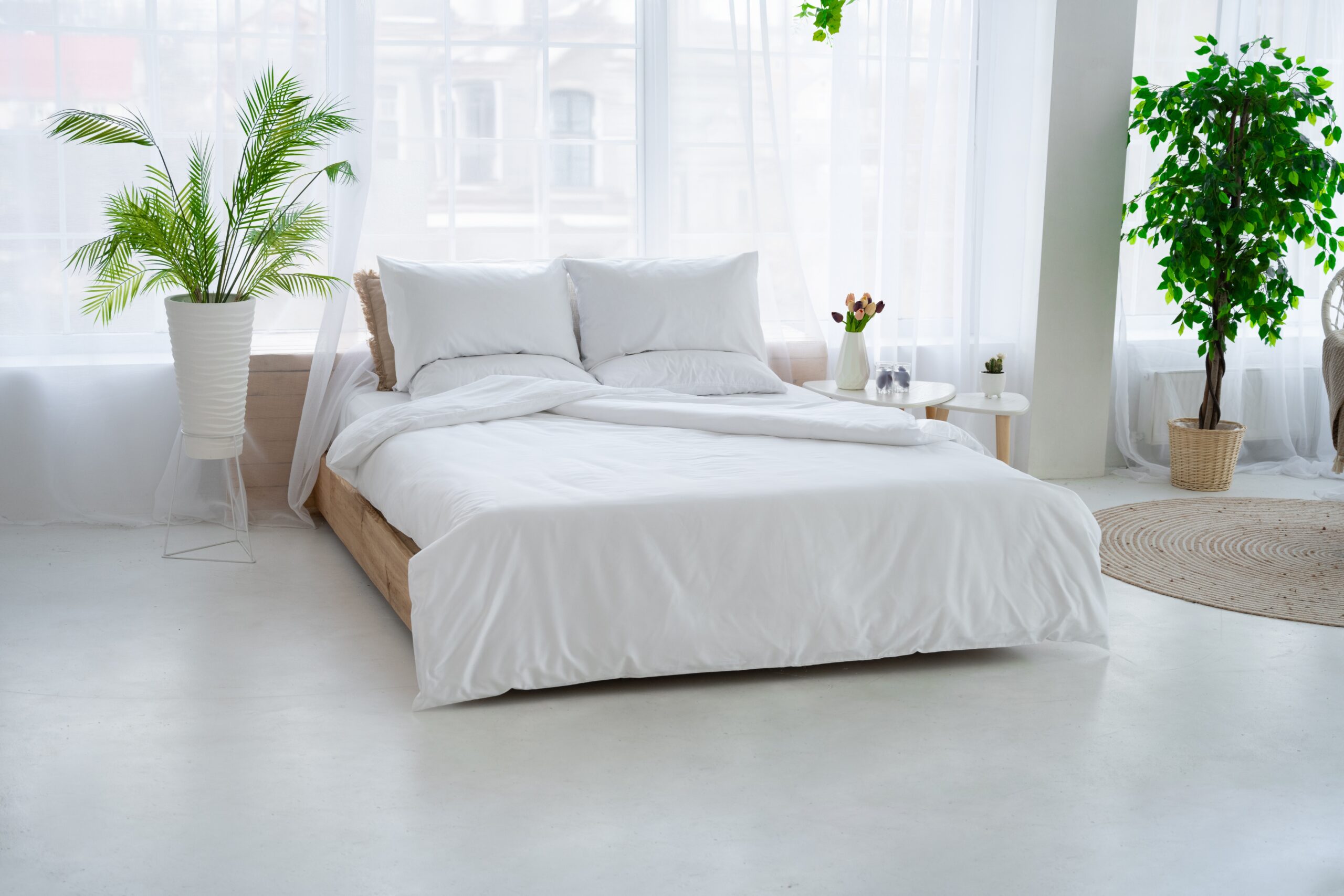
Your bed produces a botanical park of bacteria and fungi that could be sabotaging your health every single night.
Quick Take
- Humans produce 26 gallons of sweat annually in bed, creating ideal fungal breeding conditions
- Pillows contain 4-17 different fungal species, including potentially dangerous Aspergillus
- Most people wash sheets far less than the weekly schedule microbiologists recommend
- Bedding becomes a significant health risk within just one week of use
The Invisible Ecosystem in Your Bedroom
Philip Tierno, a microbiologist at New York University, describes your bed as a “botanical park” teeming with life you cannot see. Every night, you shed hundreds of thousands of skin cells while excreting up to half a pint of sweat. This biological debris creates the perfect environment for bacteria, fungi, and dust mites to flourish mere inches from your nose and mouth.
The numbers tell a disturbing story. Research on pillows aged 1.5 to 20 years revealed between 4 and 17 different fungal species per pillow. Among these microorganisms lurks Aspergillus fumigatus, a fungus capable of causing serious lung infections in vulnerable individuals. Your bedding also accumulates animal dander, pollen, soil, lint, dust mite feces, and chemical residues from textile manufacturing.
Got a health question? Ask our AI doctor instantly, it’s free.
When Clean Becomes Contaminated
Even freshly showered sleepers cannot escape this microbial invasion. Your skin hosts millions of bacteria and fungi that transfer to linens with every movement. Staphylococci bacteria break down sweat compounds, creating body odor that permeates fabric. Dust mites feast on your discarded skin flakes, leaving behind allergenic fecal pellets that accumulate rapidly in the warm, humid microclimate of your bedding.
The 26 gallons of sweat you produce annually in bed transforms your sheets into what Tierno calls an “ideal fungal culture medium.” This moisture, combined with body heat and organic matter, creates conditions that rival laboratory petri dishes for supporting microbial growth. The contamination becomes significant within just seven days, yet many people extend washing cycles far beyond this critical threshold.
Not sure where to start? Ask the AI doctor about your symptoms.
The Health Consequences of Dirty Sheets
Your nightly exposure to this microbial ecosystem carries real health risks. The close proximity of contaminated bedding to your breathing passages can trigger sneezing, nasal congestion, and itchy eyes. Even people without diagnosed allergies can develop allergic-type responses to the concentrated allergen load in unwashed bedding. For those with asthma, allergic rhinitis, or eczema, dirty sheets can significantly worsen symptoms and compromise long-term disease control.
A 2022 YouGov poll revealed that only 28 percent of Britons wash their sheets weekly, with some reporting intervals of eight weeks or longer. This gap between expert recommendations and real-world behavior represents a hidden public health issue. The immunocompromised, elderly, and those with chronic respiratory conditions face the greatest risks from prolonged exposure to contaminated bedding.
Clear answers for common health questions – start now.
The Science-Based Washing Schedule
Microbiologists recommend washing sheets and pillowcases weekly, with more frequent cycles every 3-4 days during illness, heavy sweating periods, or when pets share the bed. Blankets and duvet covers require washing every two weeks, while duvets themselves need cleaning every 3-4 months. Pillow interiors should be washed every 4-6 months, and mattresses require weekly vacuuming plus periodic airing out.
The washing process itself matters tremendously. Water temperatures of 60°C or higher, combined with detergent, effectively kill bacteria and dust mites. Additional sanitization through tumble drying, ironing, or even freezing pillows for eight hours can eliminate remaining microorganisms. These evidence-based protocols transform bedding from a health hazard back into the clean sanctuary sleep requires.
Sources:
ScienceAlert – Microbiologist Explains How Often to Wash Bed Sheets
Thoracic and Sleep Group Queensland – How Often You Should Wash Your Bed Sheets
The Independent – How Often to Wash Bedsheets