Your face is quietly keeping score of every year you’ve lived, and rosacea is one of the few conditions that can turn that scorecard into a permanent red badge if you ignore it.
Story Snapshot
- Rosacea commonly appears after 30 but often becomes more stubborn and complex after 45–50.
- Aging blood vessels, a weaker skin barrier, and an overactive immune response drive worsening redness and flare-ups.
- Delaying treatment lets occasional flushing harden into permanent redness, visible veins, and sometimes nose or eye damage.
- Strategic triggers control, modern topicals, and laser therapies can dramatically slow or even reverse visible progression.
Why Rosacea Seems To “Turn On You” After 45
Rosacea rarely erupts overnight; it creeps. Many people start with random flushing in their 30s or 40s, then suddenly notice in their 50s that their face never quite returns to its old color. Surveys from the National Rosacea Society show that about 44% of patients first notice symptoms in their 30s or 40s, and another 43% only after age 50. Dermatologists report that the older group often walks in with deeper, more entrenched redness and a long history of “just living with it.”
https://www.youtube.com/watch?v=SatTHJx8LKw
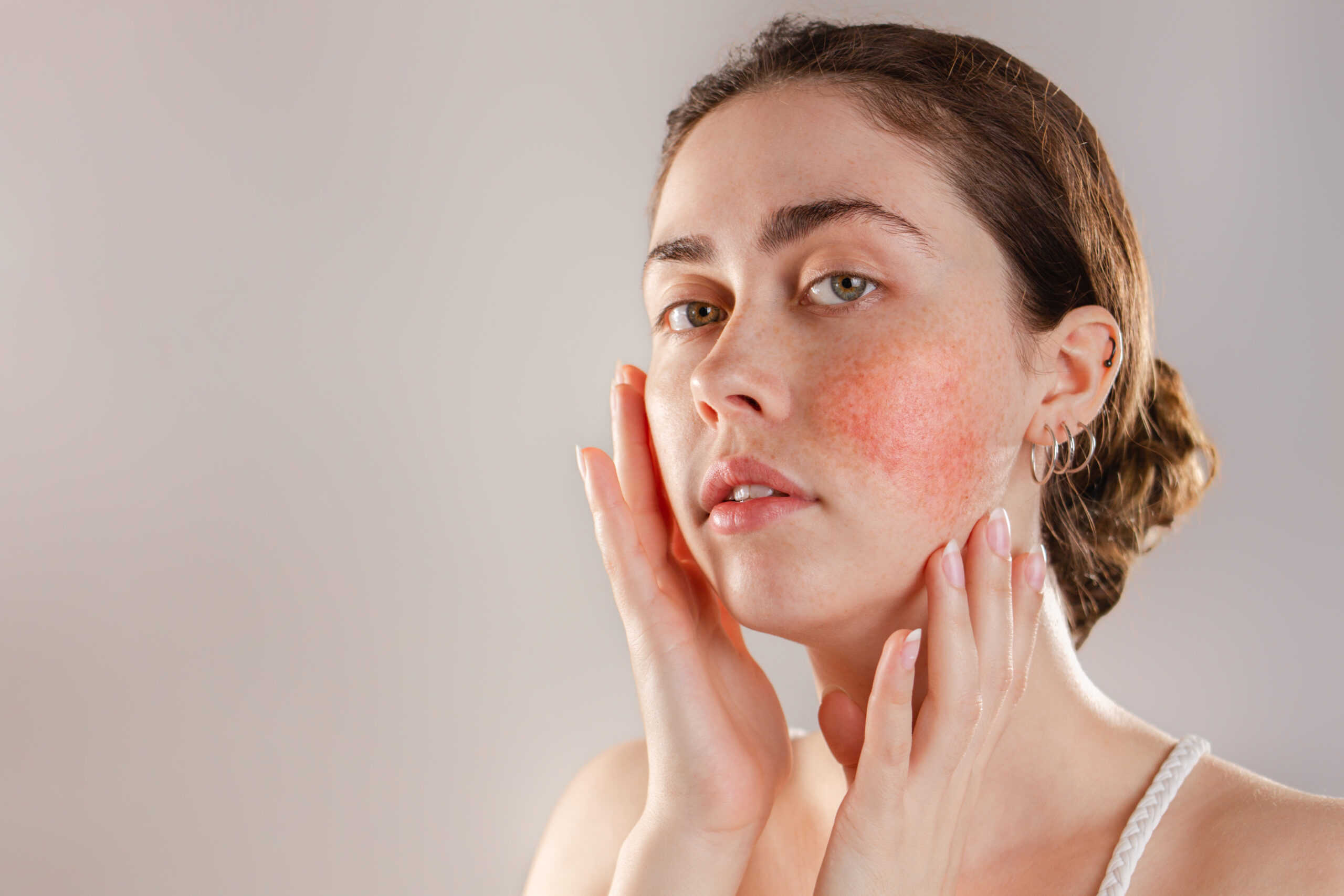
That progression is not cosmetic bad luck; it is biology plus time. As you age, blood vessels in the face become less resilient and more prone to dilating and staying dilated. Repeated flushing—whether from heat, alcohol, spicy food, or stress—acts like constant traffic on an aging bridge: microscopic damage adds up. What started as a temporary rush of blood becomes persistent erythema and, later, those fine “spider veins” dermatologists call telangiectasia.
Breakouts? Let AI guide your skincare plan.
The Aging Skin Barrier: Why Your Face Gets Touchier With Time
Skin over 45 is not the skin you had at 25. Collagen drops, natural lipids thin out, and the barrier that once shrugged off fragrances and weather starts to leak and complain. That leakiness is a major reason rosacea worsens with age. A weaker barrier lets irritants, microbes, and environmental stressors stir up your immune system more easily, fueling inflammation and flare-ups on an already reactive canvas.
Researchers and clinics such as Cleveland Clinic and AARP-backed dermatologists describe rosacea as a chronic inflammatory disease with a hair-trigger immune response. Demodex mites and the bacteria they carry may provoke that overreaction, especially in older adults whose skin and immune systems have changed. When the barrier is compromised, even “gentle” products, a sunny walk, or winter wind can trigger a flare. Conservative common sense here aligns with the science: simplify products, protect the barrier, and you reduce the fuel for the fire.
Free consultation for acne and rosacea.
From Occasional Flushing To Permanent Damage
Rosacea follows a pattern that rewards early action and punishes denial. The National Rosacea Society describes a progression from transient flushing to persistent redness, visible vessels, and acne-like bumps; about half of patients also develop eye involvement if the condition smolders unchecked. A 2000 NRS survey found that 11% of patients waited until symptoms were severe before seeking help, and those over 50 were “hardest hit” with thickening skin and more disabling symptoms.
https://www.youtube.com/watch?v=b3ArebsJ9rg
Later stages can include rhinophyma, the thick, bulbous nose most people associate with old black-and-white actors rather than inflammation. That disfigurement is now largely preventable with today’s treatments, but only if you do not treat rosacea as a vanity issue. From a conservative, common-sense perspective, ignoring a chronic condition until it damages your appearance, comfort, and sometimes vision is the exact opposite of personal responsibility. Modern medicine gives you tools; using them is on you.
How Modern Treatments Counter Age-Driven Worsening
Dermatologists emphasize that rosacea is lifelong but highly manageable with the right strategy. Current reviews from Healthline, the National Rosacea Society, and Cleveland Clinic highlight targeted topicals such as ivermectin and metronidazole, oral medications in tougher cases, and vascular lasers or intense pulsed light to shrink those stubborn surface vessels. These tools do not “cure” the condition, but they can turn a permanently flushed face back into a more even, natural tone for many patients.
Trigger control does as much heavy lifting as prescriptions. Common culprits include sun exposure, hot drinks, alcohol, spicy foods, emotional stress, and extreme temperatures, all repeatedly confirmed across senior-care and dermatology sources. For aging adults, disciplined daily sunscreen, a hat, and avoidance of known dietary triggers resemble retirement savings: small, consistent decisions that compound over time. Experts also stress gentle cleansers and moisturizers tailored to sensitive, aging skin instead of harsh scrubs or trendy acids that batter an already fragile barrier.
Smarter skin care powered by AI.
Sources:
Healthline – Does Rosacea Get Worse With Age?
National Rosacea Society – Patients Over 50 Hardest Hit With Rosacea Symptoms
AARP – Aging Skin Issues: Rosacea and Dry Skin
Home to Stay – 5 Facts About Rosacea in Elderly Adults
Cleveland Clinic – Rosacea
Los Gatos Dermatology – Is Rosacea a Lifelong Problem?
PHI Clinic – Does Rosacea Get Worse With Age?