Skin age is not just a number; our collagen factory shuts down sooner than most realize, and yet there are natural ways that promise a revival.
Story Snapshot
- Learn three crucial natural tips to restore collagen production for firmer skin.
- Discover ancient remedies backed by modern research for wrinkle reduction and improved elasticity.
- Explore why non-invasive methods are preferred over surgeries and how they fit into the $150B+ skincare industry.
- Understand the influence of key stakeholders like dermatologists and skincare brands in promoting natural solutions.
Collagen: The Silent Ageless Promise
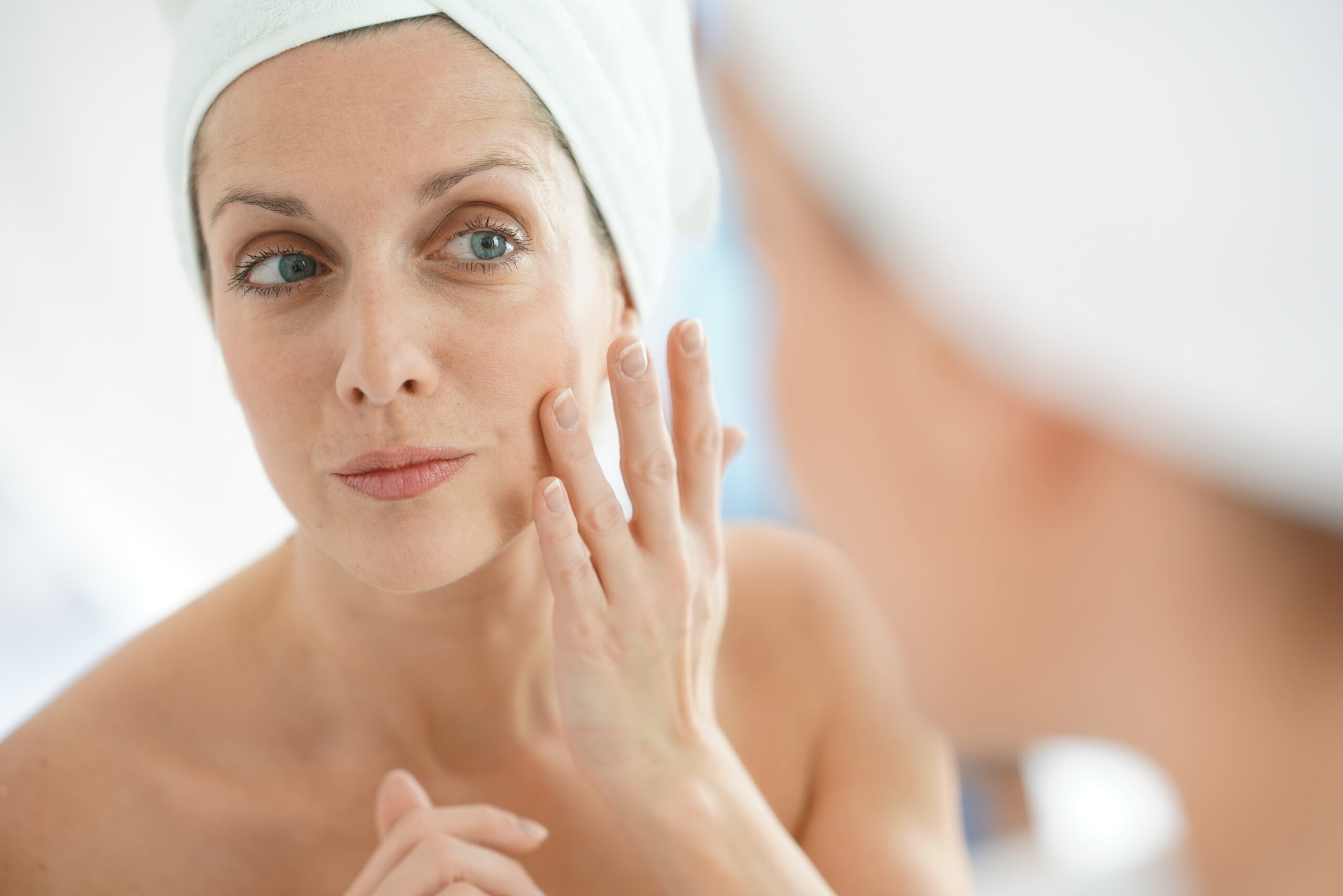
After the age of 25, our skin’s collagen production declines, a hard truth that fuels a ravenous demand for anti-aging solutions. Collagen, a structural protein, gives our skin its strength and elasticity. As production wanes, wrinkles manifest. However, timeless natural remedies offer hope. Ingredients like vitamin C and aloe vera have shown promise in scientific studies, demonstrating potential to not just slow but actively counteract this decline. Brands and clinics focus on harnessing these ingredients for their timeless qualities.
https://www.youtube.com/watch?v=Icvm2Q1ksis&vl=en
Historical remedies like ginseng and modern studies continue to affirm these findings, hinting at the intricate dance between ancient wisdom and contemporary science. Research from 2020 spotlighted ginseng’s ability to enhance skin elasticity by softening fibroblasts, key cells in collagen synthesis. This discovery reinforces the enduring legacy of ginseng, proving its worth beyond its cultural and historical significance.
Clear skin starts with a clear plan.
Navigating the Landscape of Natural Alternatives
The skincare market, a colossal force exceeding $150 billion, has seen a significant tilt toward natural solutions. As consumer preferences shift from invasive procedures to accessible, evidence-backed botanicals, options like aloe vera and vitamin C serums have found their stride. These alternatives promise not only visible improvements in skin texture but also long-term health benefits. Aloe vera’s trials, for instance, demonstrated a doubling in collagen levels over just eight weeks—a compelling testament to its efficacy.
There’s a compelling reason behind this shift. Traditional procedures like microneedling, although effective, are being scrutinized for their invasiveness. Despite its acclaim among specialists like Dr. Sam Ellis, who endorses its collagen-inducing capabilities, many consumers now seek gentler alternatives.
Smarter skin care powered by AI.
Stakeholders and Their Natural Advocacy
Backed by authoritative bodies like the American Academy of Dermatology, the push for natural methods gains momentum. These institutions emphasize a holistic approach, blending lifestyle influences with topicals to achieve desired results within two to six months. But behind the institutional voices, influencers play a pivotal role. Platforms like YouTube amplify expert opinions, spreading awareness about the efficacy of non-invasive techniques. Dr. Ellis and others demystify complex skincare dynamics, guiding audiences through the maze of collagens, elastins, and dermal rejuvenation processes.
https://www.youtube.com/watch?v=SbCR6t0aOTI
Amidst this, clinics and brands capitalize on the market’s evolution. They’re not just purveyors of products but are crucial educators, bridging the knowledge gap between consumers and dermatological breakthroughs. They rely on trials and peer-reviewed studies to support their recommendations, ensuring that their endorsements are rooted in scientific reality rather than hype.
Discover your personalized skin treatment plan.
The Future of Natural Skin Rejuvenation
With red light therapy at the forefront of ongoing research, its potential to stimulate collagen growth without surgery is exciting. While there are no earth-shattering breakthroughs yet, these emerging technologies hold promise. The quest for methods that can integrate seamlessly into daily routines is relentless. The past few years have also seen a surge in popularity for collagen peptides supplements, which show potential in atmospheric conditions where conventional treatments may fall short.
As the field progresses, the dialogue on natural versus synthetic becomes increasingly focal. Social media’s role cannot be underestimated, as it continues to democratize access to skincare wisdom—turning once-elusive secrets into well-known strategies shared across digital communities.
Sources:
Essential Dermatology Group
Medical News Today
Lotus Clinic
West Medical