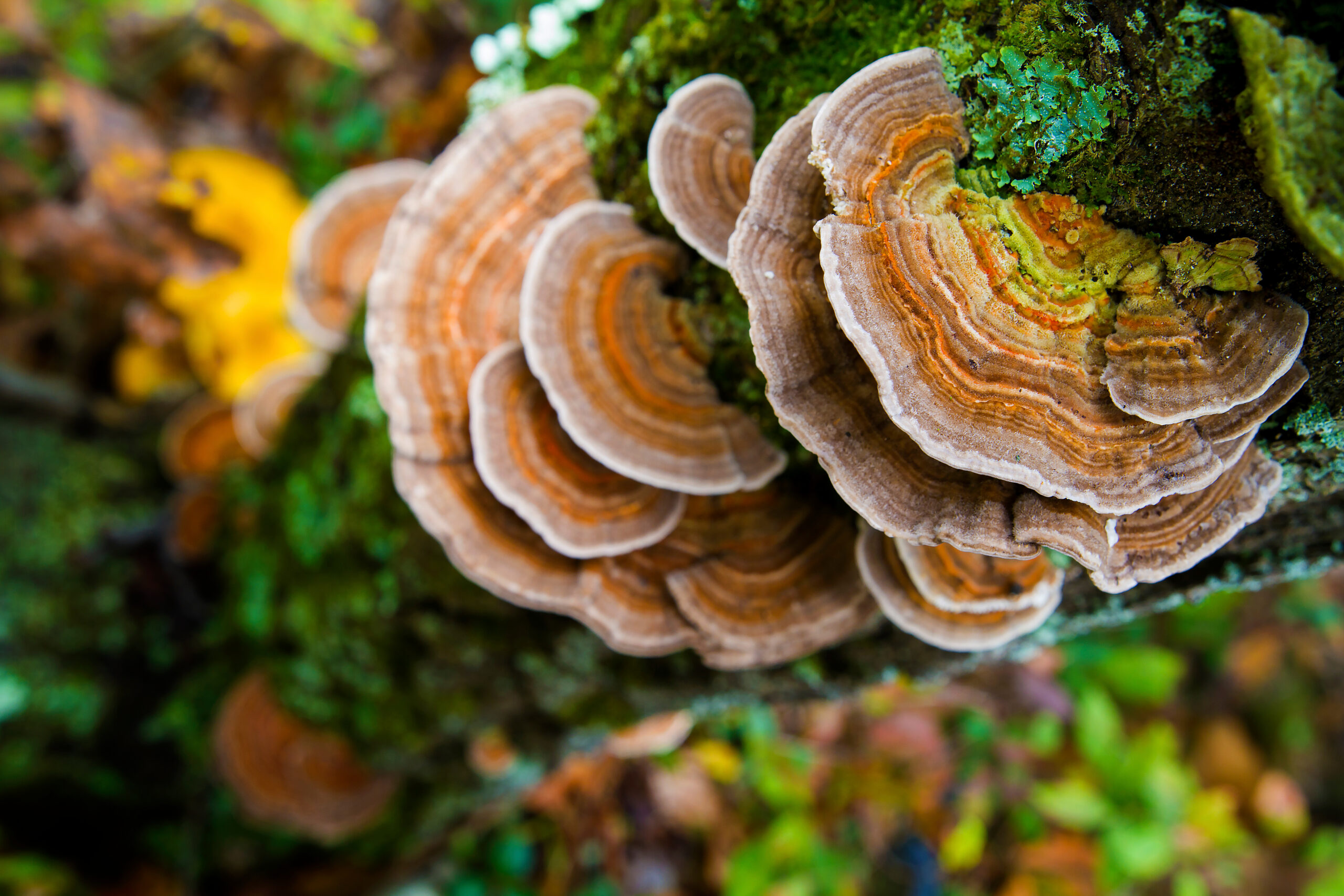
The cancer drug that’s been hiding in plain sight for centuries might be growing in your grocery store right now.
Story Highlights
- Japan approved turkey tail mushroom extract as an official cancer drug decades ago
- Meta-analysis shows 9% absolute reduction in 5-year mortality when mushroom extracts are added to standard treatment
- White button mushrooms demonstrate ability to reduce tumor-promoting immune cells in prostate cancer patients
- Major cancer centers now acknowledge modest survival benefits but warn against replacement of conventional therapy
The Japanese Cancer Secret America Ignored
While American oncologists debate whether mushrooms belong in cancer treatment, Japanese doctors have been prescribing them as approved drugs for over four decades. Polysaccharide krestin, extracted from turkey tail mushrooms, became standard adjuvant therapy for gastric, colorectal, and lung cancers in Japan during the 1980s. The Japanese weren’t following folklore—they were following data.
https://www.youtube.com/watch?v=IBA343Cg1ig&vl=en
A systematic review of 13 clinical trials involving thousands of patients revealed that adding PSK mushroom extracts to conventional therapy produced a 9% absolute reduction in five-year mortality. In practical terms, this means one additional survivor for every 11 patients treated. Meta-analysis of 8,009 gastric cancer patients across eight randomized controlled trials showed increased survival when PSK was combined with chemotherapy compared to chemotherapy alone.
Get personalized answers from your AI doctor.
The Immune System Reset That Puzzled Researchers
City of Hope researchers discovered why white button mushrooms—the ordinary variety found in every supermarket—appear to slow prostate cancer progression. The mushrooms reduce levels of myeloid-derived suppressor cells, immunosuppressive cells that tumors use to hide from the immune system. Simultaneously, they boost anti-tumor T cells and natural killer cells, essentially resetting the immune balance in favor of cancer surveillance.
https://www.youtube.com/watch?v=XwL8LBSk4Zk
This mechanism explains why mushroom extracts work best as adjuvants rather than standalone treatments. They don’t directly attack cancer cells—they remove the biological brakes that prevent the immune system from doing its job. Phase 2 trial participants showed fewer tumor-promoting immune cells and more cancer-fighting cells after three months of white button mushroom supplementation.
Not sure where to start? Ask the AI doctor about your symptoms.
Why American Oncologists Remain Skeptical
Despite decades of Asian clinical data, major American cancer centers maintain cautious positions. Memorial Sloan Kettering notes that no mushroom supplement has FDA approval as cancer treatment. Cancer Research UK states there’s no evidence mushrooms can prevent or cure cancer, while acknowledging immune system strengthening effects. The disconnect stems from regulatory differences—what’s an approved drug in Japan remains an unregulated supplement in America.
The evidence quality varies dramatically by mushroom type and extraction method. Turkey tail extracts demonstrate the strongest clinical data, followed by reishi, shiitake-derived compounds, and maitake. However, American supplement markets flood consumers with unstandardized products making unsupported claims, creating skepticism among oncologists who witness patients delaying effective treatment while chasing miracle cures.
Clear answers for common health questions start now.
Sources:
VA Whole Health Library – Mycomedicinals: Mushrooms for Cancer
Ecancer – Researchers discover why taking a mushroom supplement slows or prevents prostate cancer from getting worse
Cancer Research UK – Mushrooms in cancer treatment
UCLA Health – Turkey tail mushrooms act as nonspecific immune modulators
PMC Article – Medicinal mushrooms research
Memorial Sloan Kettering – Do mushroom supplements boost immunity against cancer
Kaiser Permanente – Medicinal Mushrooms PDQ