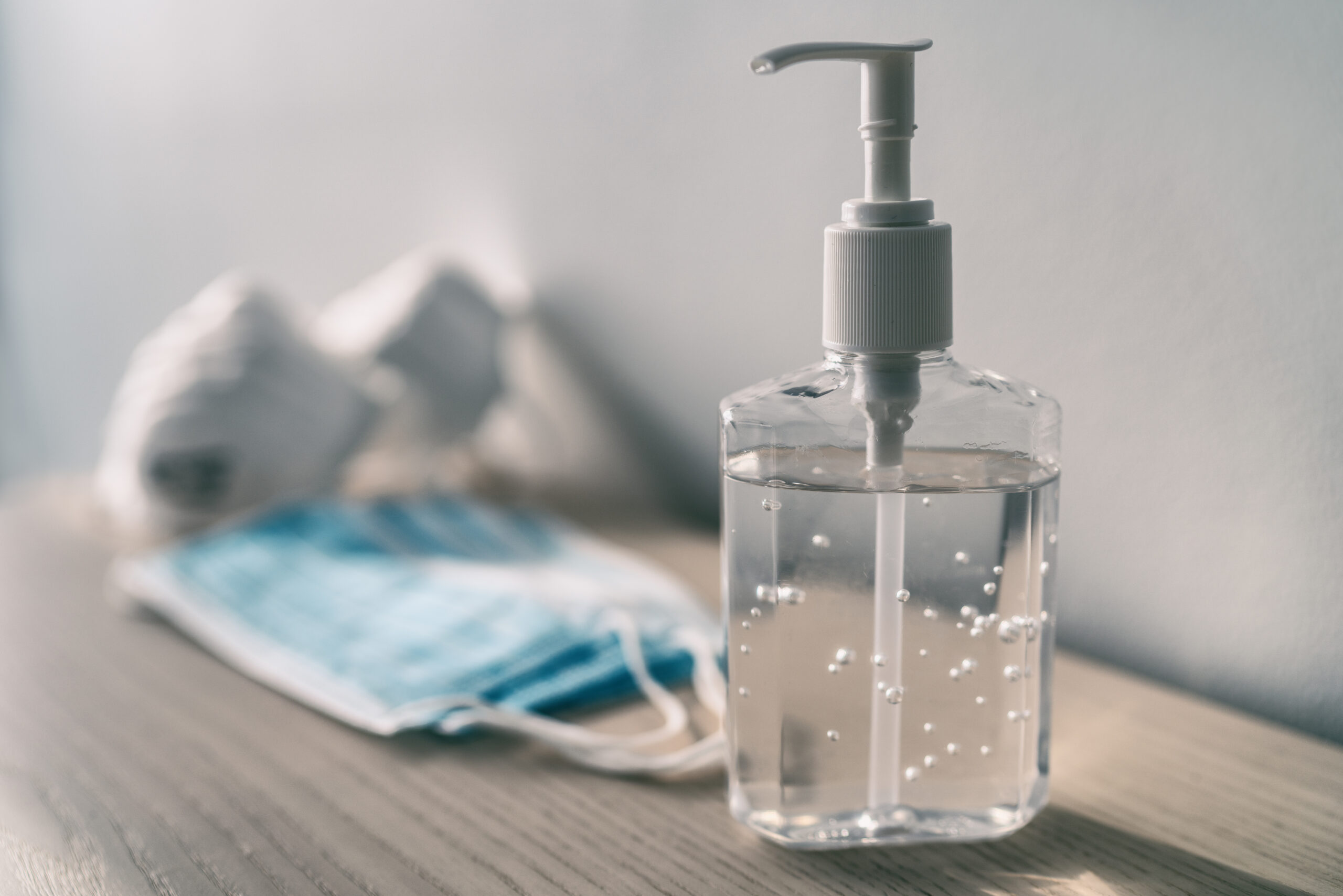
The hand sanitizer industry has been deceiving consumers for decades, with infectious disease specialists finally revealing that alcohol-based sanitizers are actually more effective than soap and water in most situations.
Story Highlights
- Alcohol-based hand sanitizers outperform soap and water for germ elimination in most circumstances
- The CDC recommends sanitizers over soap except when hands are visibly dirty or contaminated with spores
- Proper technique matters more than product choice – most people fail at basic hand hygiene
- Antibacterial soaps offer no advantage over plain soap and may contribute to resistance
- Healthcare facilities save billions annually by prioritizing sanitizer accessibility over traditional handwashing
The Great Hand Hygiene Reversal
For generations, mothers commanded children to wash with soap and water, but infectious disease specialists have turned conventional wisdom upside down. The CDC now explicitly recommends alcohol-based hand sanitizers over traditional handwashing for most situations, citing superior germ elimination and user compliance. This revelation challenges decades of public health messaging that positioned soap as the gold standard.
https://www.youtube.com/watch?v=uGmMDC-4IMY
The shift stems from mounting evidence that alcohol-based sanitizers remove germs more effectively than soap while proving gentler on skin. Healthcare workers, who perform hand hygiene hundreds of times daily, demonstrate significantly better compliance with sanitizers than soap stations. The implications extend far beyond hospitals into schools, offices, and homes where consistent hand hygiene prevents illness transmission.
Got a health question? Ask our AI doctor instantly, it’s free.
When Soap Still Wins the Battle
Infectious disease specialists maintain soap and water superiority in specific scenarios that reveal sanitizer limitations. Visibly soiled hands require physical removal of dirt and debris that alcohol cannot penetrate. Spore-forming bacteria like C. difficile resist alcohol-based products, demanding soap’s mechanical action for effective elimination. These exceptions highlight why expert recommendations focus on situational awareness rather than blanket rules.
The Mayo Clinic emphasizes that plain soap performs identically to antibacterial formulations, debunking marketing claims that drive consumer spending toward expensive specialty products. Triclosan-containing soaps, once promoted as superior germ-killers, now face scrutiny for contributing to antibiotic resistance without providing measurable benefits over conventional alternatives.
Not sure where to start? Ask the AI doctor about your symptoms.
The Technique That Changes Everything
Most Americans perform hand hygiene incorrectly, rendering product debates meaningless without proper technique. Alcohol-based sanitizers require 20 seconds of vigorous rubbing until completely dry, covering all hand surfaces including fingertips, thumbs, and between fingers. Soap demands 15-20 seconds of mechanical friction with warm water, followed by thorough rinsing and complete drying.
https://www.youtube.com/watch?v=I5-dI74zxPg
Healthcare facilities document dramatic infection reductions when workers receive technique training rather than simply access to products. The WHO’s “Five Moments for Hand Hygiene” framework identifies critical timing: before patient contact, before aseptic procedures, after body fluid exposure, after patient contact, and after touching patient surroundings. These principles translate directly to civilian settings for maximum protection.
Get fast, reliable health advice from your AI doctor now.
The Economic Reality Behind Expert Recommendations
Healthcare-associated infections cost the United States over $30 billion annually, driving institutional focus on hand hygiene compliance rather than product preferences. Facilities achieve higher compliance rates with conveniently placed sanitizer dispensers than remote handwashing stations, translating directly into reduced infection rates and healthcare costs. This economic pressure influences expert recommendations toward practical solutions over theoretical ideals.
The Society for Healthcare Epidemiology of America explicitly opposes sanitizer bans in healthcare settings, citing overwhelming evidence for their effectiveness and practicality. Their position reflects real-world implementation challenges where perfect adherence to handwashing protocols proves impossible, while sanitizer accessibility enables consistent compliance among busy healthcare workers.
Sources:
CDC Clinical Safety: Hand Hygiene for Healthcare Workers
NCBI Hand Hygiene Guidelines
Mayo Clinic Hand Washing Guidelines
SHEA Hand Hygiene Prevention Guidelines
National Foundation for Infectious Diseases Hand Hygiene
APIC Hand Hygiene Resources
Hollywood Presbyterian Hand Hygiene Guidelines