A growing body of clinical research reveals that specific foods and nutrients can significantly reduce depression and anxiety symptoms, challenging the conventional reliance on pharmaceuticals alone.
Key Points
- Consuming 7+ cups of sugar-sweetened beverages weekly increases depression risk nearly fivefold
- Mediterranean-style diets with omega-3 rich foods demonstrate clinically significant improvements in mood disorders
- Dietary fiber intake directly correlates with reduced anxiety, with scores dropping 2.3 points per additional percent of energy from fiber
- International mental health consortiums now recommend nutritional psychiatry as routine clinical practice
The Sugar-Depression Connection That Industry Doesn’t Want You to Know
Recent analysis published in Frontiers in Nutrition delivers a devastating blow to the beverage industry’s health claims. Researchers found that consuming seven or more cups of sugar-sweetened beverages weekly correlates with nearly five times higher depression risk compared to minimal consumption. This finding aligns with mounting evidence that high-fructose corn syrup and processed sugars trigger inflammatory pathways that directly impact brain chemistry and mood regulation.
https://www.youtube.com/watch?v=dj_HVdNEMaY
The mechanism involves more than simple blood sugar spikes. Sugar-sweetened beverages create a cascade of metabolic dysfunction, including chronic inflammation, gut microbiome disruption, and interference with neurotransmitter production. These beverages essentially hijack the brain’s reward system while simultaneously undermining the very neurochemical processes required for stable mood and emotional resilience.
Tired of diets that don’t work? Get a personalized plan in minutes.
Mediterranean Diet Outperforms Social Support in Clinical Trials
The landmark SMILES trial shattered assumptions about dietary interventions in mental health treatment. Adults with major depression who received dietary support for a modified Mediterranean diet showed significantly greater improvements in depression and anxiety scores compared to those receiving social support alone. This wasn’t marginal improvement but clinically meaningful change that rivals pharmaceutical interventions.
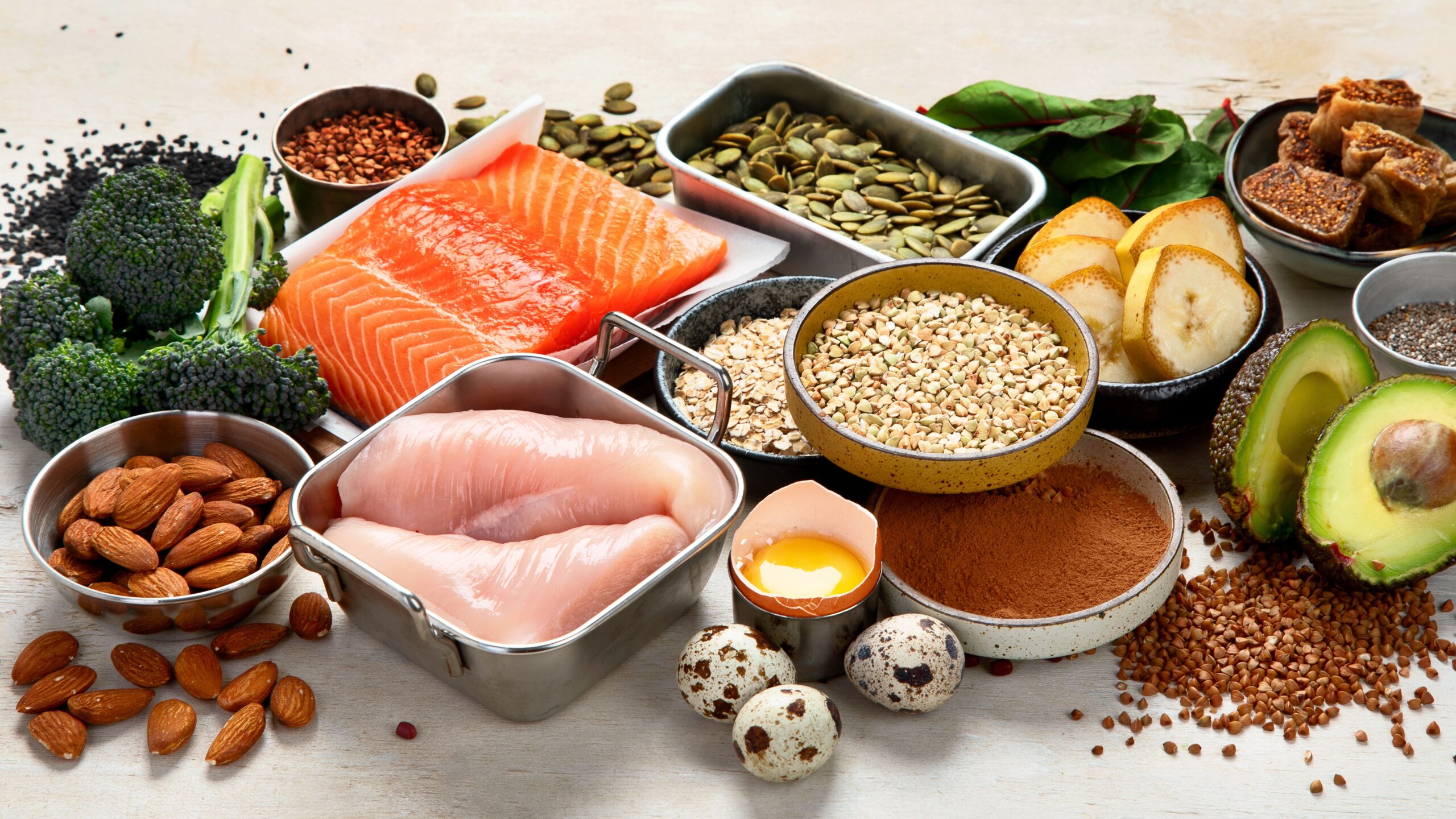
The Mediterranean approach emphasizes omega-3 rich seafood, leafy greens, nuts, olive oil, and whole grains while minimizing processed foods. This combination delivers what researchers identified as twelve key antidepressant nutrients: folate, iron, long-chain omega-3s, magnesium, potassium, selenium, thiamine, and vitamins A, B6, B12, C, plus zinc. These nutrients work synergistically to support neurotransmitter synthesis, reduce inflammation, and enhance brain plasticity.
Struggling to lose weight? Try our AI doctor for GLP 1 options.
Fiber Emerges as Unexpected Anxiety Fighter
Dietary fiber’s role in anxiety reduction represents one of the most surprising developments in nutritional psychiatry. For every additional percent of daily energy derived from fiber, anxiety scores decrease by approximately 2.3 points. This correlation suggests that fiber’s impact on the gut-brain axis extends far beyond digestive health into the realm of emotional regulation and stress response.
https://www.youtube.com/watch?v=oPoSU8KpN-4
The mechanism involves fiber’s role in producing short-chain fatty acids through gut bacteria fermentation. These metabolites cross the blood-brain barrier and influence neurotransmitter production, particularly GABA, which serves as the brain’s primary inhibitory neurotransmitter. Higher fiber intake also stabilizes blood sugar, preventing the mood swings associated with glucose fluctuations that can trigger anxiety episodes.
Professional Guidelines Shift Toward Food-First Approach
Mental health professional organizations have begun incorporating nutritional psychiatry into standard practice recommendations. The American Psychological Association now acknowledges growing evidence that healthy foods and micronutrients foster better mental health, while poor-quality diets diminish psychological well-being. This represents a fundamental shift from viewing nutrition as peripheral to mental health treatment.
International consortiums of mental health and nutrition researchers have gone further, recommending that nutritional assessment and counseling become routine components of psychiatric care. The first formal nutritional guidelines for depression prevention explicitly recommend traditional Mediterranean dietary patterns, adequate omega-3 intake, and avoidance of highly processed, high-sugar foods and beverages. These guidelines position diet as an evidence-based adjunct rather than alternative to conventional treatment.
Safe science based weight loss no guesswork.
Sources:
Antidepressant foods: An evidence-based nutrient profiling system for depression
Association between dietary components and depression and anxiety
Nutrition and behavioral health disorders: depression and anxiety
Nutrition for mental health and depression