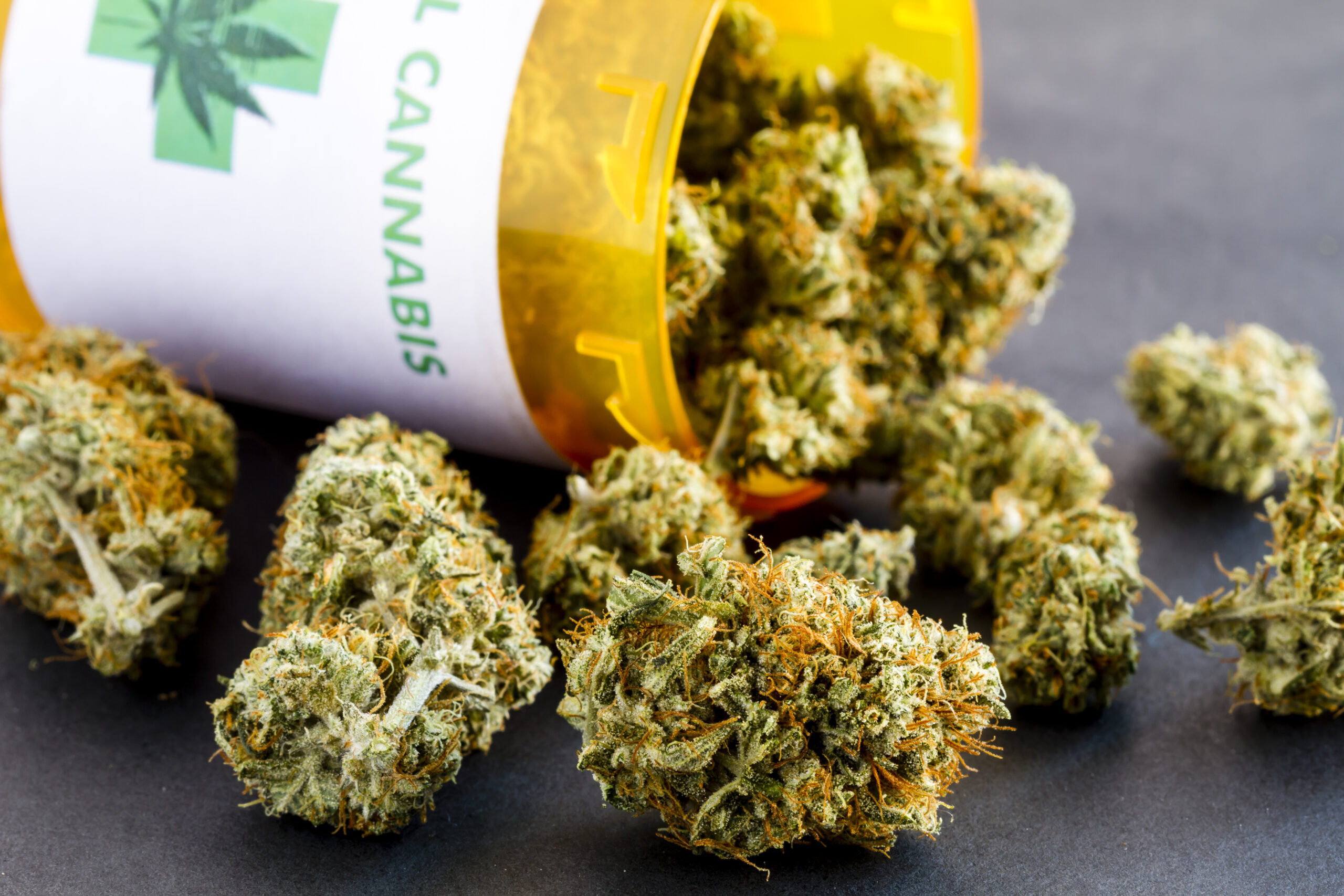
The most hyped pain treatment in decades shows promise, but the shocking truth about medical cannabis might leave millions of chronic pain sufferers questioning everything they’ve been told.
Key Points
- Medical cannabis provides modest pain relief for specific conditions but falls short of the miracle cure reputation
- 58% of patients discontinue treatment within one year due to side effects or ineffectiveness
- Yale researchers identify non-psychoactive alternatives that may offer safer relief than THC-dominant products
- Government funding surge in 2025 aims to separate cannabis facts from marketing fiction
The Uncomfortable Reality Behind Cannabis Pain Relief
Medical cannabis delivers meaningful pain reduction for only specific conditions, primarily neuropathic pain, while proving largely ineffective for widespread issues like fibromyalgia and osteoarthritis. Recent systematic reviews reveal that patients using THC-rich products experience modest improvements, with roughly 30% achieving clinically significant pain reduction. However, the number needed to treat stands at 24 patients, meaning 23 people won’t benefit for every one who does.
https://www.youtube.com/watch?v=3faTtJL76PI
The side effect profile tells an equally sobering story. Dizziness, fatigue, and cognitive impairment affect 81% of cannabis users compared to 66% taking placebos. These adverse effects contribute to staggering discontinuation rates, with nearly six out of ten patients abandoning treatment within twelve months.
Got a health question? Ask our AI doctor instantly, it’s free.
Breaking Through the CBD Marketing Myth
The CBD industry’s marketing machine has created widespread misconceptions about cannabidiol’s pain-fighting capabilities. December 2025 research from the American College of Physicians definitively shows that CBD-only products provide no meaningful pain relief for chronic conditions. This finding devastates the billion-dollar CBD market’s core claims and exposes the gap between consumer expectations and clinical reality.
THC-dominant formulations demonstrate superior efficacy, particularly for nerve-related pain conditions like diabetic neuropathy and multiple sclerosis. The optimal THC-to-CBD ratio appears crucial, with higher THC concentrations yielding better results despite increased psychoactive side effects. This creates a therapeutic dilemma: effective pain relief often comes with impairment that many patients find unacceptable.
Not sure where to start? Ask the AI doctor about your symptoms.
Yale’s Game-Changing Discovery
January 2025 breakthrough research from Yale University identified cannabigerol (CBG) as the most promising non-psychoactive option for pain management. Unlike THC and CBD, CBG directly inhibits pain-signaling proteins in peripheral tissues without affecting brain function. This discovery represents the holy grail of cannabis therapeutics: effective relief without cognitive impairment or addiction risk.
https://www.youtube.com/watch?v=2PaoLm_-AqQ
Lead researcher Mohammad-Reza Ghovanloo’s team found CBG superior to established cannabinoids in laboratory testing, suggesting a new generation of cannabis-based medicines may emerge. The compound targets pain at its source rather than masking symptoms through central nervous system effects, potentially revolutionizing how we approach chronic pain treatment.
Get fast, reliable health advice from your AI doctor now.
The Opioid Alternative That Isn’t Quite Ready
Despite cannabis advocates positioning it as the solution to America’s opioid crisis, clinical evidence suggests a more nuanced reality. While 64% of medical cannabis users report reducing opioid consumption, the magnitude of pain relief remains modest compared to traditional medications. The therapeutic window appears narrow, with effective doses often producing unwanted psychoactive effects.
Presidential action in December 2025 allocated significant federal funding for cannabis research, acknowledging that one in four American adults suffers from chronic pain. This government investment signals recognition that current treatment options remain inadequate, but also highlights how much we still don’t know about cannabis therapeutics after decades of prohibition-limited research.
Sources:
The Evidence for Medical Cannabis in Chronic Musculoskeletal Pain Management
Medical Cannabis for Chronic Pain: A Systematic Review
Cannabinoids Offer New Hope for Safe and Effective Pain Relief
American College of Physicians Cannabis Review
White House Medical Marijuana Research Initiative