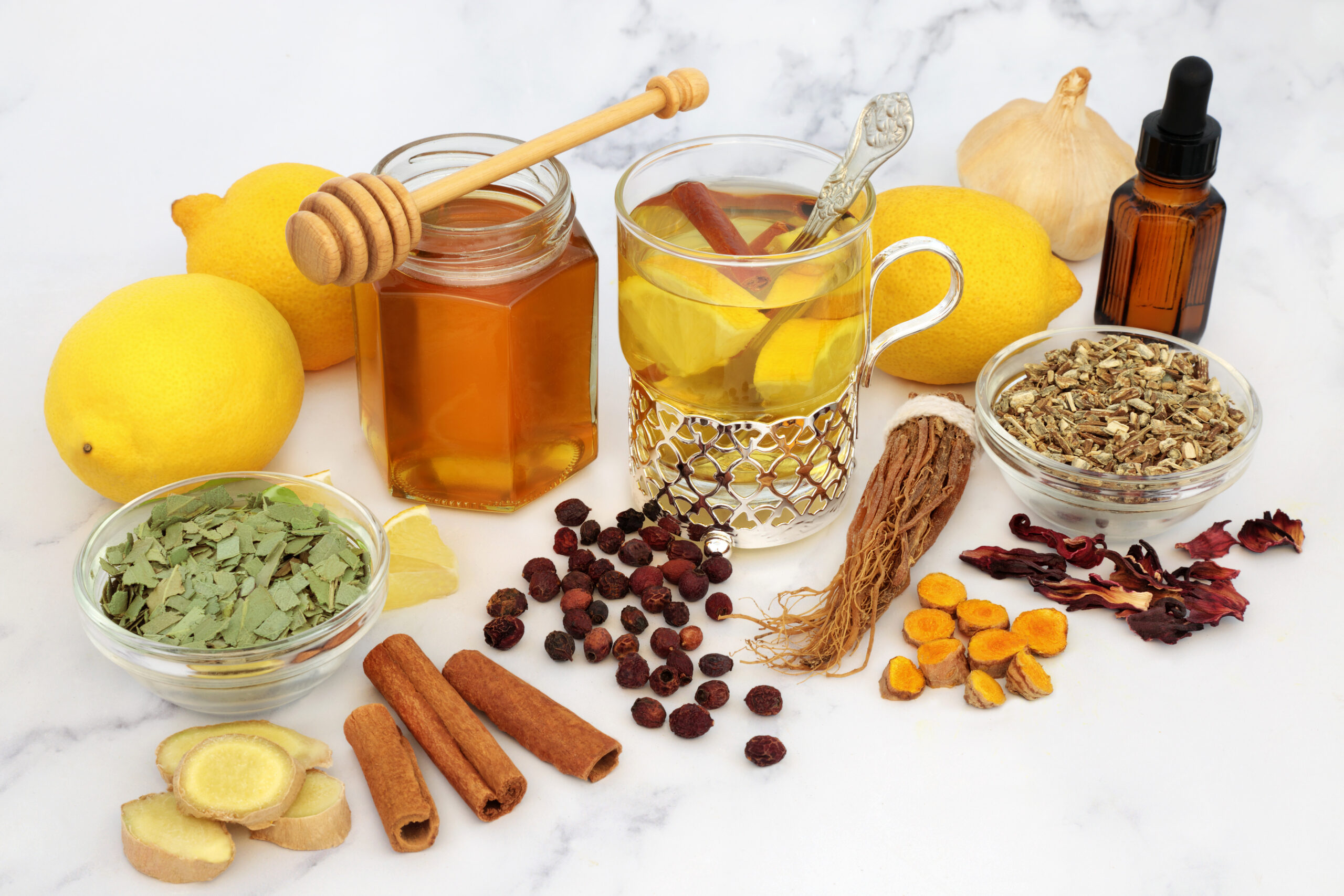
Three common kitchen spices could hold the key to protecting your brain from the devastating effects of aging, according to groundbreaking research that challenges everything we thought we knew about preventing cognitive decline.
Story Highlights
- Cinnamon, turmeric (curcumin), and ginger show powerful neuroprotective effects in recent meta-analyses
- These spices work by blocking inflammatory molecules, preventing amyloid plaques, and reducing brain oxidative stress
- Research reveals specific cognitive improvements including enhanced memory and processing speed
- Human studies remain limited despite promising animal research, raising questions about optimal dosages
The Science Behind Spice-Powered Brain Protection
Meta-analyses examining over 40 studies reveal that cinnamon’s active compound, cinnamaldehyde, directly inhibits the formation of amyloid plaques—the hallmark brain tangles associated with Alzheimer’s disease. Meanwhile, curcumin from turmeric enhances BDNF (brain-derived neurotrophic factor), a protein crucial for memory formation and neural survival. Ginger rounds out this triumvirate by reducing oxidative stress and blocking NF-kB, a pro-inflammatory molecule that accelerates brain aging.
https://www.youtube.com/watch?v=08xea9c-67M
The research represents a shift from traditional pharmaceutical approaches to accessible dietary interventions. With global dementia cases projected to triple by 2050 and treatments like lecanemab costing tens of thousands annually with significant side effects, these everyday spices offer hope for millions seeking affordable brain protection strategies.
Tired of diets that don’t work? Get a personalized plan in minutes.
Cinnamon: The Memory-Boosting Powerhouse
A comprehensive 2024 meta-analysis in Nutritional Neuroscience examined 40 cinnamon studies, revealing significant improvements in learning and memory across animal models. The spice demonstrates remarkable ability to prevent tau aggregation—another Alzheimer’s marker—while boosting blood flow to critical brain regions. However, nutrition expert Molly Rapozo from Pacific Neuroscience Institute cautions that only two human studies exist, with mixed results.
The discrepancy between animal and human studies highlights a crucial challenge: dosage and form variations create wildly different outcomes. One study using cinnamon gum showed cognitive benefits in adolescents, while oral cinnamon intake produced neutral results. Researchers suspect the key lies in finding optimal combinations and delivery methods rather than isolated compounds.
Reach your goals with AI guided medical insight.
Turmeric’s Curcumin: Working Memory Enhancement
Curcumin research presents perhaps the most robust evidence for cognitive enhancement, with 25 animal studies and 10 human trials analyzed in recent PMC publications. Animal models consistently show dramatic memory improvements, with effect sizes reaching -1.78 for acquisition memory tasks. The compound works by crossing the blood-brain barrier and directly modulating inflammatory pathways while promoting new neural connections.
https://www.youtube.com/watch?v=6UgM-zrrpZA
Human studies reveal more nuanced benefits, particularly in working memory and processing speed domains. Participants taking curcumin supplements demonstrated measurable improvements in these specific cognitive areas, though global cognitive function remained unchanged. Researchers note higher adverse events in curcumin groups, primarily gastrointestinal issues, suggesting careful dosing protocols are essential for safe long-term use.
Safe science based weight loss no guesswork.
Ginger: The Emerging Neuroprotector
Recent 2024 research published in Food Frontiers reveals ginger’s potential for dementia prevention through novel biomarkers. A study of elderly Chinese participants found those consuming regular ginger showed significantly lower levels of NfL (neurofilament light chain) in blood plasma—a marker indicating active brain cell damage. This discovery suggests ginger may prevent neurodegeneration before symptoms appear.
Ginger’s neuroprotective mechanisms extend beyond inflammation reduction to include powerful antioxidant effects that neutralize free radicals attacking brain tissue. However, the spice carries bleeding risks for individuals on anticoagulant medications, and optimal dosing for cognitive benefits remains unclear. Current evidence suggests moderate culinary use provides benefits without significant adverse effects for most adults.
Sources:
Pacific Neuroscience Institute – Cinnamon and Cognitive Health Research
PMC – Curcumin Meta-Analysis for Cognitive Function
Amen Clinics – Herbs and Spices That Fight Memory Loss
Food Frontiers – Ginger and Dementia Prevention Study