The same fiber that helps you feel full after breakfast could slash your cholesterol levels by double digits without touching a single prescription pill.
Story Overview
- Soluble fiber intake of 30 grams daily can lower LDL cholesterol by 4-12% within weeks
- Plant sterols found in fortified foods reduce cholesterol absorption in the gut by up to 12%
- Recent 2023 studies reveal most supplements fail to match even low-dose statin effectiveness
- Simple dietary swaps like oats, beans, and psyllium offer measurable heart benefits without side effects
The Fiber Revolution Your Gut Didn’t Know It Needed
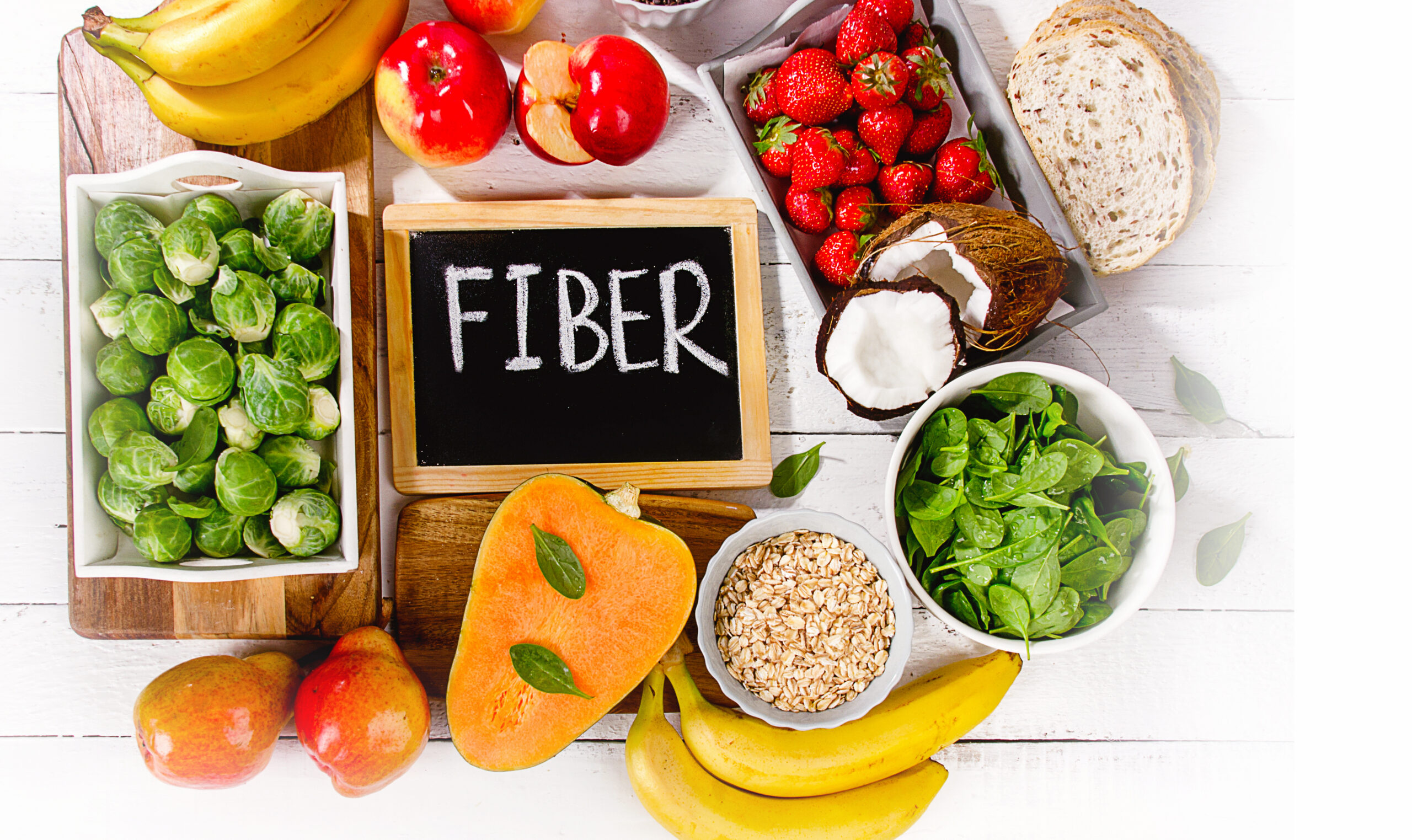
Soluble fiber works like a microscopic sponge in your digestive system, binding to cholesterol particles before they enter your bloodstream. Dr. Leslie Cho from Cleveland Clinic recommends targeting 30 grams of soluble fiber daily, with specific focus on beta-glucans found in oats. Just 3.5 grams of beta-glucans can reduce LDL cholesterol by 4.2%. The mechanism is straightforward: fiber traps bile acids containing cholesterol, forcing your liver to use existing cholesterol stores to produce new bile.
https://www.youtube.com/watch?v=t0g6xg_GfAY
Psyllium husk emerges as a powerhouse option, requiring only 2 grams daily for measurable results. Ground flaxseed provides dual benefits through fiber and omega-3 fatty acids. Dr. Gindi from Henry Ford Health emphasizes incorporating beans, lentils, and barley as practical sources that most Americans severely underestimate. The average American consumes merely 15 grams of total fiber daily, falling short of the 25-35 gram recommendation.
Tired of diets that don’t work? Get a personalized plan in minutes.
Plant Sterols: Nature’s Cholesterol Blockers
Plant sterols structurally mimic cholesterol molecules, creating competition at absorption sites in your small intestine. This biological hijacking reduces cholesterol absorption by 6-12% when consuming 2 grams daily. Fortified margarines, yogurts, and orange juices provide convenient delivery systems. The British Heart Foundation validates this approach through analysis of 124 studies conducted since the 1990s, establishing plant sterols as one of the most reliable natural interventions.
Unlike supplements with inconsistent results, sterol-fortified foods undergo strict manufacturing standards. The European Union has endorsed sterol products since 2010, requiring clear labeling for effectiveness claims. However, timing matters significantly. Sterols work best when consumed with meals containing dietary fats, maximizing their interference with cholesterol absorption mechanisms during active digestion periods.
Reach your goals with AI guided medical insight.
The Omega-3 and Healthy Fat Connection
Fatty fish consumption twice weekly provides EPA and DHA omega-3s that reduce inflammation and support HDL cholesterol production. Salmon, mackerel, and sardines offer the highest concentrations, while plant-based alternatives like chia seeds and walnuts provide ALA omega-3s. Dr. Cho specifically dismisses garlic supplements despite minor benefits shown in small studies, emphasizing that evidence-based approaches focus on proven dietary fats rather than trendy supplements.
https://www.youtube.com/watch?v=euSd9bsFwxc
Monounsaturated fats from olive oil, avocados, and nuts replace harmful saturated fats without triggering LDL spikes. The Mediterranean diet model demonstrates sustained cholesterol improvements through this fat substitution strategy. Replacing just 5% of saturated fat calories with polyunsaturated alternatives can reduce heart disease risk by 10%, according to American Heart Association data.
Safe science based weight loss no guesswork.
Reality Check: When Natural Methods Hit Their Limits
A sobering 2023 trial revealed that popular supplements including plant sterols, red yeast rice, and bergamot failed to match even low-dose statin effectiveness in head-to-head comparisons. The National Center for Complementary and Integrative Health warns that supplement marketing often overpromises results based on limited evidence. Many products show benefits only in small, short-term studies that don’t translate to real-world outcomes.
This doesn’t invalidate natural approaches entirely, but establishes realistic expectations. Dietary changes require 8-12 weeks for measurable impact and work best for individuals with mild to moderate cholesterol elevation. Severe cases above 240 mg/dL typically need pharmaceutical intervention alongside lifestyle modifications. The key lies in understanding natural methods as first-line defense rather than miracle cures, supported by consistent implementation rather than sporadic efforts.
Sources:
Cleveland Clinic – How to Lower Your Cholesterol with Dr. Leslie Cho
Henry Ford Health – Expert Recommended Advice For How To Lower Your Cholesterol Naturally
British Heart Foundation – Cholesterol Lowering Alternatives
MedlinePlus – How to Lower Cholesterol with Diet
NCCIH – High Cholesterol and Natural Products Science
American Heart Association – How to Control Cholesterol Fact Sheet