Eating the wrong food after 5 p.m. could turn your evening into a night of digestive misery, trapping you in discomfort until morning.
Story Snapshot
- Experts list processed foods, fried items, and dairy as top constipation aggravators due to low fiber and high fat.
- The “after 5 p.m.” cutoff lacks scientific backing; general avoidance anytime works best.
- Fiber intake of 25-38g daily, paired with water, prevents hard stools in most adults.
- Switching diets reduces constipation risk by 30-50% long-term, cutting laxative reliance.
Constipation Affects 16% of U.S. Adults
Constipation strikes when bowels move fewer than three times weekly, producing hard stools. Low-fiber diets, dehydration, and inactivity cause most cases. Post-WWII processed foods dropped average fiber intake sharply. Health bodies like NIDDK trace solutions to 1970s research by Burkitt, confirming fiber bulks and softens waste. Canada’s Food Guide and U.S. guidelines push 25-38g daily since the 1990s. Elderly and low-income groups suffer most from cheap processed options.
https://www.youtube.com/watch?v=VESQbm8SGpI
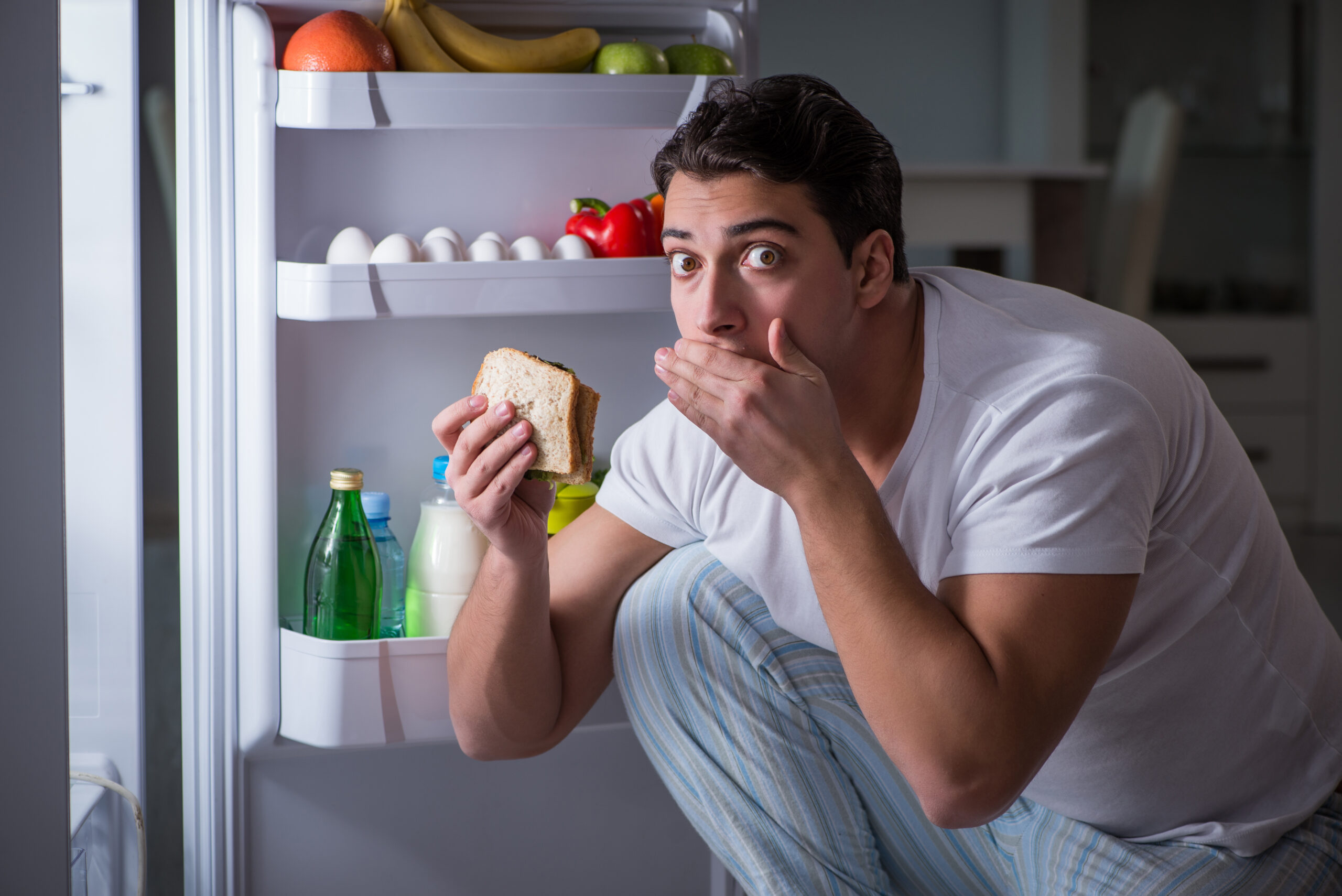
Affects one in six adults, worsening with age and lactose issues. Evening meals matter because digestion slows overnight, but no study pins exactly 5 p.m. Common sense favors fiber-rich dinners over junk to avoid morning backups.
Struggling to lose weight? Try our AI doctor for GLP 1 options.
Processed Foods Top the Avoidance List
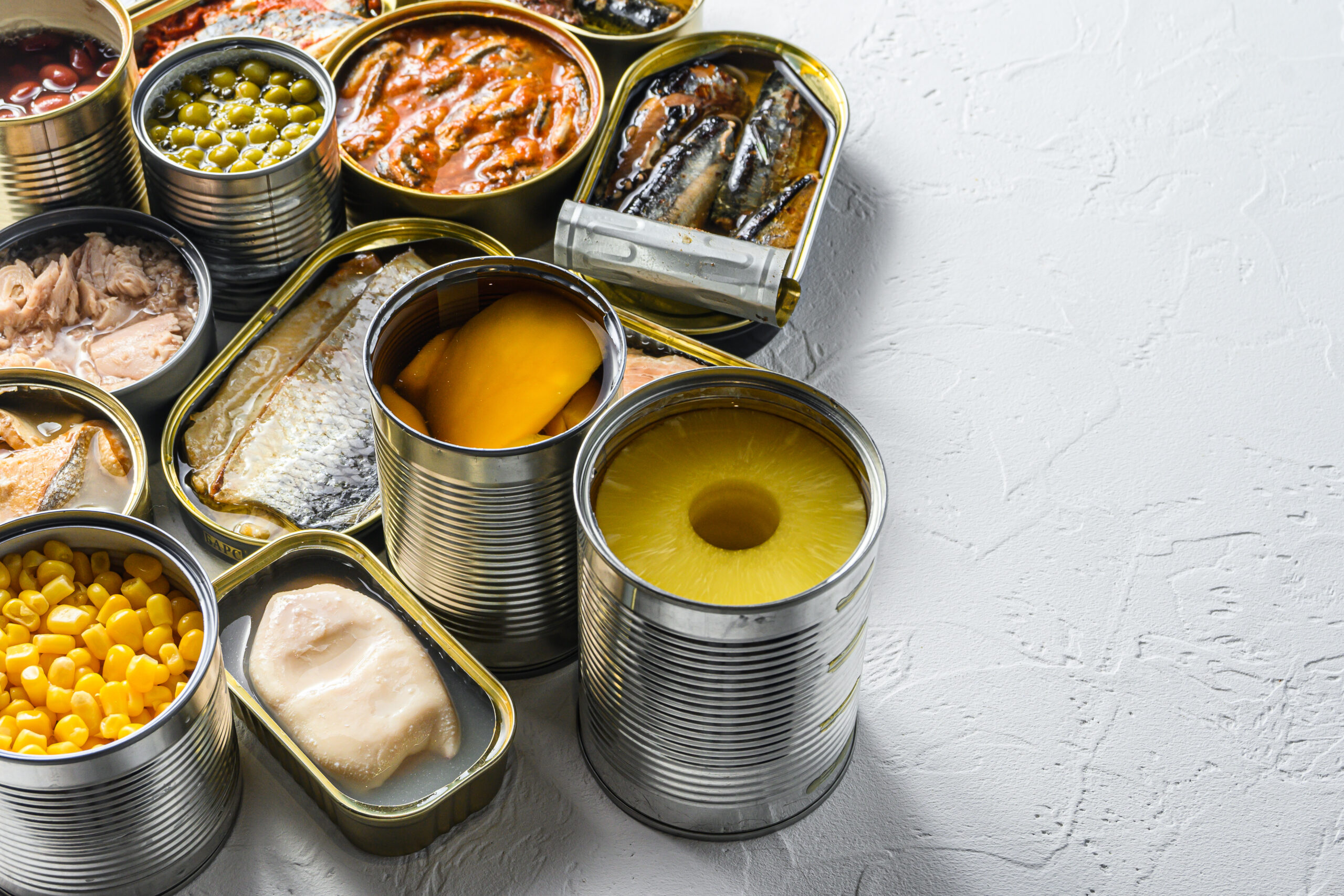
Chips, fast food, and deli meats lead expert warnings. These lack fiber, slowing gut transit. CDHF identifies them as primary culprits, binding stools tightly. NIDDK echoes this, noting fast food’s role in dehydration via low water content. Dietitians urge skipping them entirely during constipation bouts. Replace with whole grains or legumes for quick relief. Abrupt changes risk bloating, so add 5-10g fiber weekly.
High-sodium frozen meals dehydrate further, trapping water in tissues instead of bowels. Clinics like LocalMD rank these highest for patient flare-ups. Conservative eating prioritizes real food over convenience; facts align perfectly here.
Start your free GLP 1 eligibility check today.
Fried and Fatty Foods Stall Digestion
French fries and fatty meats demand heavy bile production, delaying emptying. RB Gastro lists fried items as worst offenders, citing fat’s binding effect on stools. Academy of Nutrition and Dietetics agrees refined oils hinder motility. Red meats like bacon and sausage compound issues without fiber balance. Experts recommend lean proteins and veggies post-5 p.m. to keep things moving smoothly.
https://www.youtube.com/watch?v=ZwvbPYz82AE
Short-term skips soften stools in days; long-term cuts colorectal risks. Processed meat debates persist, but moderation fails without offsetting fiber—common sense demands caution.
Get weight loss support with zero judgment.
Refined Grains and Dairy Add Risks
White bread and pasta strip fiber during refining, compacting waste. Eatright.org flags them for constipation-prone diets. Dairy poses problems for the intolerant; full-fat versions bind stools per CDHF. Not all need to quit milk, but swap for low-fat or plant alternatives if symptoms hit. Pair any fiber with 1-2oz water per gram to maximize benefits.
Probiotics in kefir aid frequency, per recent emphases. “5 p.m.” hype ignores this; timeless rules from NIDDK hold stronger. American values favor self-reliant health via diet over pills—evidence supports it firmly.
Sources:
https://cdhf.ca/en/top-4-food-and-drinks-to-avoid-when-constipated/
https://www.localmd.nyc/7-foods-to-avoid-for-constipation-relief
https://www.eatright.org/health/health-conditions/digestive-and-gastrointestinal/nutrition-tips-for-relieving-constipation
https://www.niddk.nih.gov/health-information/digestive-diseases/constipation/eating-diet-nutrition
https://rbgastro.com/the-best-worst-foods-for-constipation/