One single-leg squat unlocks athletic power most gym-goers never tap, transforming wobbly knees into steel pistons through a proven 10-step climb.
Story Snapshot
- Pistol squat demands single-leg strength, balance, and mobility, originating from gymnastics and martial arts like Wushu.
- 10-step progression starts with basic squats and elevates to unassisted full-depth pistols, preventing common injuries.
- Experts like MPCalisthenics and GMB Fitness stress heel-driven mechanics, posterior chain activation, and bottoms-up strength.
- Athletes gain unilateral balance, reducing imbalances in sports and cycling for lasting functional fitness.
- Progression spans weeks to months, using tools like benches and TRX for safe mastery at home or gym.
Pistol Squat Origins and Demands
Calisthenics practitioners perform the pistol squat by dropping one leg to full depth while extending the other forward. This move tests unilateral strength beyond bilateral squats. Gymnastics and Wushu martial arts birthed it in the 20th century, adapting stances for modern bodyweight training. Sedentary lifestyles limit ankle and hip mobility, prerequisites for butt-to-heel depth. Direct attempts fail without preparation, risking strains in quads or knees.
https://www.youtube.com/watch?v=vq5-vdgJc0I
Coaches note high failure rates from quad-dominant pushes ignoring glutes and hamstrings. Posterior chain engagement via hip hinges fixes this. Communities on forums like TrainerRoad adapt it for cyclists, countering bilateral biases in endurance sports. American conservative values favor self-reliant, no-gym fitness; this progression embodies common-sense gradualism over reckless shortcuts.
Got a health question? Ask our AI doctor instantly, it’s free.
Core Prerequisites for Safe Entry
Master deep squats first, achieving full range with heels flat. Ankle elevation aids beginners lacking dorsiflexion. Build single-leg stability through static lunges, holding positions to fire stabilizers. Balance drills on one leg sharpen proprioception, essential for the forward leg extension. Weak cores crumble under pistol torque; planks and hollow holds fortify the midsection.
GMB Fitness trainers Jarlo Ilano and team highlight bottoms-up rolls, starting from seated positions to conquer ascent weakness. This method echoes gymnastics drills, prioritizing control over speed. MPCalisthenics outlines linear steps, aligning facts with proven injury prevention—rushing invites setbacks, a lesson in disciplined patience.
Smart health starts here, try My Healthy Doc today.
Step-by-Step Progression Breakdown
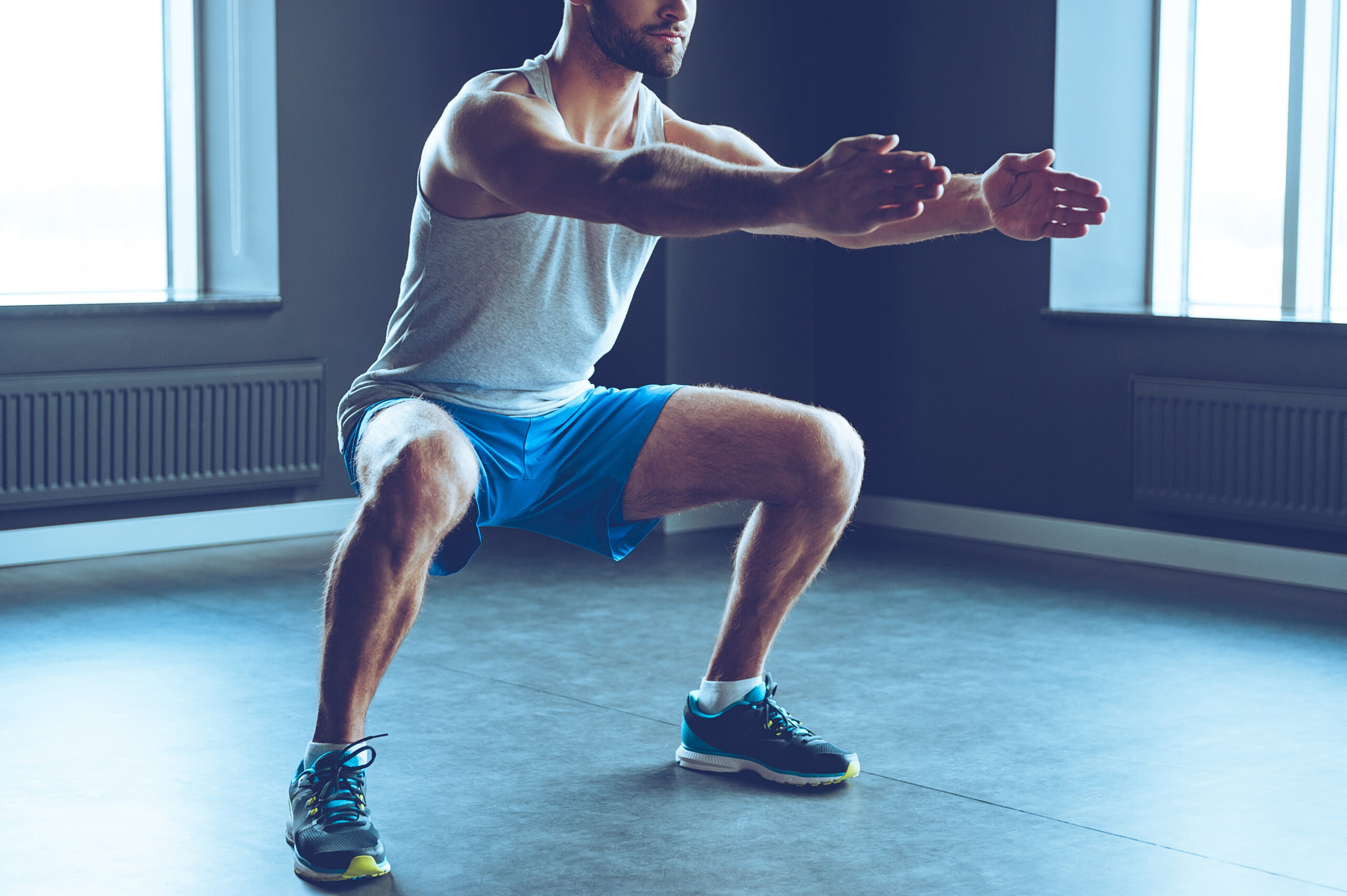
Step 1: Standard squats warm up bilateral base. Step 2: Narrow squats mimic pistol stance, heels driving upward. Step 3: Split squats load one leg dynamically. Step 4: Bench step-downs target eccentric control, lowering slowly. Step 5: Box pistols use elevated surfaces for partial depth.
Step 6: TRX or partner-assisted pistols reduce balance demands. Step 7: Leg sweeps guide the non-working leg. Step 8: Half pistols build midway strength. Step 9: Negative pistols emphasize slow descents. Step 10: Full unassisted pistols demand heel drive and locked knee extension. Progress when reps hit 5-8 per side cleanly.
YouTube coaches demonstrate heel-first landings and posterior tilt to protect knees. Facts support 7-10 steps across sources; GMB’s bottoms-up variation stands out for ascent focus, a smart tweak grounded in mobility expertise.
Advanced Tweaks and Long-Term Gains
Advanced users elevate heels or hold toes Wushu-style for balance. Beams or yoga blocks challenge stability post-mastery. Integrate with cycling via TrainerRoad protocols, fixing power imbalances. Long-term, pistol training boosts injury resilience and functional power for sports.
https://www.youtube.com/watch?v=Ei1nwSCQx-0
Short-term balance improvements hit fast, but physio consultation guards against strains. Economic edge lies in zero-equipment access, fueling DIY fitness culture. Conservative wisdom praises scalable, bodyweight discipline over pricey machines—real strength builds character alongside muscle.
Not sure where to start? Ask the AI doctor about your symptoms.
Sources:
https://www.mpcalisthenics.com/tutorial/pistol-squat-the-ultimate-progression-guide
https://gmb.io/pistol-squat/
https://www.trainerroad.com/forum/t/pistol-squat-progression/7577