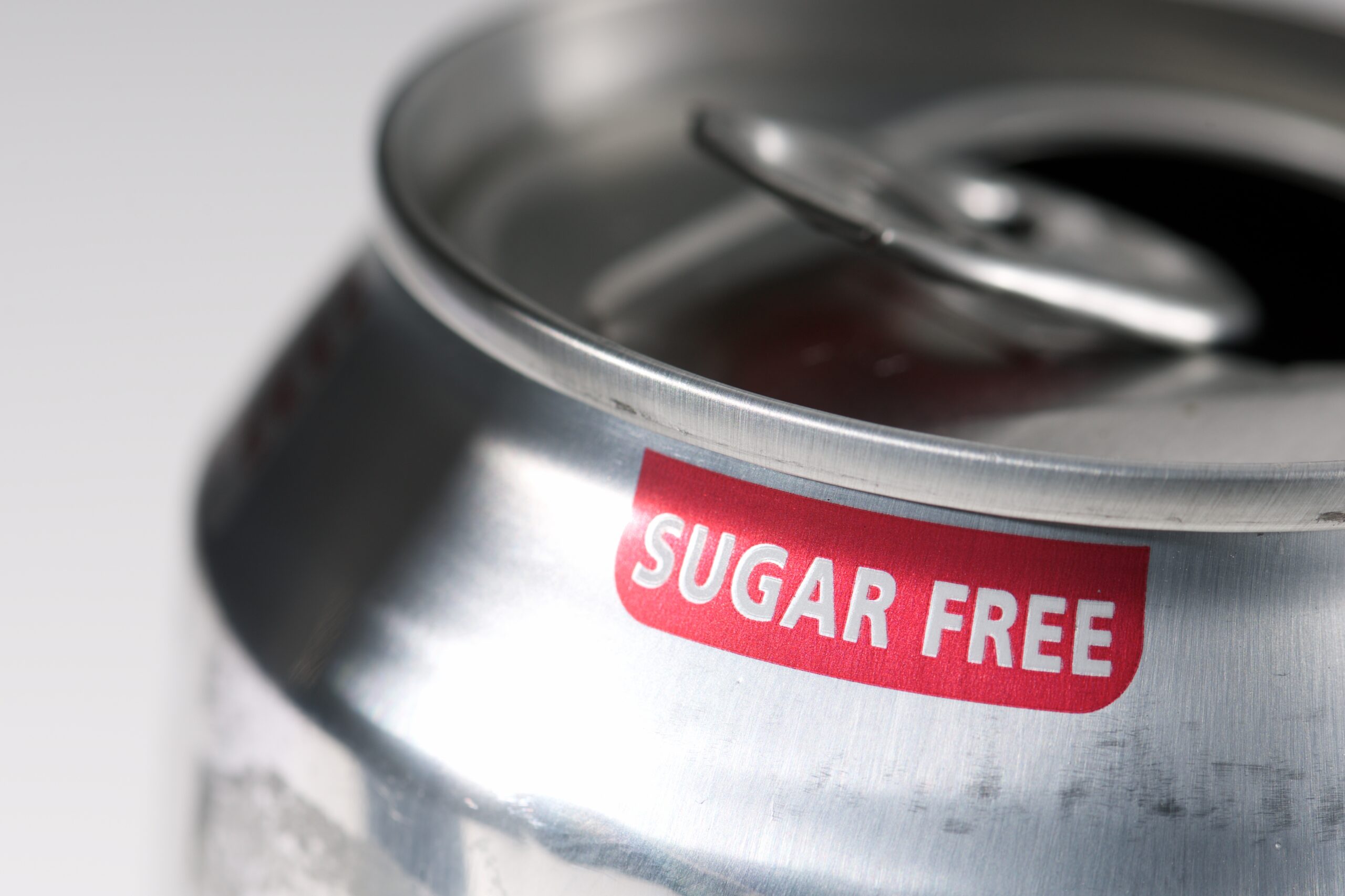
Daily diet sodas could shave years off your brain’s vitality, accelerating cognitive decline faster than natural aging.
Story Snapshot
- Brazilian study of 12,772 adults links high low- and no-calorie sweetener intake to 62% faster overall cognition decline.
- Effects hit hardest in diabetics and those under 60, with memory decline speeding up 32% and verbal fluency 173%.
- Sweeteners like aspartame, erythritol, and saccharin in diet drinks trigger neuroinflammation and stroke risks.
- High consumers average 191 mg daily, equivalent to one diet soda, versus 20 mg for low users.
- No causation proven, but evidence urges caution for diabetes management and weight control.
Brazilian Cohort Reveals Sweetener-Driven Brain Aging
Researchers tracked 12,772 Brazilian adults averaging 52 years old from 2017 to 2023. They conducted cognitive tests at baseline, midpoint, and follow-up end. High consumers of low- and no-calorie sweeteners showed declines matching 1.6 extra years of aging. The study targeted aspartame, saccharin, acesulfame-K, erythritol, xylitol, sorbitol, and tagatose. Diabetes amplified risks significantly.
https://www.youtube.com/watch?v=jM54ZYFAwno
Lead author Claudia Kimie Suemoto from University of São Paulo reported 32% faster memory decline in high users. Verbal fluency dropped 173% quicker, overall cognition 62% faster. Adjustments controlled for age, education, physical activity, and diet quality. Self-reported intake averaged 191 mg daily for high group.
Tired of diets that don’t work? Get a personalized plan in minutes.
Diabetes and Youth Face Amplified Cognitive Risks
Participants under 60 experienced strongest associations. Diabetics showed pronounced declines across domains. High sweetener use correlated with 173% faster verbal fluency loss in this group. Mechanisms include gut microbiome disruption and neuroinflammation crossing blood-brain barrier. Erythritol specifically impairs brain cells via oxidative stress.
Christopher DeSouza’s CU Boulder team tested erythritol on human brain cells in July 2025. It boosted reactive oxygen species, harming cells and raising stroke risk. Sugar alcohols like xylitol and sorbitol share similar profiles. These findings align with 2023 clotting risks from erythritol.
Start your free GLP 1 eligibility check today.
Mechanisms Link Sweeteners to Stroke and Neuroinflammation
Erythritol activates platelets, increasing cardiovascular events. CU Boulder experiments confirmed brain cell damage through oxidative stress pathways. Neurology study proposes chronic low-grade inflammation from sweeteners alters cognition trajectories. Diabetics, reliant on these for glycemic control, face compounded vascular brain risks.
https://www.youtube.com/watch?v=wSRGGk_qaGQ
Historical precedents include 1970s saccharin cancer scares, later dismissed. Aspartame faced headache reports since 1981 approval. Recent Indian reviews highlight blood-brain barrier breaches. Common sense demands scrutiny of FDA approvals when observational data mounts across large cohorts.
Suemoto advocates natural alternatives like honey or maple syrup over synthetic options. DeSouza warns non-nutritive sweeteners carry hidden consequences. Conservative values prioritize personal responsibility in diet choices, favoring whole foods over ultra-processed substitutes amid obesity epidemics.
Find out if GLP 1 medication is right for you.
Implications Challenge Diet Industry Norms
Short-term, at-risk groups should limit intake. Long-term, rising dementia and stroke rates loom without intervention. Diet beverage sector, worth billions, faces sales dips. Natural stevia demand surges. Public campaigns push clean labels. Policy reviews of sweetener safety loom as evidence strengthens.
Study limitations include self-reported diets prone to inaccuracy and no causation proof. Attrition bias affected follow-up. Sucralose escaped scrutiny; tagatose showed no links. Yet, Brazilian government funding ensures no industry bias. Facts support caution, aligning with prudent health stewardship.
Sources:
https://www.nyheadache.com/blog-posts/how-artificial-sweeteners-may-be-affecting-your-brain
https://www.news-medical.net/news/20250903/Study-links-high-intake-of-artificial-sweeteners-to-faster-cognitive-decline.aspx
https://esmed.org/MRA/mra/article/view/6388
https://pubmed.ncbi.nlm.nih.gov/40902134/
https://beingpatient.com/do-artificial-sweeteners-affect-brain-health/
https://www.sciencedaily.com/releases/2025/09/250904103923.htm
https://www.colorado.edu/today/2025/07/14/common-sugar-substitute-shown-impair-brain-cells-boost-stroke-risk
https://www.neurology.org/doi/10.1212/WNL.0000000000214023
https://www.physiology.org/detail/news/2025/04/25/popular-sugar-substitute-may-harm-brain-and-heart-health
https://www.medanta.org/patient-education-blog/artificial-sweeteners-effects-on-mood-focus-and-brain-function