Seven million preventable cancer cases in 2022 alone reveals a staggering truth that reshapes how we think about disease: most cancers are not inevitable destiny but rather the consequence of choices and exposures we can control.
Quick Take
- The WHO and IARC released a landmark analysis showing 37% of global cancer cases are preventable, representing 7.1 million cases in 2022
- Tobacco dominates as the leading preventable cause at 15% of all new cases, followed by infections at 10% and alcohol at 3%
- Men face substantially higher preventable cancer burden at 45% compared to 30% in women, with smoking accounting for 23% of male cases
- Prevention strategies targeting tobacco control, vaccination, air quality, and workplace safety could reduce millions of cases and lower healthcare costs globally
The Prevention Paradox Nobody Talks About
We spend billions on cancer treatment each year, yet the WHO just confirmed what prevention advocates have whispered for decades: we could stop four out of ten cancers before they start. This is not speculation or wishful thinking. The analysis examined data from 185 countries across 36 cancer types, making it the most comprehensive global assessment ever conducted. The finding lands with particular force because it integrates infectious causes—human papillomavirus, hepatitis B, Helicobacter pylori—alongside behavioral and environmental factors for the first time. This matters because it exposes the full scope of what we can actually prevent if governments and individuals act.
Watch:
https://www.youtube.com/watch?v=T8cy7jOfRLI
Why Tobacco Still Dominates the Conversation
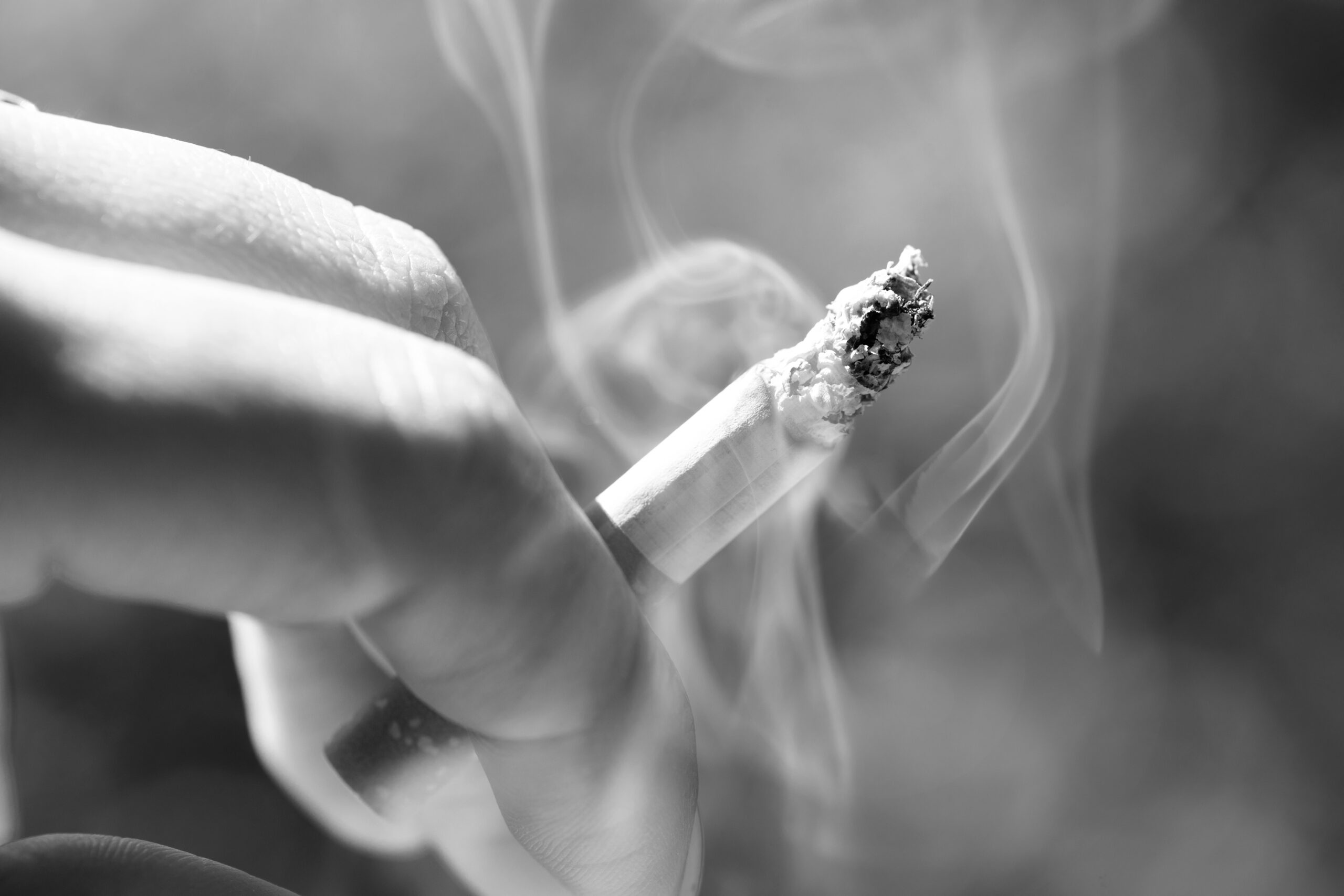
Tobacco accounts for 15% of all new cancer cases globally and 21% of cancer deaths. Among men, smoking drives 23% of preventable cancers. These numbers explain why tobacco control remains the highest-impact prevention lever available. Yet implementation remains inconsistent across regions, particularly in low- and middle-income countries where cancer incidence is accelerating fastest. The analysis reveals that East Asian men face the highest preventable burden at 57%, driven substantially by smoking prevalence. This regional variation underscores a critical insight: prevention cannot be one-size-fits-all.
Meet My Healthy Doc – instant answers, anytime, anywhere.
The Gender Gap That Demands Attention
Men face 45% preventable cancer burden versus 30% in women. This disparity reflects different exposure patterns: smoking dominates male cancer risk, while infections lead to female preventable cases at 11%. In sub-Saharan Africa, women face 38% preventable burden, substantially driven by HPV and hepatitis B. These gender-specific patterns demand targeted interventions. Vaccination programs against HPV and hepatitis B emerge as particularly powerful tools for women in high-burden regions, yet coverage remains uneven across countries with limited resources.
Got a health question? Ask our AI doctor instantly, it’s free.
What Prevention Actually Costs Versus What Cancer Costs
Addressing preventable risk factors lowers long-term healthcare costs while improving population health and well-being. The economic case is straightforward: prevention infrastructure costs less than treatment. Yet resource-constrained countries face the cruel paradox of experiencing steepest cancer increases while possessing fewest prevention resources. The WHO analysis implicitly challenges governments to reframe prevention not as an optional public health priority but as essential infrastructure. Coordinated action across health, education, energy, transport, and labor sectors can prevent millions of families from experiencing cancer’s burden.
https://twitter.com/WHONepal/status/2019048305549054314
The Actionable Path Forward
The analysis identifies specific, modifiable interventions: strengthen tobacco control measures, expand HPV and hepatitis B vaccination programs, improve air quality standards, regulate alcohol marketing and availability, enhance workplace safety protocols, and promote healthier food environments and physical activity. These are not abstract recommendations but concrete policy levers that governments can pull immediately. The WHO and IARC positioned this analysis as a call to action timed with World Cancer Day, signaling that prevention deserves the same urgency and resources currently allocated to treatment.
Your instant doctor companion – online 24 hours a day.
Sources:
Four in ten cancer cases could be prevented globally – WHO
IARC Press Release: Preventable Cancer Analysis
Global Cancer Surge Study – Science Daily
2026 Cancer Facts and Figures – American Cancer Society