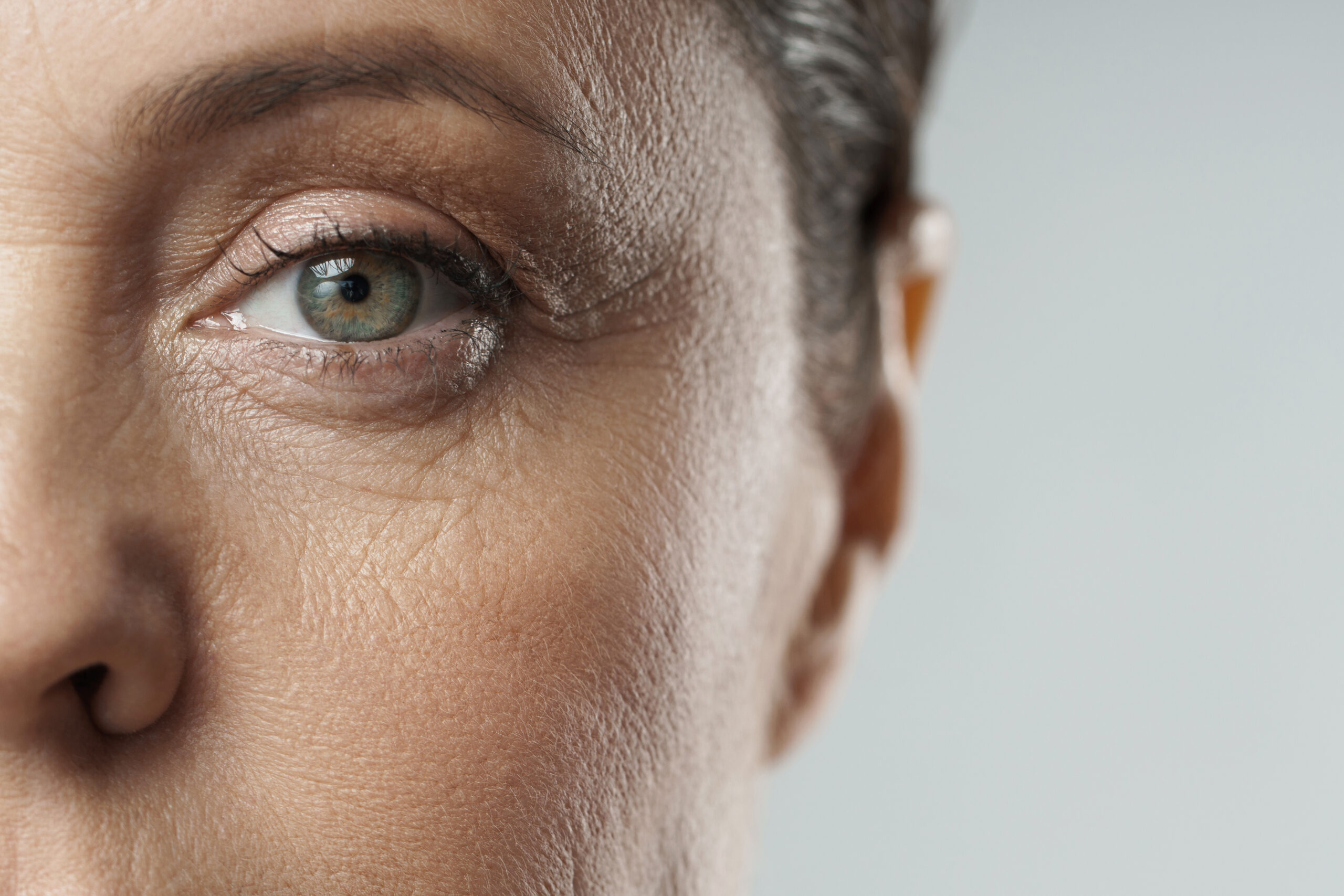
Those fine lines staring back at you in the mirror might not be the irreversible marks of aging you dread, but rather temporary visitors that could vanish with the right hydration strategy.
Story Snapshot
- Dehydration lines are superficial, temporary creases caused by water loss in the skin’s upper layers, unlike permanent wrinkles from elasticity breakdown
- A simple press test reveals the difference: dehydration lines disappear under gentle pressure while true wrinkles persist
- Environmental factors like low humidity, harsh cleansers, and inadequate water intake accelerate moisture loss across all skin types
- Consistent hydration with humectants like hyaluronic acid can restore plumpness and reduce the appearance of these temporary lines within days
- Misdiagnosing dehydration as aging drives consumers toward unnecessary anti-wrinkle treatments when barrier repair should be the priority
The Confusion That Costs You
The skincare industry thrives on confusion between dehydration lines and wrinkles, a distinction that determines whether you need a $15 hydrating serum or a $500 Botox appointment. Dehydration lines emerge as fine, crepey creases typically concentrated under the eyes and across the forehead where skin is thinnest. These lines result from water depletion in the stratum corneum, your skin’s outermost protective layer. True wrinkles dig deeper, carving permanent grooves from collagen breakdown and elasticity loss. The critical difference: dehydration lines respond to moisture within days while wrinkles require structural intervention.
https://www.youtube.com/shorts/IJVI0UlskC8
Dermatologists observe this diagnostic confusion accelerating in dry climates where environmental humidity plummets. Florida’s heat, winter’s indoor heating, and aggressive exfoliation strips away the skin’s natural moisture barrier. The result mimics premature aging convincingly enough to send consumers spiraling toward anti-aging products that address the wrong problem entirely. Brands benefit from this misunderstanding, positioning expensive retinoids and peptides as solutions when basic hydration would suffice. The press test offers immediate clarity: apply gentle pressure to suspected lines and watch dehydration marks temporarily fade while genuine wrinkles remain unchanged.
Breakouts? Let AI guide your skincare plan.
What Your Skin Is Actually Telling You
Dehydrated skin broadcasts distress signals beyond visible lines. Dullness replaces your natural glow as light scatters unevenly across an uneven surface. Tightness creates discomfort, particularly after cleansing when stripped of moisture. Increased sensitivity and irritation emerge as the compromised barrier fails its protective function. These symptoms span all skin types, demolishing the myth that only dry skin suffers dehydration. Oily complexions frequently mask severe dehydration, compensating for water loss by overproducing sebum. This creates the paradox of simultaneously greasy and dehydrated skin, confusing those who avoid hydrators thinking their skin has enough moisture.
https://www.youtube.com/shorts/QLYJ2CwN4sQ
The culprits behind dehydration extend beyond obvious suspects like inadequate water consumption. Harsh cleansers containing sulfates strip the skin’s natural moisturizing factors. Environmental aggressors including pollution, UV radiation, and air conditioning extract moisture relentlessly. Certain medications, excessive caffeine, and alcohol consumption dehydrate systemically, manifesting first in facial skin. Overuse of active ingredients like acids and retinoids compromises barrier function when not balanced with hydration. Even climate plays a decisive role, with low-humidity environments creating a moisture gradient that pulls water from skin into surrounding air.
Free consultation for acne and rosacea.
The Hydration Solution That Actually Works
Reversing dehydration lines requires strategic layering rather than random product application. Hyaluronic acid stands as the gold standard humectant, capable of holding 1,000 times its weight in water. Apply it to damp skin immediately after cleansing when the stratum corneum is most receptive. Marine-derived ingredients offer advanced hydration technology, with compounds like SDSM2 delivering sustained moisture beyond traditional humectants. Follow with occlusives like ceramides or squalane that seal hydration into the skin rather than allowing evaporation. This three-step approach of humectant, hydrator, and occlusive creates the moisture sandwich essential for plumping dehydration lines.
Consistency determines success more than product cost. Drinking adequate water supports systemic hydration that skincare alone cannot achieve. Running a humidifier in dry climates restores environmental moisture that prevents transepidermal water loss during sleep. Avoiding over-cleansing preserves the skin’s natural moisturizing factors that took hours to produce. Gentle products that respect the barrier allow the stratum corneum to maintain its critical 10 to 30 percent water content. Within 48 to 72 hours of proper hydration, most people observe noticeable reduction in dehydration lines as the skin regains its natural plumpness and resilience.
Acne redness or dryness get tailored help today.
Why This Distinction Matters Long-Term
Chronic dehydration accelerates genuine aging by weakening the barrier that protects against environmental damage. The compromised stratum corneum allows irritants deeper penetration, triggering inflammation that degrades collagen over time. Dehydration lines become roadmaps where future wrinkles will form as the skin develops memory for these repeated creases. Addressing hydration early prevents this progression, maintaining the elasticity and resilience that keeps skin youthful. The economic implications reach beyond personal budgets, driving a skincare market exceeding $100 billion annually where hydration products compete against unnecessary anti-aging interventions.
The shift from anti-aging rhetoric toward hydration-first approaches represents genuine progress in skincare education. Consumers empowered to distinguish temporary dehydration from permanent wrinkles make informed decisions aligned with their actual skin needs. This knowledge prevents the overtreatment cascade where aggressive products intended for aging skin further dehydrate, creating a destructive cycle. Dermatologists report fewer patients requesting premature cosmetic procedures once they understand that proper hydration addresses many concerns previously attributed to aging. The simple act of feeding your skin adequate moisture delivers results that expensive treatments cannot match when dehydration is the underlying issue.
Sources:
The Ordinary – Causes of Dehydrated Skin
Gulf Coast Facial Plastics – Dehydration Lines vs Wrinkles: Understanding the Fine Line Between Aging and Hydration
Charlotte Tilbury – How to Fix Dehydrated Skin
Caudalie – Dehydrated Skin
Winston Salem Dermatology – Everything You Need to Know About Dehydrated Skin
CeraVe – What Causes Dehydrated Skin
Healthline – Dry vs Dehydrated Skin
DermaTouch RN – Mistakes That Age and Dehydrate Your Skin