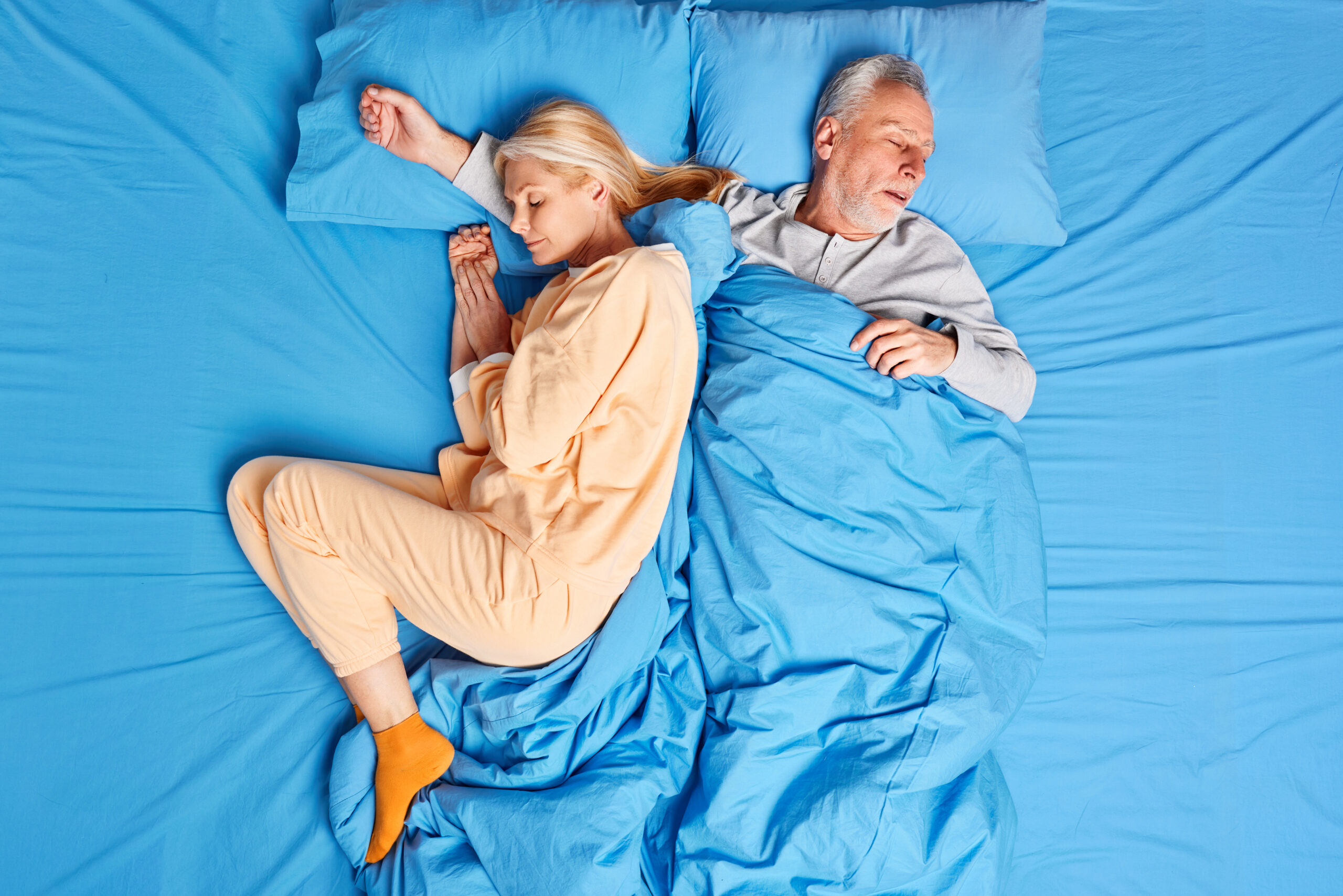
The fastest, cheapest way to improve sleep after 65 may be hiding in plain sight on your thermostat.
At a Glance
- Real-world, at-home monitoring found older adults slept best when bedrooms stayed around 68–77°F.
- Sleep efficiency dropped about 5–10% when rooms warmed into the 77–86°F range.
- The “perfect” number varied a lot by individual, making personalization more practical than one-size-fits-all rules.
- This isn’t just comfort talk; hotter nights can mean more restlessness and less recovery, especially as summers warm.
The study that moved sleep advice from the lab into the bedroom
Researchers followed 50 community-dwelling adults age 65 and older for a full year, collecting nearly 11,000 person-nights of data with wearable sleep monitors and environmental sensors placed in bedrooms. That detail matters: most temperature-and-sleep advice comes from labs or broad guidelines, not from people sleeping in their own beds through real seasons, real heating systems, and real midnight wake-ups.
The headline result landed where many older adults already suspect it would: sleep efficiency, sleep duration, and restlessness looked best when the bedroom sat between roughly 20–25°C, or 68–77°F. When temperatures climbed into 25–30°C (77–86°F), sleep efficiency slipped by about 5–10%. That drop sounds small until you translate it into a life lived on repeat: less solid sleep tonight becomes a foggier morning tomorrow.
Feeling unwell? Chat with a doctor instantly.
Why 77°F can be a tipping point for older sleepers
Older adults regulate temperature differently than younger adults. The body’s heat management changes with age, and the “sleep cooling” process that helps the brain drift into deeper stages doesn’t always fire as cleanly. That helps explain why older adults may tolerate slightly warmer temperatures than the common 60–67°F advice aimed at the general population. It also explains the cliff effect: once the room crosses into warmer territory, the system strains.
Sleep isn’t a simple on/off switch; it’s a cascade of stages, hormones, and subtle shifts in core body temperature. A warm bedroom nudges the body to work harder to shed heat, which can translate into more micro-awakenings and more restless movement. For a 40-year-old, that might mean a groggy day. For a 70-year-old managing blood pressure, blood sugar, or balance, a week of disrupted sleep can carry real consequences.
Skip the clinic. Start your AI consult now.
Personal “sweet spots” beat generic rules, and the data proved it
The most useful part of the research may frustrate people who want a single magic number: individuals varied substantially in their optimal temperature. Some did best near the cooler end of the 68–77°F band, others nearer the warmer end, and the relationship wasn’t perfectly linear. That finding fits common sense. Homes differ, bedding differs, bodies differ, medications differ, and couples negotiating one thermostat can differ most of all.
Personalization also aligns with a practical, conservative idea: solve problems at the household level before turning them into expensive systems. Instead of chasing the latest supplement or gadget, a senior can run simple at-home trials. Pick a temperature for three nights, keep bedtime consistent, and watch for next-day clues: fewer wake-ups, less morning headache, steadier mood, better energy. Then adjust by one degree, not five.
Heat, sleep, and the quiet risk hiding in “normal” summer nights
The study’s climate angle deserves attention because it’s not political theater; it’s physiology plus weather. Nights are warming in many regions, and older adults face higher risk during heat events. A hot afternoon is annoying. A hot night steals recovery, and sleep loss compounds stress on the body. That risk hits low-income seniors hardest, especially those who hesitate to use air conditioning because of utility bills.
Research pointing to benefits around 75°F also overlaps with heart-related findings: cooler sleeping environments can reduce overnight stress and improve recovery patterns. The message isn’t that everyone must freeze. The message is that warmth isn’t neutral. If the bedroom sits in the low 80s because the house holds heat, the body may spend the night fighting the room instead of repairing itself.
What to do tonight: practical temperature tactics that respect budgets
Start with the range the data supports: aim for 68–77°F and treat 77°F as the moment to pay attention. If you wake up drenched, restless, or repeatedly alert, nudge down one or two degrees. Use the low-cost levers first: a fan to move air across skin, breathable sheets, lighter blankets, and keeping afternoon sun off the bedroom. Small changes often beat dramatic thermostat swings.
Couples can avoid the “thermostat war” by controlling microclimates. One person can use a lighter top sheet while the other keeps a blanket; a fan can point at the warmer sleeper; mattress and pillow materials can change heat retention. The goal is not luxury. The goal is fewer wake-ups and better next-day function. When people treat sleep as a performance issue, not a comfort issue, the decision gets easier.
Your health questions deserve instant support.
The bottom line: a degree or two can buy back real sleep
The study doesn’t claim temperature fixes every sleep complaint, and it shouldn’t. Pain, apnea, medications, and stress can override any thermostat setting. It does show something rare in health advice: a low-effort, low-drama intervention with measurable impact in real homes. If sleep efficiency drops 5–10% on warmer nights, then nudging the bedroom back into the 68–77°F zone can be a quiet way to reclaim resilience.
Older adults have heard decades of sleep tips that blame willpower: meditate more, worry less, be disciplined. Temperature flips the script. It says the room is part of the biology, and you can negotiate with it. That’s the hook worth remembering the next time you stare at the ceiling at 2:00 a.m. and wonder why sleep got harder with age.
Sources:
This bedroom temperature could help older adults sleep with less stress
Optimal Sleep Temperature for Seniors Between 68-77 Degrees Fahrenheit, Study Reveals
Optimal Sleep Conditions for Older Adults Questioned
Cooler bedroom temperatures help the heart recover, older adults sleep better
Nighttime Ambient Temperature and Sleep in Community-Dwelling Older Adults
Indoor Temperatures Tied to Cognitive Risks in Older Adults
What Is the Ideal Sleeping Temperature for My Bedroom?