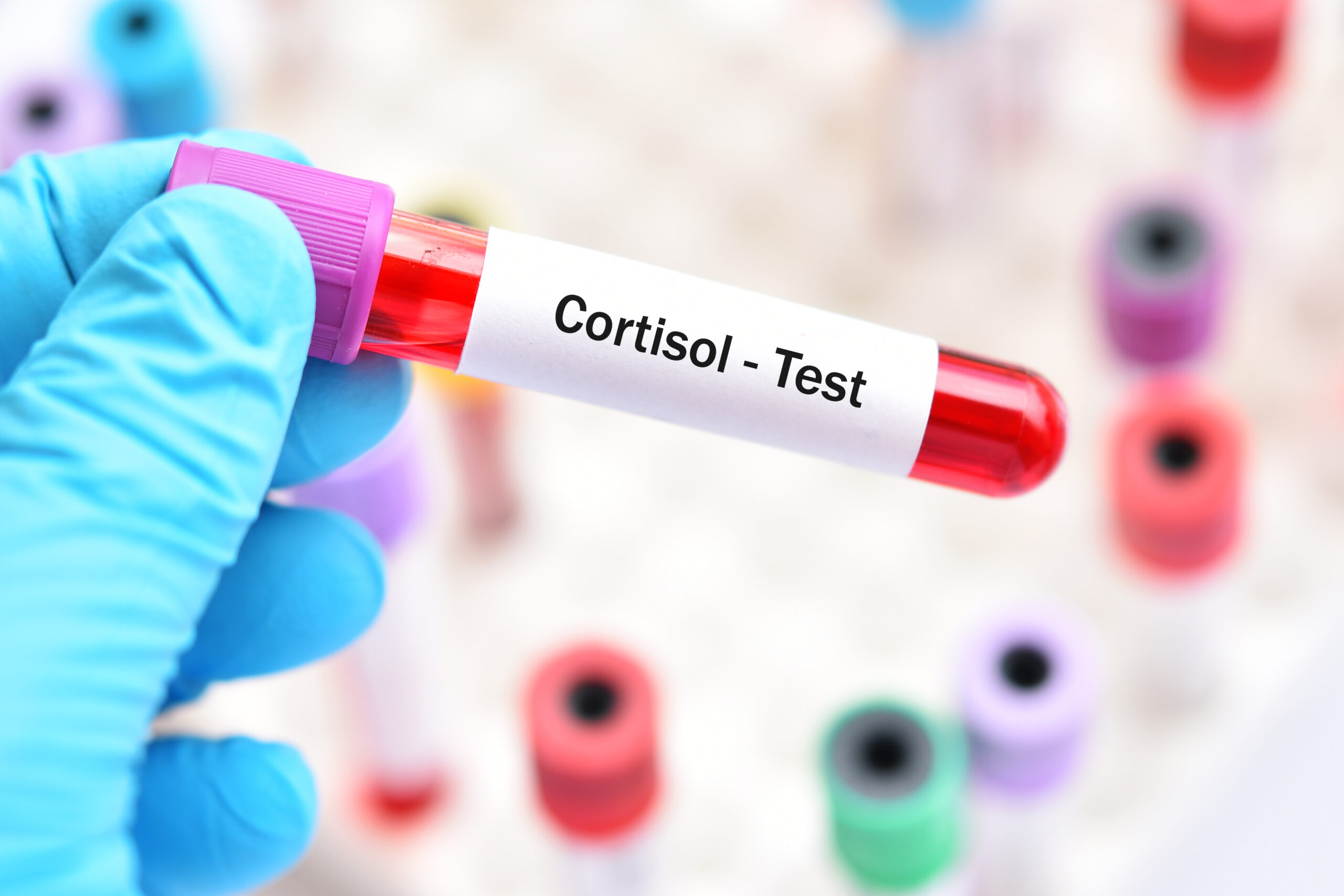
Can you really trust at-home cortisol tests to accurately gauge your stress levels?
Story Overview
- At-home cortisol testing kits offer convenience and privacy.
- There are concerns about the accuracy and clinical reliability of these tests.
- Different test types (saliva, blood, urine) have unique strengths and limitations.
- Consumers are empowered but must be cautious of misinterpretation without medical guidance.
Understanding At-Home Cortisol Testing
At-home cortisol testing kits have surged in popularity, offering a convenient way to measure stress hormone levels without a trip to the doctor. These tests primarily use saliva, blood, or urine samples, with saliva-based tests gaining traction for their ease of use and non-invasive nature. However, the question remains: how reliable are these home tests compared to traditional clinical methods? Experts agree that while these kits provide a snapshot of cortisol levels, they should not replace professional medical advice.
Salivary tests have become popular due to their simplicity, yet they come with caveats. While suitable for specific conditions like Cushing’s syndrome, their accuracy can be compromised by factors such as improper sample collection or delays in shipping. This variability necessitates cautious interpretation and highlights the need for medical oversight to confirm any alarming results. The convenience of these tests must be weighed against potential inaccuracies that could lead to unnecessary anxiety or false reassurance.
The Science Behind Cortisol Testing
Cortisol is a crucial hormone produced by the adrenal glands, playing a significant role in stress response, metabolism, and immune function. Clinical measurement of cortisol traditionally involves blood tests, which are considered the gold standard due to their precision. However, advances in immunoassay and mass spectrometry have paved the way for reliable saliva and urine tests, expanding the options for hormone measurement beyond the confines of a clinical setting.
Despite these advancements, home testing kits often utilize simplified methods that may not match the accuracy of clinical tests. Brands like myLAB Box and RxHomeTest market these products with promises of quick and private results, appealing to consumers’ desire for autonomy over their health. However, healthcare providers and regulatory agencies urge caution, emphasizing that these tests should serve as preliminary tools rather than definitive diagnostics.
Navigating the Risks and Benefits
The rise of direct-to-consumer health testing reflects a broader trend towards self-quantification and wellness. Consumers appreciate the empowerment that comes with monitoring their own health metrics. Yet, this empowerment brings the risk of misinterpretation and over-reliance on potentially flawed data. Healthcare providers play a crucial role in bridging this gap, offering guidance to ensure that test results are understood in the proper context and followed up with appropriate medical care when necessary.
For individuals with suspected adrenal disorders or those managing stress, at-home cortisol tests can provide valuable insights. However, they should be used as part of a broader health management strategy that includes professional medical evaluation. The allure of quick fixes and instant results must be tempered with the understanding that health is complex, and reliable diagnosis often requires a comprehensive approach.
Sources: