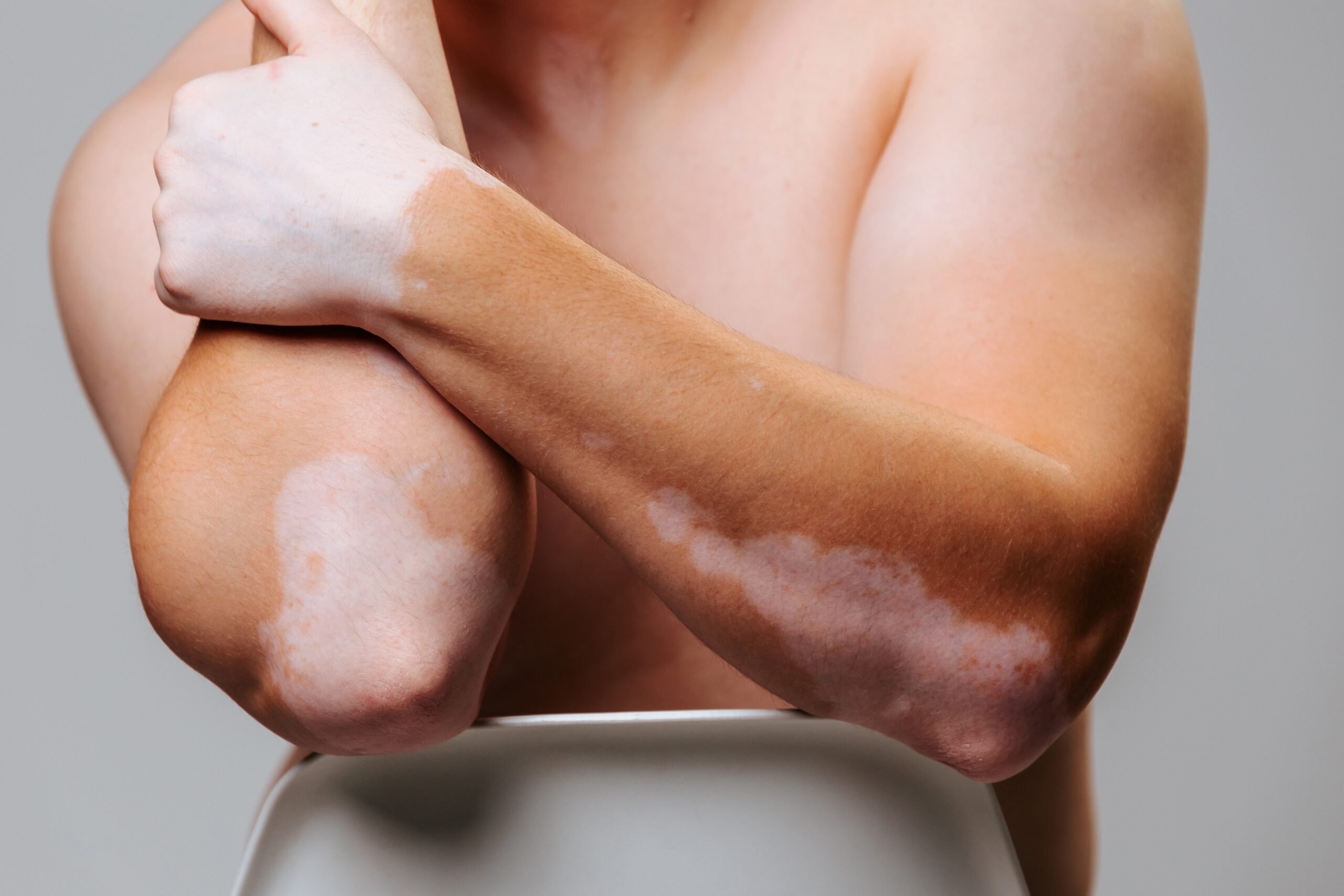
A groundbreaking study of nearly 200,000 cancer patients reveals that having an autoimmune skin disease actually improves your chances of surviving cancer treatment by about 6 percent.
Story Highlights
- Taiwan study tracked 197,895 cancer patients, finding those with autoimmune skin diseases had better survival rates
- Alopecia areata and Sjögren syndrome showed the strongest protective effects against cancer death
- Researchers believe heightened autoimmune activity may boost the body’s natural tumor-fighting abilities
- Findings challenge assumptions that autoimmune conditions worsen cancer outcomes
The Unexpected Cancer Shield Hidden in Plain Sight
For decades, doctors assumed patients battling both cancer and autoimmune skin conditions faced double trouble. The conventional wisdom suggested that immune system dysfunction would hamper cancer treatment effectiveness. A massive Taiwanese study published in JAMA Dermatology has turned this assumption upside down, revealing that certain autoimmune skin diseases actually provide a modest survival advantage.
The research team analyzed data from Taiwan’s comprehensive national health insurance database, tracking patients who received chemotherapy, targeted therapy, or immunotherapy between 2019 and 2021. Among the cohort, 26,008 patients had pre-existing autoimmune skin diseases including vitiligo, psoriasis, lupus, and alopecia areata. After adjusting for age, cancer stage, and treatment types, these patients showed consistently better outcomes.
Get fast reliable health advice from your AI doctor now.
Two Conditions Stand Out as Survival Boosters
While the overall survival benefit was modest at 6 percent, two specific conditions emerged as particularly protective. Patients with alopecia areata, an autoimmune condition causing patchy hair loss, demonstrated the most consistent association with lower mortality risk. Sjögren syndrome, which affects moisture-producing glands and can cause skin symptoms, also showed strong protective effects.
The researchers theorize that these conditions create a state of immune hypervigilance. When your immune system is already primed to attack your own tissues, it may also be better equipped to recognize and eliminate cancer cells. This heightened immune surveillance could explain why patients with these conditions respond better to cancer treatments, particularly immunotherapies designed to unleash the body’s natural defenses.
Say goodbye to long waits. Hello to instant care.
Rethinking the Autoimmune-Cancer Connection
These findings align with previous observations in melanoma patients receiving immunotherapy. Doctors noticed that patients who developed vitiligo-like skin changes during treatment often had better responses and longer survival. The Taiwan study suggests this phenomenon extends beyond treatment-induced autoimmunity to pre-existing conditions.
The discovery challenges fundamental assumptions about managing cancer patients with autoimmune conditions. Oncologists have traditionally approached these cases with extra caution, sometimes modifying treatment intensity or avoiding certain therapies altogether. This new evidence suggests such patients may actually be ideal candidates for aggressive treatment, including cutting-edge immunotherapies.
Get care on your terms from anywhere.
Sources:
Autoimmune Skin Diseases and Survival Outcomes After Antineoplastic Treatment – JAMA Dermatology
PubMed: Autoimmune Skin Diseases and Survival Outcomes
Clinical and Experimental Dermatology: Autoimmune Disease and Cancer Risk
American Skin Association Press Release