Baby Botox is redefining the youthful pursuit of wrinkle prevention, sparking a generational shift in cosmetic trends.
Story Snapshot
- Baby Botox targets young adults seeking to prevent wrinkles.
- The trend emphasizes prevention over treatment.
- Social media and industry marketing fuel its popularity.
- Experts question long-term efficacy and societal impact.
Understanding Baby Botox
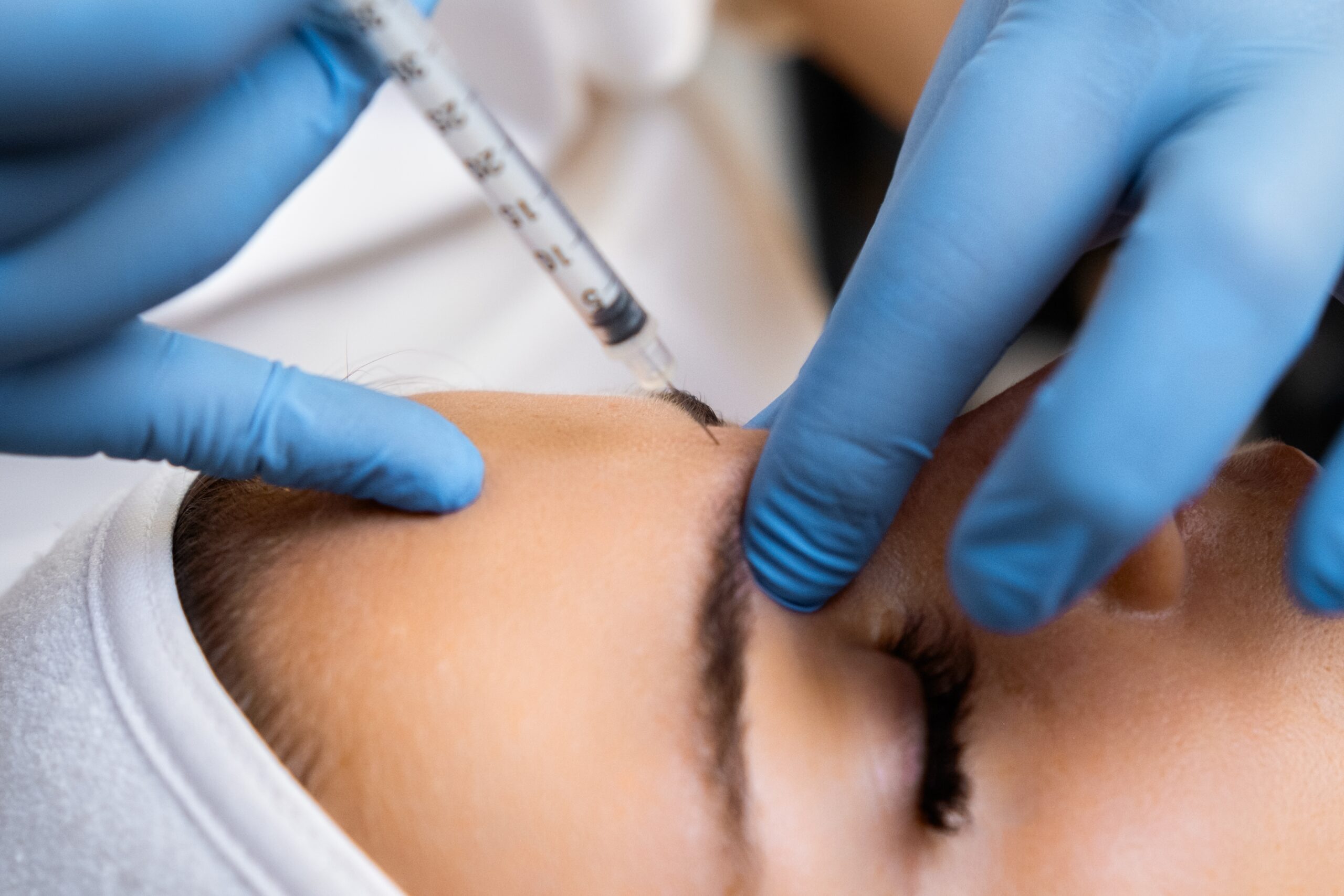
Baby Botox is capturing the attention of young adults in their 20s and 30s, aiming to preemptively tackle wrinkles before they even form. Unlike traditional Botox, which smooths existing lines, Baby Botox uses smaller, more precise doses. This method helps maintain natural facial expressions while subtly relaxing muscles to delay the appearance of deep lines. The procedure capitalizes on the growing desire for preventative measures over corrective ones, aligning with today’s culture of early intervention in cosmetic medicine.
Emerging in the 2010s, Baby Botox reflects a shift in cosmetic trends, with its popularity soaring among millennials and Gen Z. The procedure gained momentum in the 2020s, bolstered by media coverage and the pervasive influence of social media. Young adults, influenced by beauty standards and digital culture, find Baby Botox appealing for its promise of a youthful, wrinkle-free future. This trend highlights a broader societal anxiety about aging and the desire to preserve a youthful appearance at any cost.
The Rising Influence of Social Media
Social media plays a pivotal role in the rise of Baby Botox, amplifying beauty standards and shaping perceptions of youth and aging. Influencers and celebrities, often showcasing their wrinkle-free complexions, drive the trend further by endorsing the procedure. This digital landscape not only normalizes cosmetic enhancements but also pressures young adults to adhere to these ideals. The cosmetic industry eagerly responds by marketing Baby Botox as an essential tool for maintaining youthful skin, targeting younger consumers with tailored messaging.
While the trend garners attention, it also raises questions about the societal implications of promoting anti-aging interventions to a young demographic. Critics argue that this focus on prevention may contribute to the medicalization of normal aging processes, fostering unrealistic beauty standards. As Baby Botox becomes more mainstream, the conversation around its long-term effects and ethical considerations grows more urgent.
Expert Opinions and Concerns
Dermatologists and cosmetic experts acknowledge Baby Botox’s ability to soften lines and provide subtle results. However, they emphasize that claims of true wrinkle prevention lack robust long-term evidence. The procedure’s popularity prompts debates in the medical community about its necessity and efficacy, with experts urging caution and advocating for evidence-based practices. The psychological impact of promoting such interventions to young adults also warrants consideration, as it may reinforce age-related anxieties and beauty ideals.
Despite these concerns, proponents argue that Baby Botox empowers individuals to take control of their appearance, offering a proactive approach to aging. The procedure’s appeal lies in its promise of delaying the signs of aging while preserving natural facial expressions. As the trend continues to evolve, the cosmetic industry and medical community must navigate the balance between consumer demand and the need for responsible, informed practices.
Future Implications and Industry Impact
The rise of Baby Botox signifies a shift in cosmetic industry dynamics, with increased demand for minimally invasive, preventative treatments among younger consumers. This trend expands revenue streams for the cosmetic industry, intensifying competition among clinics and practitioners. However, it also prompts regulatory scrutiny over marketing practices and safety claims. As Baby Botox becomes more widespread, its long-term implications on beauty standards, societal norms, and the medicalization of aging remain subjects of ongoing discussion.
In the short term, Baby Botox normalizes early aesthetic intervention, contributing to heightened pressure on young people to maintain a youthful appearance. Long-term, the trend may lead to increased lifetime exposure to cosmetic treatments, with unknown cumulative effects. The conversation around Baby Botox embodies broader societal debates about aging, beauty, and the influence of digital culture, challenging individuals and industries to navigate these complexities thoughtfully.
Sources: