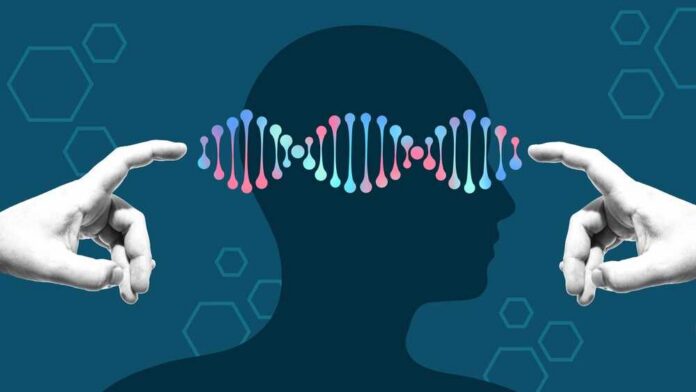
Your morning coffee might supercharge bench presses for some gym-goers but leave others yawning through squats—thanks to a single gene that flips the switch on caffeine’s power.
Story Highlights
- CYP1A2 gene variants divide people into fast, intermediate, and slow caffeine metabolizers, dictating workout boosts.
- Fast metabolizers gain 4-12% velocity improvements; slow ones see minimal 2-6% edges from 3 mg/kg dose.
- Double-blind trial on 94 trained adults tested bench press and squats, marking first direct strength-genetics link.
- Practical tip: Observe your response or test genetically before pre-workout caffeine reliance.
- Limitations include specific dose and lifts; broader exercise untested.
Study Design and Key Findings
Researchers conducted a randomized, double-blind, placebo-controlled trial with 94 resistance-trained adults. Participants ingested 3 mg/kg caffeine—roughly two 8-oz coffee cups for a 150-pound person—or placebo before bench press and squat sessions. The gold-standard design isolated caffeine’s acute effects on strength metrics like mean propulsive velocity and muscular endurance velocity.
Fast metabolizers with AA genotype in CYP1A2 showed 4-12% gains in mean propulsive velocity and 4-6% in endurance velocity. Slow metabolizers (CC genotype) managed only 4% and 2-6% improvements. Intermediate AC types landed between, proving genetics dictate ergogenic benefits. This trial, published in Scandinavian Journal of Medicine & Science in Sports (PMID 41627185), stands out for targeting trained athletes.
CYP1A2 Genetics Explained
CYP1A2 enzyme primarily metabolizes caffeine in the liver. The rs762551 polymorphism (−163 C > A) creates three categories: slow (CC), intermediate (AC), and fast (AA) metabolizers. These explain 14-22% of caffeine clearance variability among heavy consumers. Evolutionary adaptations appear in population genetics via ancient DNA and GWAS studies.
Non-genetic factors influence activity. Smoking induces faster metabolism. Pregnancy slows it, stretching half-life to 10.5 hours. Diet and medications also modulate effects, amplifying global cultural differences in caffeine intake.
Historical Research Evolution
Early 2000s identified rs762551 as a metabolic rate predictor. 2010s-2020s linked genotypes to BMI changes, renal risks for slow metabolizers, and fat oxidation during exercise. Precedents show cardiovascular hypertension risks for slow types exceeding three cups daily and appetite suppression benefits for fast metabolizers. Few studies previously tied this to resistance strength.
2026 reviews synthesize gene-diet interactions for cardiometabolic health. The focal trial extends this to performance, aligning with ongoing exercise adaptation research.
Stakeholders and Motivations
Unnamed researchers from the trial advance pharmacogenomics for personalized nutrition. Sela Breen’s mindbodygreen article, released March 18, 2026, translates findings for fitness enthusiasts. Reviewers X. Liu, S. Xu, and M. Kayikcioglu et al. provide genetic and cardio context. Institutions like PubMed host data; coffeeandhealth.org aggregates studies.
Journal editors validate via peer review. Genetic testing firms and fitness influencers shape adoption. No major conflicts noted, though creatine pairings hint at supplement interests. Media amplifies science to consumers effectively.
Implications for Fitness Enthusiasts
Short-term, athletes test CYP1A2 via direct-to-consumer kits to optimize pre-workouts—fast types gain most. Slow metabolizers avoid over-reliance; pregnant or heavy users heed risks. Long-term, pharmacogenomic ergogenics reshape supplements and marketing.
Socially, individualized plans cut trial-and-error, aligning with common-sense self-observation over unneeded tests. Economically, genetic services and targeted drinks grow. Public health guidelines may evolve, prioritizing gene-aware caution like pre-exercise limits for coronary patients. Facts support Breen’s view: Personal response trumps testing for most.
Sources:
Will Caffeine Enhance Your Workout? Researchers Say Its Genetic
PMC review on caffeine genetics
X. Liu & S. Xu (2026 Hereditas review on metabolism/genetics)
M. Kayikcioglu et al. (2026 Nutrition Reviews on cardiometabolic health)