The world’s most studied sports supplement doesn’t actually boost your metabolism—unless you unlock its hidden metabolic partnership that researchers are calling a game-changer for insulin sensitivity and fat burning.
Story Highlights
- Creatine alone has zero direct impact on metabolism, but creates powerful metabolic benefits when paired with exercise
- The combination triggers release of specialized proteins called myokines that enhance insulin sensitivity and glucose uptake
- New 2025 research confirms creatine is kidney-safe despite temporarily raising creatinine levels
- Women may experience unique benefits during specific menstrual cycle phases for body composition
The Metabolic Myth That Fooled Everyone
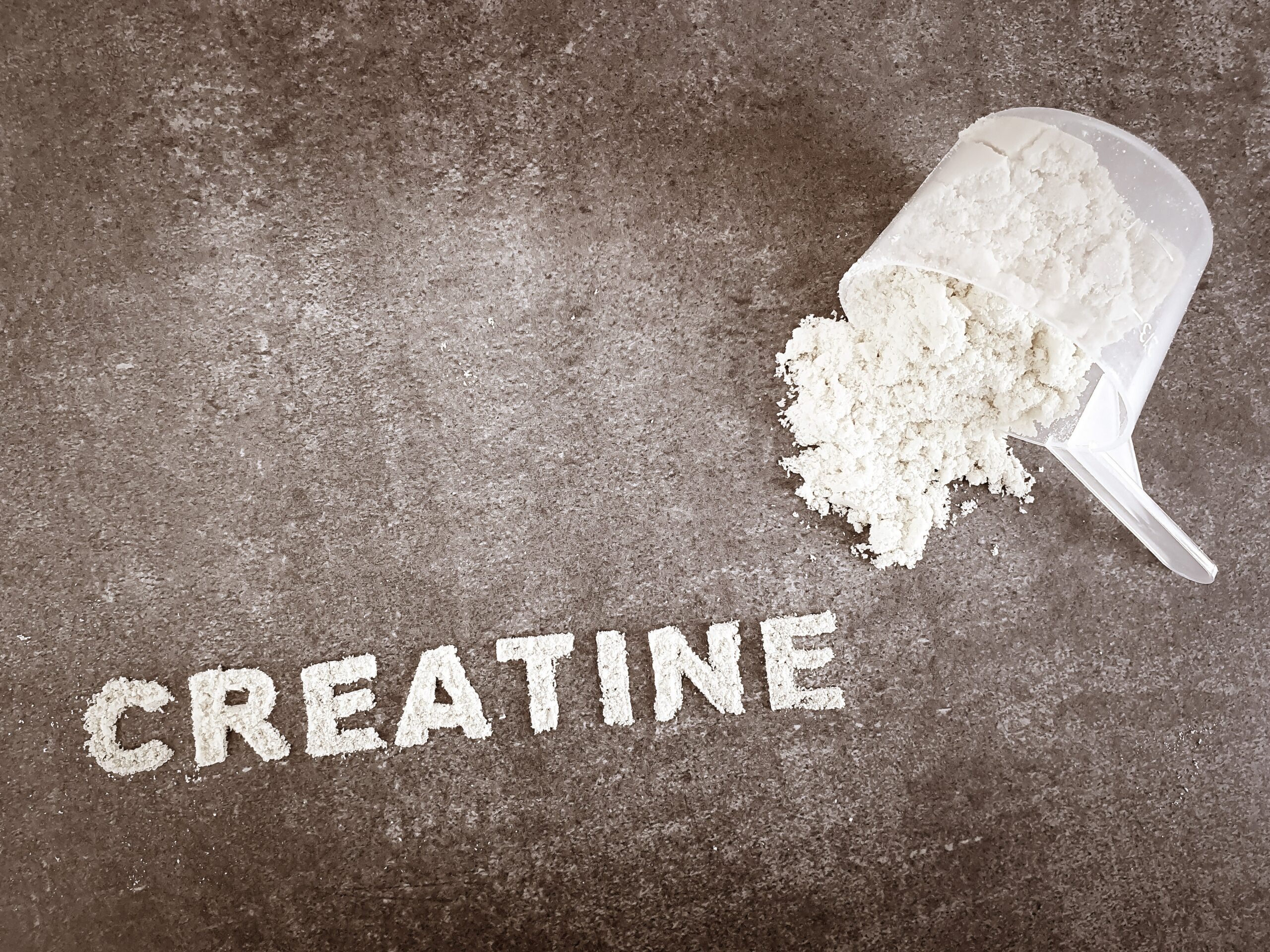
For decades, fitness enthusiasts have popped creatine pills expecting direct metabolic magic. The reality is far different—and far more interesting. Creatine operates as a metabolic facilitator, not a metabolic accelerator. It works through your muscle’s energy currency, ATP, but only unleashes its metabolic potential when muscles are actually working. Think of it as premium gasoline that only shows its value when you’re actually driving, not when your car sits idle in the garage.
https://www.youtube.com/watch?v=Z-xh1TwHIXM
This distinction matters enormously because it explains why some people see dramatic results while others experience nothing. The secret lies in understanding creatine’s indirect pathway to metabolic enhancement through a fascinating biological communication system most people have never heard of.
Tired of diets that don’t work? Get a personalized plan in minutes.
The Hidden Muscle-Brain Conversation
When you exercise with adequate creatine stores, your muscles become metabolic messengers, releasing powerful proteins called myokines. These include brain-derived neurotrophic factor (BDNF), interleukin-6, and irisin—molecular signals that reprogram how your body handles glucose and burns fat. It’s like your muscles are sending text messages to your metabolism, telling it to work smarter and more efficiently.
The 2025 Frontiers in Nutrition research reveals this muscle-brain axis operates through enhanced ATP resynthesis and improved GLUT-4 translocation. In plain English, creatine helps your muscles work harder, which makes them better at pulling sugar from your bloodstream and storing it as energy rather than fat. But without the exercise trigger, this sophisticated communication system remains completely silent.
Safe science based weight loss no guesswork.
Women’s Bodies Respond Differently
Recent studies are uncovering something remarkable about creatine and female metabolism. Women appear to experience enhanced body composition benefits during specific phases of their menstrual cycle, particularly when combining creatine with resistance training. The research suggests hormonal fluctuations may amplify creatine’s ability to support lean muscle development and metabolic efficiency.
https://www.youtube.com/watch?v=ICsO-EHI_vM
This discovery challenges the male-dominated research history of creatine supplementation. For years, studies focused primarily on young male athletes, missing crucial insights about how women’s bodies might respond differently to this metabolic partnership. The implications extend beyond fitness—early research suggests potential benefits for women navigating menopause-related metabolic changes.
Find out if GLP 1 medication is right for you.
Debunking the Kidney Scare
A comprehensive 2025 meta-analysis of 21 studies finally puts to rest the persistent fear that creatine damages kidneys. While creatine supplementation does cause a temporary rise in creatinine levels—a waste product measured in blood tests—this increase reflects enhanced muscle mass and energy production, not kidney damage. Your glomerular filtration rate, the gold standard for kidney function, remains completely unaffected.
This finding removes a major barrier for people considering creatine supplementation. The creatinine bump that worried doctors for years is actually a sign the supplement is working—your muscles are storing more creatine and producing more energy. It’s like being concerned that your car’s fuel gauge reads full after visiting the gas station.
Sources:
Frontiers in Nutrition – Creatine supplementation and muscle-brain axis
PMC – Kidney function meta-analysis
PubMed – Creatine HCl brain benefits study
Taylor & Francis – Women’s health and creatine research
Alzheimer’s Journal – Creatine feasibility study
Creatine Conference 2025
Canadian Science Publishing – Mortality analysis