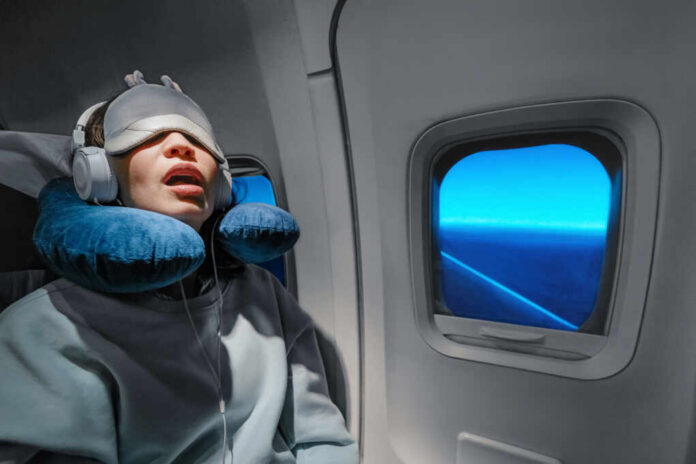
Deep sleep vanishes with age, spiking anxiety by 30% and robbing older adults of nature’s most potent emotional reset.
Story Snapshot
- UC Berkeley study proves deep sleep (non-REM stage 3) restores prefrontal cortex to curb anxiety reactivity.
- One night without deep sleep boosts anxiety 30%; high deep sleep nights deliver strongest relief.
- Deep sleep drops from 20% of sleep in youth to under 5% in elderly, fueling age-related anxiety surge.
- Sleep hygiene trumps pills: free routines restore brain regulation, slashing healthcare costs.
UC Berkeley Discovery Links Deep Sleep to Anxiety Control
UC Berkeley Center for Human Sleep Science researchers Eti Ben Simon and Matthew Walker published findings in 2019. They conducted brain scans and surveys on 50 participants. Deep sleep, or slow-wave non-REM stage 3, reactivates the medial prefrontal cortex. This region dampens emotional overreactions to stress. Participants losing deep sleep one night reported 30% higher anxiety levels the next day. High deep sleep nights correlated with maximum anxiety reduction. The study established causality through controlled sleep deprivation.
Age-Related Deep Sleep Decline Drives Rising Anxiety
Deep sleep constitutes about 20% of total sleep in young adults. This percentage falls below 5% in the elderly, a trend documented since the 1980s. Insufficient deep sleep heightens emotional reactivity by deactivating prefrontal mechanisms. Older adults experience this decline sharply after age 60, with deep sleep often under 10%. Researchers link this drop to 20-50% of anxiety variance in seniors. The global anxiety epidemic, affecting 1 in 5 people, worsens amid sleep disorders impacting 50-70 million Americans.
Brain Mechanisms: Prefrontal Cortex Reactivation
Deep sleep peaks in the first sleep cycles, prioritizing physical repair and emotional reset. Brain scans revealed medial prefrontal cortex deactivation after deep sleep loss. This cortex normally inhibits amygdala-driven fear responses. Sleep deprivation mimics stress by weakening these connections. Surveys confirmed participants felt 30% more anxious post-deprivation. Ben Simon stated deep sleep restores this prefrontal mechanism, lowering reactivity. Walker described it as reorganizing brain connections to decrease anxiety.
Practical Sleep Optimization Outperforms Medications
Consistent bedtimes and routines boost deep sleep without drugs. Avoid caffeine late, maintain cool dark rooms, limit screens. Exercise and daylight exposure enhance sleep quality per expert tips. These low-cost habits restore regulation, cutting daily anxiety short-term. Long-term, they mitigate age-related surges, potentially lowering disorder rates 20-30%. Economic savings hit billions yearly versus $42 billion in U.S. anxiety care.
This Sleep Stage Is Key To Managing Anxiety — But It Declines With Agehttps://t.co/Qse4FEJ0Tk
— Ant (@TheInverseTimes) May 3, 2026
Impacts and Consensus Among Experts
Short-term, deep sleep prioritization reduces anxiety via brain reset. Long-term, it prevents elderly mental health burdens. Affected groups include older adults and anxiety sufferers worldwide. Sleep tech trackers and CBT-I therapies expand. Experts like Harvard Health endorse hygiene alongside treatment. Consensus holds: deep sleep causally cuts anxiety. REM aids stress recovery complementarily, but deep sleep uniquely attenuates it. Small study size calls for replication, yet findings endure without retractions.
Sources:
https://www.medicalnewstoday.com/articles/326926
https://www.health.harvard.edu/mind-and-mood/tips-for-beating-anxiety-to-get-a-better-nights-sleep
https://www.healthpartners.com/blog/sleeping-through-anxiety/