Your brain may handle age-related damage far better than your parents’ did—if what is on your plate quietly trains it to be tougher.
Story Snapshot
- A long-running autopsy study links the MIND diet to higher cognitive resilience even in damaged brains [1][5]
- The diet pattern, not any “magic” superfood, appears to drive the effect [1]
- Observational studies show strong associations; one short trial found no clear benefit yet [1][2]
- Practical food targets today may still be smart “insurance” while stronger trials catch up [1][2][5]
How A Diet Became A Candidate For Brain Armor
Researchers at Rush University followed older adults for years, repeatedly testing their memory, tracking what they ate, and then, after death, examining their brains under the microscope.[1] They were not hunting for a miracle berry; they were asking a tougher question: why do some people stay sharp despite the same plaques and tangles that sink others? The pattern that kept popping up was not a pill, but a way of eating now called the MIND diet.[1][5]
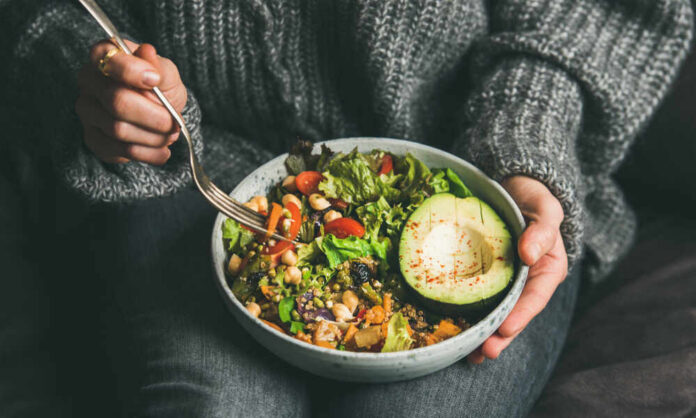
The MIND diet—short for Mediterranean–DASH Intervention for Neurodegenerative Delay—blends two already solid patterns, the Mediterranean and blood-pressure-lowering DASH diets, then tilts them specifically toward brain-protective foods.[2][3] Think piles of leafy greens, daily vegetables, regular berries, nuts, beans, whole grains, fish, and poultry, with olive oil as the workhorse fat.[1][2] Red meat, butter, fried foods, pastries, and full-fat cheese get pushed to the margins, not banned, but treated as guests, not tenants.[2][5]
What The New “Cognitive Resilience” Study Actually Found
The autopsy cohort that sparked the latest headlines included 578 mostly White older adults who had years of cognitive testing while alive, detailed diet questionnaires, and then full brain examinations after death.[1] Scientists scored each person’s adherence to the MIND diet before they died, then compared how well they functioned mentally to how bad their brain damage looked. Higher MIND scores were tied to both better thinking and slower decline than expected for the same level of pathology.[1][5]
Researchers call this gap “cognitive resilience”: your ability to function better than your brain scans suggest you should.[1] People in the top tier of MIND adherence had higher overall cognitive levels and a gentler downward slope over time, even when researchers accounted for Alzheimer’s plaques, tangles, strokes, and other common brain pathologies.[1] The Rush team’s press summary put it plainly: the MIND diet score tracked with better memory and thinking skills independently of those pathologies, hinting that food choices may help the brain cope with damage, not just avoid it.[5]
Pattern Over Pixie Dust: Why No Single Superfood Saves You
The study did something many nutrition papers skip: it asked whether individual foods mattered as much as the overall pattern.[1] The answer should cool down any “eat this one thing” headline. The authors reported that the overall MIND diet score was more strongly related to cognitive resilience than the separate components, meaning that cherry-picking blueberries while eating fast food and pastries is not the winning move.[1]
Other research paints a compatible picture. Earlier work from the same Rush Memory and Aging Project found that people following the MIND diet more closely had slower cognitive decline and better function near the end of life, again beyond what could be explained by brain lesions alone.[1] Independent cohorts reviewed by Harvard’s nutrition group saw dramatically lower rates of Alzheimer’s disease—about 53 percent lower in the highest MIND-score group, and 35 percent lower even for moderate adherers—compared with those who brushed the diet off.[2] For everyday readers, that sounds less like boutique wellness and more like prudent risk management.
Where The Evidence Hits A Wall—And Why That Matters
Nutrition science always hits the same objection: association is not causation.[1][3] The Rush study cannot prove that the MIND diet causes resilience; it shows that they travel together in this group of people.[1] Diet was measured by self-reported food questionnaires over the prior year, which are vulnerable to hazy memory and flattering answers.[3] People already sliding into cognitive trouble may drift toward easier, less healthy eating, making diet look worse when it is partly an effect, not the cause.[3]
The volunteers were predominantly White and willing to donate their brains, a special slice of the population that may not look like your neighbors.[1] And while observational studies consistently look positive, at least one three-year intervention summarized by Harvard did not detect slower cognitive aging from a MIND-style plan.[2] That randomized trial was relatively short and cannot close the book, but it reminds us to keep the hype dial below “guarantee.” A larger, three-year MIND diet trial has been registered to probe this issue more directly, but full results are still emerging.[8]
Practical Takeaways For People Who Want Their Wits To Last
Cautious readers might ask: if the science is not ironclad, why change anything? Because the recommended foods are not exotic or risky, and they line up with what your cardiologist already begs you to do.[1][2][6] The Rush team’s own guidelines are concrete: three servings of whole grains daily; a green leafy vegetable and another vegetable every day; berries at least twice a week; nuts most days; beans every other day; poultry twice a week; fish at least weekly; butter and fried foods rarely.[2][5][6]
This is not about chasing the latest superfood craze. It is about stacking small, controllable habits—home-cooked meals, less sugar, more vegetables, fewer drive-through dinners—that respect both personal responsibility and biological limits. No diet will erase genetic risk or decades of neglect. But a pattern that seems to preserve function even when damage is present is worth considering as one more tool in your kit.[1][2][5] If future trials strengthen the case, you will already be ahead of the curve.
Sources:
[1] Web – The association of MIND diet with cognitive resilience to … – PMC – …
[2] Web – Diet Review: MIND Diet – The Nutrition Source
[3] Web – MIND Diet: A Potential Path to Cognitive Resilience
[5] Web – MIND Diet Linked to Better Cognitive Performance
[6] Web – The MIND Diet May Help Build Cognitive Resilience, Study Shows
[8] Web – NCT02817074 | MIND Diet Intervention and Cognitive Decline