Imagine reclaiming your skin from an invisible enemy that itches relentlessly, flares unpredictably, and defies simple cures—eczema torments 30 million Americans yet bows to targeted knowledge of its seven hidden types.
Story Snapshot
- Eczema strikes 1 in 10 Americans, often starting in infancy with intense itch, redness, and cracked skin that risks infection.
- Seven distinct types demand precise identification, from widespread atopic to blistering dyshidrotic, each with unique triggers.
- Triggers like allergens, stress, and irritants fuel flares; avoidance plus moisturizers and steroids offer frontline control.
- Advanced biologics like dupilumab transform severe cases, while gene discoveries reveal barrier defects at eczema’s core.
Eczema’s Core Symptoms and Chronic Nature
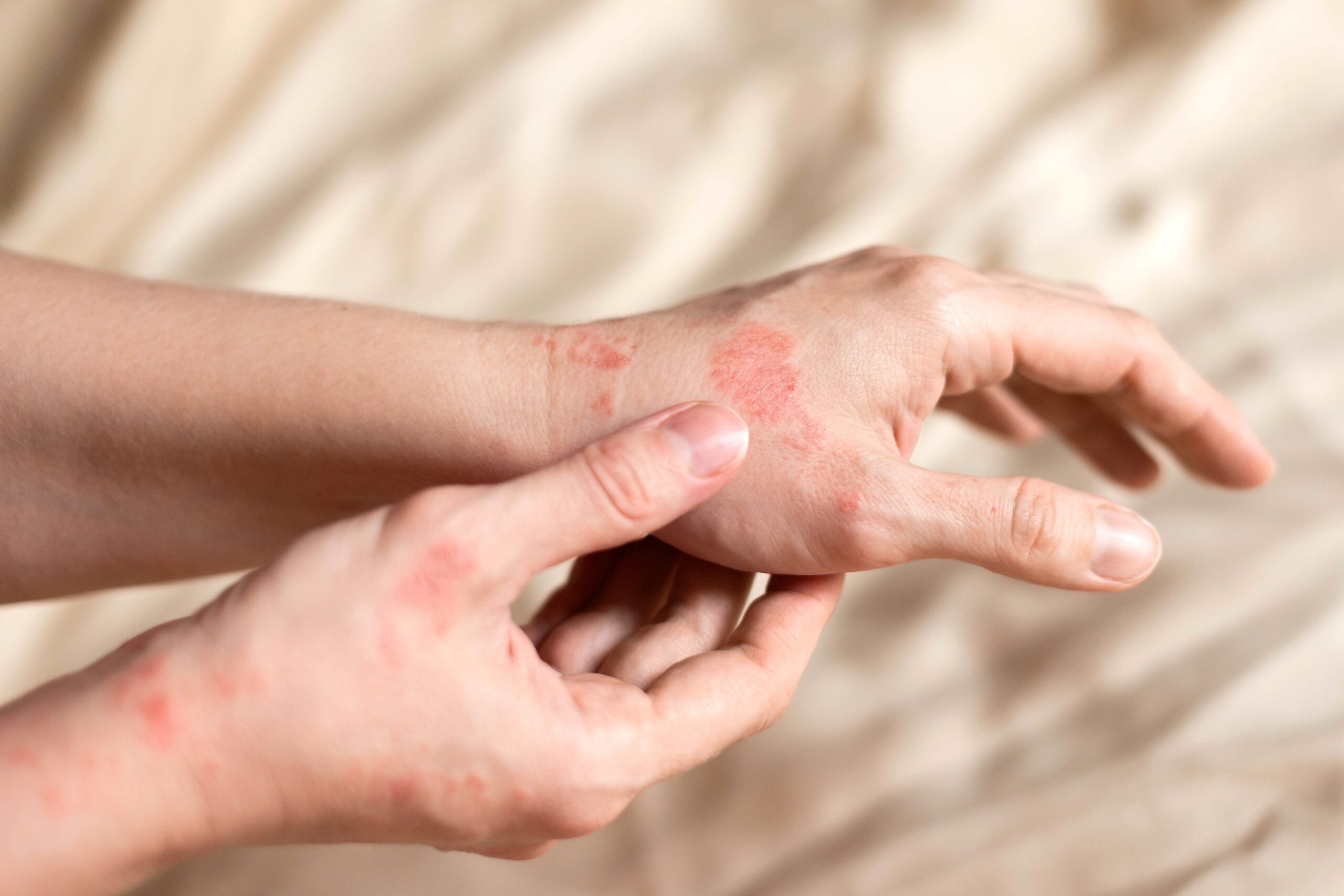
Patients experience intense itching as the hallmark symptom, accompanied by redness, blisters, dry cracked skin, and oozing in flares. Children see onset before age 5 in 70% of cases, with many improving over time, but adults face persistent cycles. Darker skin tones show brown or purple hues instead of red, delaying diagnosis. Scratching worsens the itch-pain cycle, inviting bacterial infections. This non-infectious condition stems from genetic skin barrier flaws and immune overreactions, debunking old contagion myths.
https://www.youtube.com/watch?v=zjhgesoIBgI
Seven Distinct Types Demand Targeted Recognition
Atopic dermatitis covers large body areas, linking to allergies and asthma in the atopic march. Contact dermatitis reacts to irritants or allergens like nickel, with delayed responses up to 48 hours. Dyshidrotic eczema forms tapioca-like blisters on hands and feet from stress, moisture, or metals. Neurodermatitis fixates on itch patches from habitual scratching. Stasis dermatitis arises from poor leg circulation in venous issues. Each type presents uniquely, varying by skin tone and demanding specific diagnosis for effective management.
Breakouts? Let AI guide your skincare plan.
Common Triggers Ignite Personalized Flares
Allergens and irritants provoke contact types, while stress and sweat trigger dyshidrotic outbreaks. Genetics like filaggrin mutations weaken skin barriers, amplified by urbanization and pollutants. Poor circulation fuels stasis eczema in legs. Scratching perpetuates neurodermatitis. Patients track personal culprits—soap, wool, foods—to avoid flares. Common sense dictates logging exposures; conservative values prioritize self-reliance in trigger hunting over endless pills, aligning with evidence that avoidance prevents escalation.
Experts at Yale and Mayo stress these factors, noting microbiome roles in recent studies. Identification empowers families, reducing reliance on pharma while respecting FDA-approved innovations.
Free consultation for acne and rosacea.
Proven Treatments Restore Skin Barrier Control
Moisturizers lock in hydration daily, forming the foundation. Topical steroids calm inflammation quickly, but patients rotate strengths to avoid thinning. Trigger avoidance slashes flare frequency. Severe atopic cases respond to biologics like dupilumab, approved in 2017, blocking itch signals. JAK inhibitors provide rapid 2020s relief. Antibiotics clear infections from scratching. Tele-dermatology aids remote monitoring. Facts support stewardship: use strong meds sparingly, favor natural barriers, embodying American self-determination in health.
https://www.youtube.com/watch?v=VMDCADCKY3c
Stakeholders like the National Eczema Association and AAD guide these protocols, funding research while pharma innovates under regulation.
Impacts and Path to Patient Empowerment
Flares disrupt sleep, work, and school, costing over $5 billion yearly in treatments and lost productivity. Long-term scarring and anxiety burden patients, especially those in high-risk jobs like healthcare. Advocacy fights stigma and insurance gaps for biologics. Dermatology grows, influencing allergy research. Patients empower themselves by mastering types and triggers, turning chronic frustration into managed reality. Conservative wisdom values personal responsibility here—identify, avoid, treat judiciously—over victimhood narratives.
Smarter skin care powered by AI.
Sources:
NCBI: Eczema Overview
Yale Medicine: Eczema Conditions
Healthline: Types of Eczema
National Eczema Association: Types of Eczema
Asheville Dermatology: Types of Eczema
NHS: Atopic Eczema
Mayo Clinic: Dermatitis/Eczema Symptoms and Causes
Cleveland Clinic: Eczema
AAD: Atopic Dermatitis