Most dietitians harbor fiber secrets that could revolutionize your health, yet they rarely share their personal go-to choices until pressed for specifics.
Story Snapshot
- Eleven credentialed dietitians reveal their personal high-fiber food favorites, ranging from 2 to 13.5 grams per serving
- Featured foods include exotic choices like taro and edamame alongside familiar options like pears and avocados
- Each recommendation combines fiber content with additional health benefits like complete proteins and omega-3 fatty acids
- Professionals emphasize practical preparation methods and serving sizes for immediate implementation
The Exotic Fiber Champions Hiding in Plain Sight
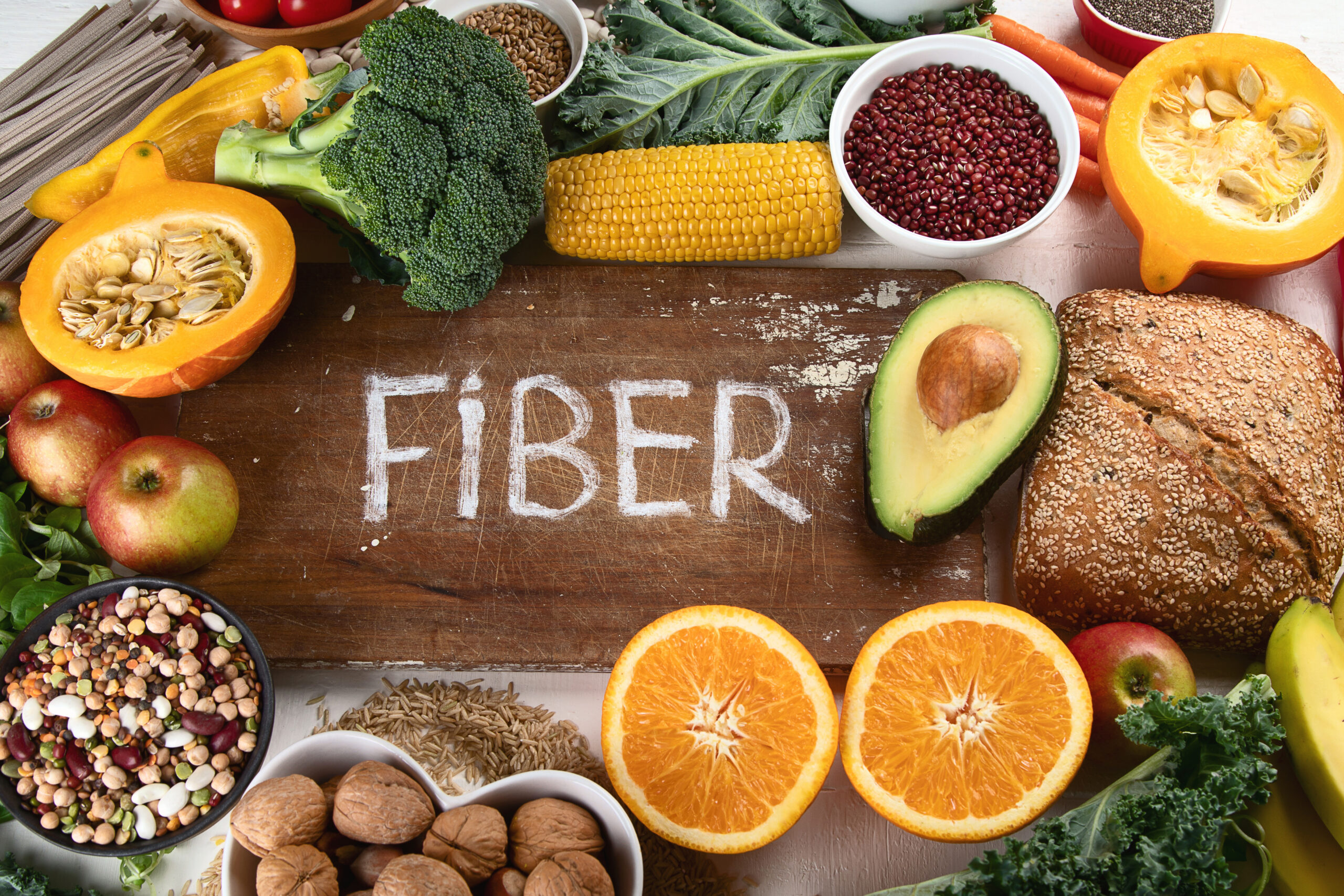
Registered dietitians consistently reach for foods most Americans overlook entirely. Kari Hamrick, Ph.D, RD, LD, CD, consumes edamame daily for its remarkable 8 grams of fiber per cup, plus 18 grams of complete protein containing all nine essential amino acids. Kay Lee, RDN, CDCES, champions taro as her daily staple, delivering 6.75 grams of fiber per cooked cup along with resistant starch that functions like fiber for gut health and weight management.
These professionals understand that fiber content alone tells only half the story. Brittany Poulson, M.D.A, RDN, CDCES, recommends flaxseeds specifically for their 2 grams of fiber per tablespoon combined with omega-3 alpha-linolenic acid and lignans that reduce inflammation. The strategic thinking behind these choices reveals how nutrition experts maximize every bite for multiple health benefits.
Tired of diets that don’t work? Get a personalized plan in minutes.
The Surprising Truth About Familiar Fiber Sources
Even common foods deliver fiber surprises when dietitians explain their selections. Lauren O’Connor, M.S., RDN, RYT, advocates for whole avocados containing 13.5 grams of fiber alongside heart-healthy monounsaturated fats and plant sterols. A single medium pear provides 5.5 grams of fiber plus vitamin C, potassium, and antioxidants that most people never consider when grabbing this simple fruit.
Umo Callins, M.S., RD, CSSD, LD, CPT, selects Medjool dates for their 6.5 grams of fiber per four pitted dates, emphasizing their low glycemic index for blood sugar management despite natural sweetness. Raspberries pack 8 grams of fiber per cup while delivering powerful antioxidants including vitamin C. These choices demonstrate how nutrition professionals think beyond basic nutritional labels.
Safe science based weight loss, no guesswork.
The Strategic Implementation Methods Professionals Actually Use
Credentialed dietitians focus heavily on practical preparation and integration strategies rather than simply listing high-fiber foods. Jane Leverich, M.S., RDN, emphasizes chickpeas for providing approximately 78% of daily manganese needs per cup while delivering plant-based protein and multiple vitamins. Steel-cut oats receive preference over instant varieties for breakfast applications, often combined with chia seeds in overnight preparations.
The professionals consistently recommend specific serving sizes and preparation methods that maximize fiber absorption while minimizing digestive discomfort. Their approach involves gradual integration of high-fiber foods rather than dramatic dietary overhauls. This methodology reflects clinical experience with patients who attempt rapid dietary changes only to experience digestive issues that derail long-term compliance with healthier eating patterns.
Discover modern medical weight loss, start free.
Sources:
Academy of Nutrition and Dietetics – Easy Ways to Boost Fiber in Your Daily Diet
AOL – Dietitians Told Me Their Go-To High-Fiber Foods
Dietary Guidelines – Food Sources of Fiber
Mayo Clinic – High-Fiber Foods