Omega-3 fatty acids, drastically underconsumed in modern diets, quietly douse the flames of chronic inflammation ravaging American health.
Story Snapshot
- Modern Western diets skew omega-6 to omega-3 ratios to 14-25:1, far from ancestral 2:1 balance fueling low-grade inflammation.
- Saturated fats mimic bacterial toxins, spiking inflammatory markers like CRP, IL-6, and TNF-α; omega-3s counter this effectively.
- Replacing saturated fats with omega-3-rich sources like fatty fish reduces inflammation markers, especially in overweight individuals.
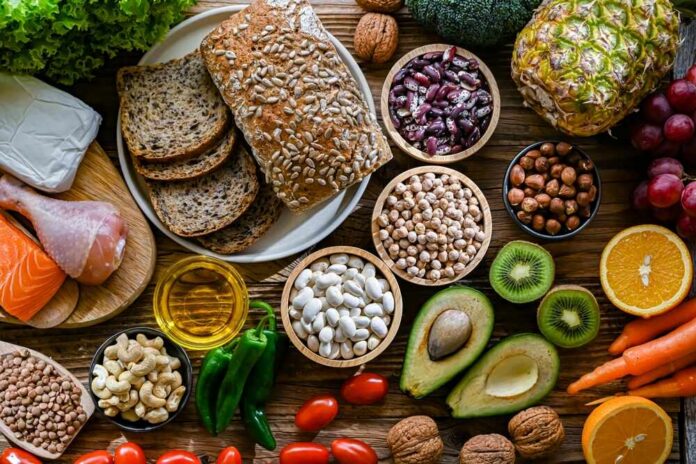
- Whole diets like Mediterranean, emphasizing 2-3 weekly fish servings, outperform isolated supplements for anti-inflammatory benefits.
Omega-3s: The Underconsumed Fat Revolutionizing Inflammation Control
Omega-3 polyunsaturated fatty acids, particularly EPA and DHA from fatty fish, stand out as the underconsumed fat with potent anti-inflammatory effects. Modern Western diets provide 14-25 times more omega-6 than omega-3, inverting the ancestral 2:1 ratio. This imbalance drives chronic low-grade inflammation linked to obesity and cardiovascular disease. Research aggregates show omega-3s reduce markers like CRP, IL-6, and TNF-α by producing specialized pro-resolving mediators.
Saturated Fats Ignite Inflammation Through Endotoxin Mimicry
Saturated fats in meats, dairy, coconut, and palm oils promote inflammation by structurally resembling bacterial lipopolysaccharide, or LPS. These fats elevate TNF-α, IL-1, and IL-6 via immune activation and gut endotoxin translocation after high-fat meals. Post-2000s studies shifted views from all fats being bad to specific fatty acid effects. Mouse models using CD14-deleted strains confirmed high-fat diets trigger LPS-like responses; human trials echo this.
Historical Shift from Fat Phobia to Fatty Acid Precision
Early 2000s research overturned blanket anti-fat dogma, pinpointing saturated fats and trans fats as culprits in postprandial inflammation. 2010s trials demonstrated SFA-rich diets raise biomarkers, while omega-3 interventions like fish oil lower them, particularly in obesity. Ancestral diets maintained omega-6:3 balance; today’s vegetable oil-heavy patterns do not. Anti-inflammatory diets stress context: whole foods over isolates.
Omega-6 PUFAs like linoleic acid lack systematic pro-inflammatory evidence despite past fears. Excess relative to omega-3s disrupts balance, but reviews clear them of direct harm.
Stakeholders Driving Evidence-Based Dietary Change
NIH and PMC researchers like Calder lead trials on fat-inflammation links, motivated by preventing CVD and obesity. Health organizations including VA Whole Health and Healthline translate findings into guidelines limiting SFAs while boosting omega-3s. Dietitians such as Kristin Morrow balance evidence with whole-diet advice. Academia informs agencies; evidence trumps industry hype promoting supplements over fish.
Fatty fish producers and supplement makers gain from omega-3 promotion, but FDA regulation curbs overclaims. Power dynamics favor peer-reviewed consensus, ensuring guidelines prioritize 2-3 weekly fatty fish servings in Mediterranean-style eating.
Current Research and Persistent Underconsumption Challenges
As of 2026, 2010s findings hold: high-PUFA diets like Nordic and Mediterranean cut CRP and IL-6 more than isolated fats. Guidelines recommend one-quarter of fats from PUFAs, favoring n-3 over n-6. Weight loss paired with PUFA swaps yields modest gains. Trials confirm whole diets surpass single nutrients; plant fats from nuts add minor benefits. Omega-3 scarcity endures in Western eating.
Impacts: From Personal Health to Economic Shifts
Short-term, omega-3 meals curb post-meal inflammation spikes, dropping CVD risk via lower CRP in overweight people. Long-term, reduced chronic inflammation aids obesity and heart disease management, synergizing with fiber and fruits. Overweight communities benefit most from SFA sensitivity. Economically, fish and nut markets grow; healthcare saves on inflammation diseases. Policies push balanced nutrition over extremes.
Sources:
PMC/NIH review on fatty acid-inflammation links
KB Wisc on dietary fats and inflammation
VA Whole Health on eating to reduce inflammation
Healthline anti-inflammatory diet guide
PMC meta-analysis on PUFAs and inflammation in obesity
Artah on dietary drivers of inflammation