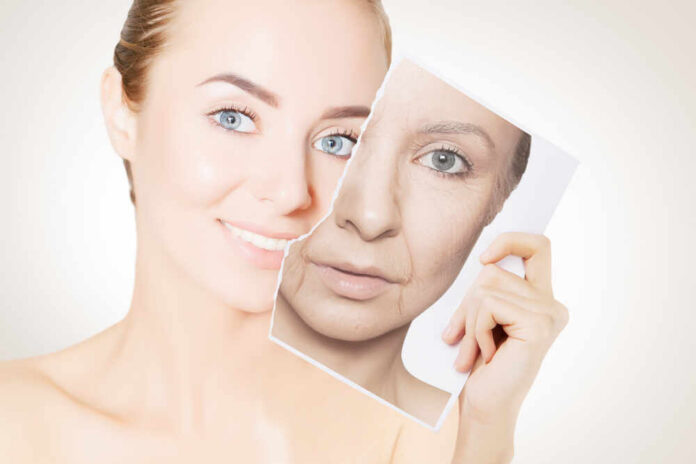
Your skin could transform from dull and saggy to clear and firm simply by swapping three everyday eating habits—no creams required.
Story Snapshot
- Antioxidant-rich foods neutralize free radicals for radiant clarity.
- Omega-3 fats from fish and avocados boost elasticity and tame inflammation.
- Vitamin C and probiotics build collagen while balancing the gut-skin axis.
- Ancient diets prove these habits outlast fleeting skincare fads.
Three Core Habits for Skin Transformation
Antioxidant-rich foods combat oxidative stress that dulls skin and sparks acne. Berries, greens, and nuts deliver polyphenols and vitamins fighting free radicals daily. Research traces this to Mediterranean diets sustaining clear complexions for centuries. Modern studies confirm these nutrients reduce inflammation markers in weeks, revealing smoother texture without processed sugars disrupting hormones. Ditch the candy aisle; stock blueberries instead.
Omega-3 healthy fats hydrate skin from within and preserve firmness. Salmon, avocados, walnuts, and flaxseeds strengthen the barrier against moisture loss. A 2022 pilot study found daily avocados improved elasticity after eight weeks in participants. Dermatologists at Cleveland Clinic affirm fish oils protect collagen from breakdown, countering UV damage. Vegans thrive on chia seeds, aligning practical choices with evidence-based results.
Historical Roots in Ancient Wisdom
Mediterranean populations ate fish, veggies, and olive oil for longevity and glowing skin long before labs confirmed why. Twentieth-century discoveries pinpointed vitamin C’s collagen role in the 1930s. Omega-3 trials from the 1990s slashed acne and psoriasis symptoms. Probiotic links emerged in the 2010s, tying gut dysbiosis to eczema. Post-COVID, food-as-medicine surged, validating low-glycemic shifts against sugar-driven oil production.
Acne plagues 85% lifetime, fueled by processed diets spiking insulin. Aging worries amplify as elasticity fades. These habits intervene at the root via ingestibles, not topicals. Plant-based options like flax gain ground globally, making firmness accessible.
Stakeholders Driving the Consensus
Dermatologists from Hazan Dermatology, Orlando Dermatology Center, and Cleveland Clinic prescribe these diets to cut clinic visits and boost outcomes. Researchers behind the avocado study publish mechanisms preserving collagen for citations and grants. Healthline and Piedmont Healthcare synthesize data into recipes, though commercial sites risk overstating absent rigorous trials. Influencers prep salmon salads, amplifying reach.
FDA watches supplement claims indirectly. Clinics wield credibility; collaborations like Healthline citing studies expand influence. This power dynamic prioritizes patient results over profits, resonating with American values of personal responsibility in health.
Current Consensus and 2026 Trends
As of 2026, gut-skin probiotics dominate microbiome research without contradictions. Hybrid low-glycemic plus omega-3 habits trend for stubborn acne. Cleveland Clinic states omega-3s firm collagen; Healthline spotlights fatty fish for supple UV protection. Blogs push chia puddings and AI personalization, focusing implementation over breakthroughs.
Short-term gains hit in weeks: less acne via omega-3s, better hydration. Long-term, vitamin C sustains collagen, slashing aging risks and eczema odds. Acne sufferers and boomers benefit most; vegans access flax easily. Sales of fish and nuts rise, skincare budgets fall. Clean eating empowers without shaming, challenging topical markets.
Expert Views Align on Mechanisms
Orlando Center experts link probiotics and veggies to clear complexions through gut health. Healthline cites avocados enhancing elasticity and peppers fueling vitamin C collagen. Piedmont urges sugar limits for complexion. Consensus holds strong; low-glycemic edges probiotics for some acne cases per specialists. Plant advocates favor flax over fish, broadening access.
Uncertainties linger: optimal avocado dosing from small studies, genetic variability in responses. More randomized trials beat observational data, but core claims validate across sources. Hydration supports as secondary boost.
Sources:
The Role of Diet in Healthy Skin: What to Eat for Glowing Skin
Exploring the Link Between Diet and Skin Health: What to Eat for a Clear Complexion
The Clear Skin Diet: What to Eat and What to Avoid for Healthy Skin
Diet and Acne: Foods to Avoid and Eat for Clear Skin
What to Eat and Drink for Healthy Skin