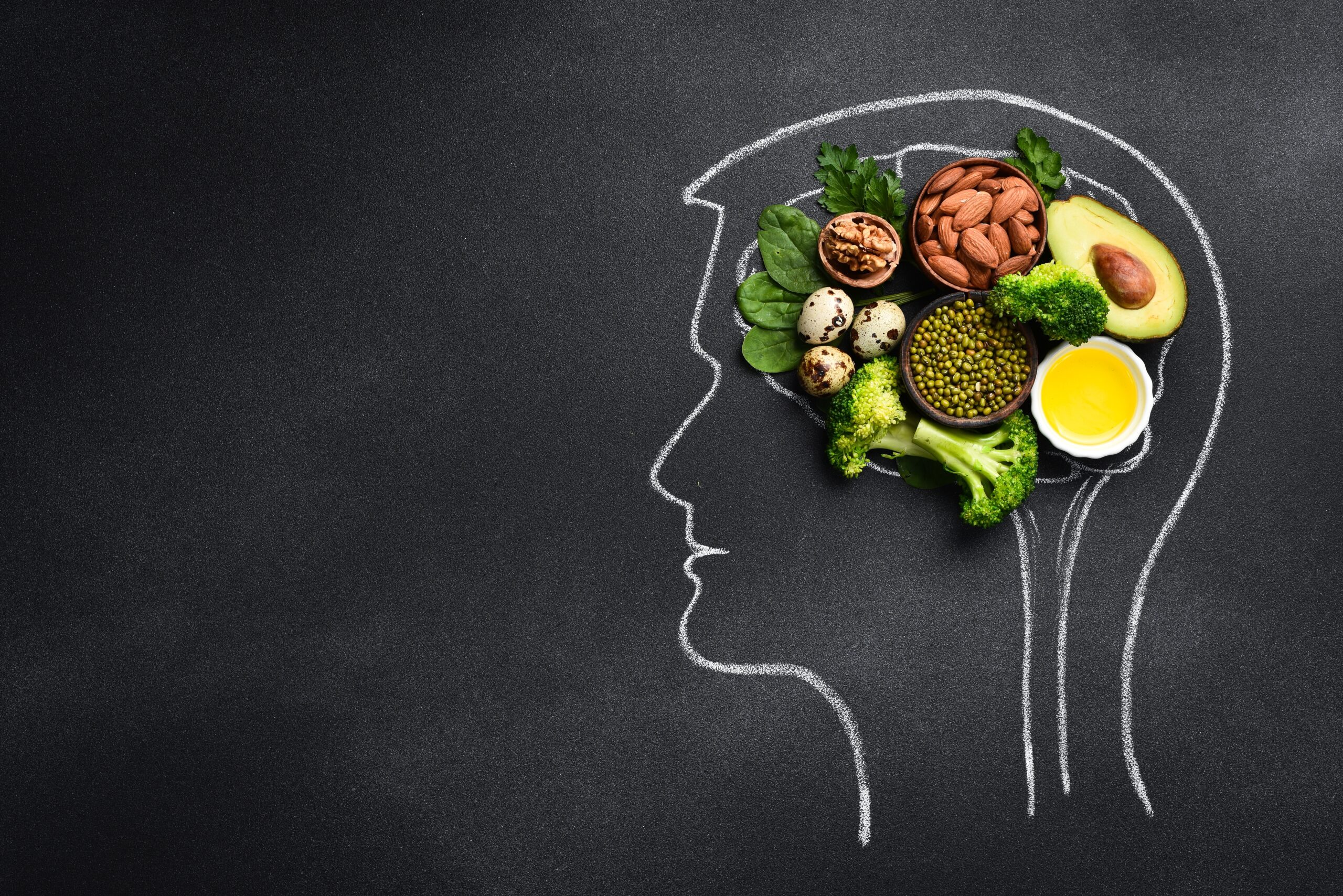
Your brain’s clarity depends more on your grocery choices than you might think, and dietitians have pinpointed six specific foods that can transform mental fog into razor-sharp focus.
Story Snapshot
- Dietitians identify six key food categories that combat brain fog through anti-inflammation and antioxidant mechanisms
- Omega-3 rich foods like salmon and walnuts lead recommendations, backed by two decades of cognitive research
- Post-COVID brain fog awareness since 2020 has driven renewed focus on dietary solutions over pharmaceutical approaches
- Accessible options like berries, eggs, and dark chocolate make brain-boosting nutrition achievable for most budgets
- Recent 2025 guidance expands traditional lists to include green tea, pumpkin seeds, and hydration-rich produce
The Cognitive Crisis Hiding in Plain Sight
Brain fog transformed from medical curiosity to household complaint over the past fifteen years. What started as symptom discussions in Lyme disease and chronic fatigue communities exploded into mainstream consciousness when COVID-19 left millions struggling with poor focus, memory lapses, and exhausting mental fatigue. The pandemic didn’t create brain fog, but it certainly pulled back the curtain on how vulnerable our cognitive machinery really is. Dietitians and nutritionists responded by distilling decades of research into practical food lists, steering people toward kitchen solutions rather than pharmacy aisles.
https://www.youtube.com/watch?v=w2nwEOTLRsQ
Six Foods That Build Mental Clarity
The consensus among dietitians centers on omega-3 fatty acids as the foundation of brain fog prevention. Salmon, walnuts, and chia seeds deliver DHA and EPA that reduce inflammation and support neuron communication. Studies from the early 2000s through 2025 consistently link these fats to improved memory and mood regulation. Mass General Brigham’s Dr. Tanzi emphasizes that fatty fish provides the very building blocks your brain cells use to function, while Kaplan Center dietitians note that omega-3s specifically combat the inflammatory processes that cloud thinking.
Berries earn their spot through flavonoids, particularly anthocyanins that delay cognitive decline. Blueberries dominate research discussions, with Mayo Clinic citing their antioxidants as dementia-delaying powerhouses. The broader “rainbow” approach includes colorful produce rich in quercetin, onions, cranberries, and bell peppers that scavenge free radicals attacking brain tissue. Dark chocolate joins this category through cocoa flavonols that enhance blood flow to the brain, though dietitians specify choosing varieties with minimal added sugar to avoid the glucose crashes that worsen fog.
Tired of diets that don’t work? Get a personalized plan in minutes.
The Supporting Cast of Cognitive Nutrition
Leafy greens and eggs round out the traditional recommendations through different mechanisms. Spinach, kale, and broccoli deliver vitamins B, E, and K alongside sulforaphane, an anti-inflammatory compound dietitian Simmons highlighted in 2025 analyses. The Journal of Nutrition, Health, and Aging research confirms that people consuming more leafy greens show measurably better cognitive performance. Eggs contribute choline, which converts to acetylcholine, a neurotransmitter essential for memory formation. This makes them particularly valuable for aging adults facing natural cognitive decline.
https://www.youtube.com/watch?v=gZYAZAnKZzk
The sixth category receives less glamorous attention but proves equally critical: hydration. Dehydration sabotages concentration faster than most nutritional deficiencies, yet Americans chronically under-consume water. Dietitians recommend both direct water intake and watery produce like tomatoes, cucumbers, and melons. Recent 2025 guidance expands this foundation with green tea for L-theanine, pumpkin seeds for magnesium, and whole grains for steady glucose supply. The Oncology Dietitian specifically notes that cancer survivors battling chemo brain benefit from complex carbohydrates that prevent the blood sugar swings mimicking fog symptoms.
Safe science based weight loss no guesswork.
From Research Lab to Kitchen Table
The dietary recommendations rest on research spanning nutrition science’s modern era. Omega-3 studies gained traction in the early 2000s, while flavonoid trials emerged around 2010 alongside dementia prevention efforts. The MIND diet, launched in 2015 by blending Mediterranean and DASH eating patterns, validated many foods now standard in brain fog guidance. What distinguishes current advice is its accessibility focus. Unlike pharmaceutical interventions requiring prescriptions and monitoring, these foods appear in standard grocery stores at price points manageable for most households. Oats, eggs, and frozen berries cost less than specialty supplements marketed for cognitive enhancement.
The post-2020 landscape added urgency to these conversations. COVID-related cognitive symptoms affected people across age groups, not just elderly populations historically associated with memory concerns. Dietitians found themselves fielding questions from previously healthy thirty-somethings suddenly unable to concentrate through work meetings. This democratized brain fog and shifted it from niche chronic illness forums to Prevention magazine features and hospital system blogs. The food recommendations remained consistent with pre-pandemic guidance, but the audience expanded dramatically. Cancer survivors, long-haul COVID patients, and stressed professionals all discovered the same nutritional principles applied to their mental clarity struggles.
Find out if GLP 1 medication is right for you.
Practical Application Meets Real-World Constraints
Dietitians package these findings into actionable advice: add a handful of walnuts to morning oatmeal, swap afternoon candy for dark chocolate squares, include salmon twice weekly, pile spinach onto sandwiches, scramble eggs with vegetables, sip green tea instead of soda. The “six foods” framing provides memorable structure without overwhelming people already battling mental fatigue. This practical angle distinguishes dietitian guidance from academic papers listing dozens of beneficial compounds. People facing brain fog struggle with decision-making by definition; they need simple starting points, not comprehensive nutrient databases.
The approach aligns with conservative principles of self-reliance and personal responsibility. Rather than demanding government intervention or pharmaceutical solutions, these recommendations empower individuals to improve their cognitive health through informed choices. The foods support American agriculture, particularly fishing industries and berry farmers, while reducing healthcare costs by preventing decline rather than treating it. Public health campaigns promoting these dietary patterns cost less than managing dementia’s later stages. This makes brain fog prevention through nutrition a rare area where progressive health advocacy and conservative fiscal responsibility find common ground.
Sources:
Foods to Clear Your Brain Fog – Kaplan Center
How to Get Rid of Brain Fog – The Oncology Dietitian
Foods That Improve Memory – Mass General Brigham
Foods for Brain Health – Prevention
Maximize Memory Function with a Nutrient-Rich Diet – Mayo Clinic Health System
Beat Brain Fog with What You Eat – PHPNI