Frozen turkey chili packs just 170 mg of sodium yet slashes blood pressure like prescription meds—dietitians prove the freezer aisle hides your next heart savior.
Story Highlights
- Dietitians spotlight six frozen stars under 600 mg sodium per serving to tame hypertension in busy lives.
- Cutting 1,000 mg sodium daily drops blood pressure 5-6 mmHg, per CDC models, rivaling drugs.
- Brands like Magic Kitchen deliver meals at 400 mg sodium, fueling a $5B market boom.
- Frozen salmon and veggies retain nutrients, offering omega-3s and fiber for vessel health.
Hypertension Crisis Hits Freezer Aisles
Hypertension strikes one in three U.S. adults, tying directly to excess sodium, CDC reports confirm. Dietitians Toby Amidor and Niki Jackson target frozen foods under 600 mg sodium per serving, matching FDA healthy labels. These picks counter processed traps in grocery freezers. Americans consume 3,400 mg sodium daily; slashing it aligns with DASH diet roots from the 1990s. Busy families grab convenience without sacrificing heart health.
https://www.youtube.com/watch?v=1_a9b50tWcY
Top Six Dietitian-Approved Frozen Picks
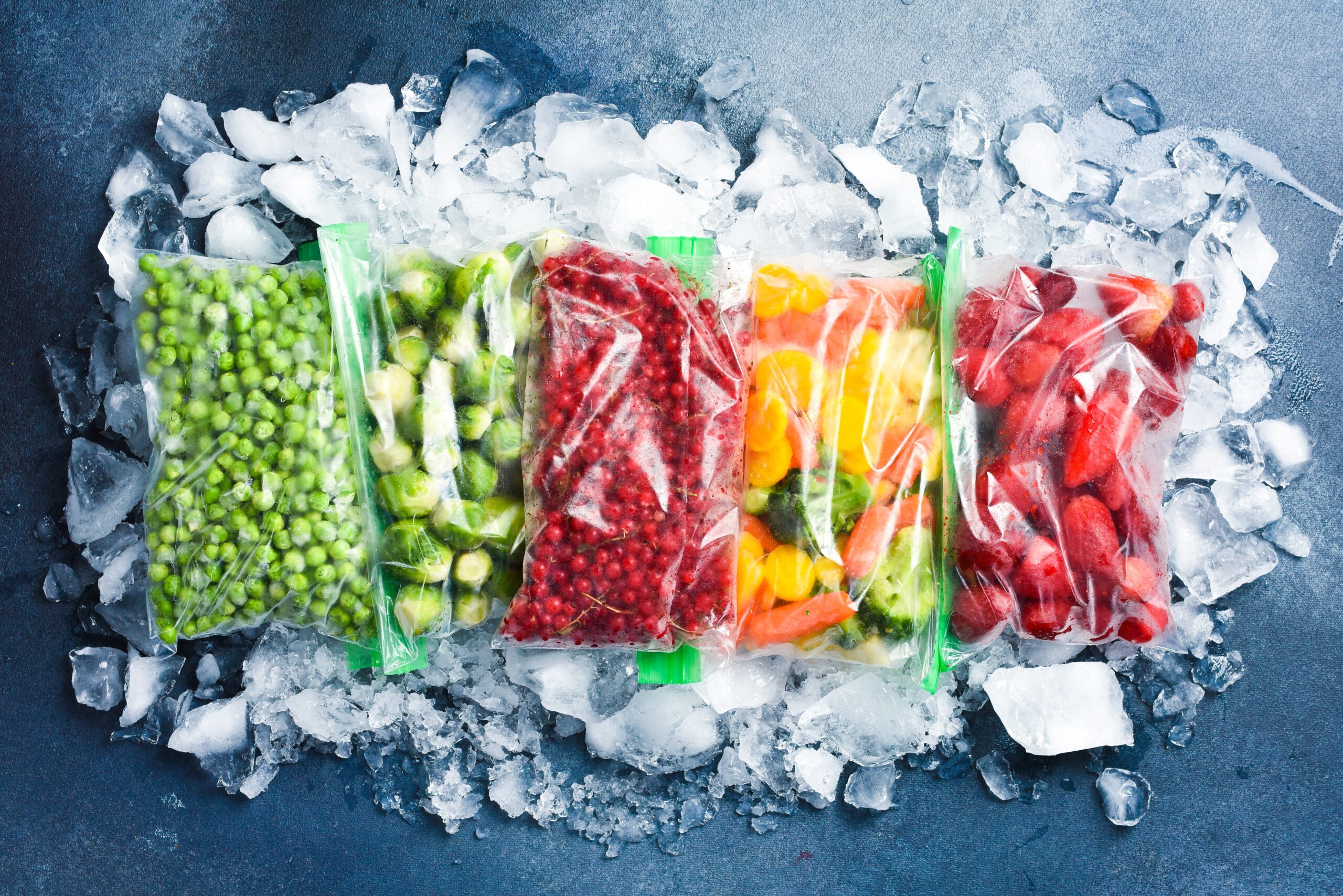
Magic Kitchen turkey chili leads with 170 mg sodium, packing lean protein and fiber for satiety. Frozen vegetables like spinach and broccoli deliver potassium without added salt, relaxing blood vessels. Berries and fruits lock in antioxidants, beating fresh produce nutrient loss. Fatty fish such as salmon provides omega-3s that combat inflammation, cardiologist Pianko notes. Low-sodium pizzas and plant-based meals round out the list under 600 mg.
Routhenstein endorses veggie-packed pizzas; Dawkins favors frozen produce over scarce fresh options. These choices prioritize minimal processing, boosting adherence for 120 million hypertension patients.
Tired of diets that don’t work? Get a personalized plan in minutes.
Science Backs Sodium Cuts in Frozen Form
AHA campaigns since the 2010s prove 1,000 mg daily sodium reduction lowers pressure 5-6 mmHg short-term. Long-term, risks of heart disease and stroke drop 20-30%, CDC models show. Frozen formats retain vitamins through flash-freezing, Clarence Birdseye’s 1920s innovation perfected. Fiber from these foods aids vessel relaxation; omega-3s fight oxidative damage. Common sense demands label checks—avoid high-sodium imposters from past labeling scandals.
https://www.youtube.com/watch?v=RqfDgXD5nnM
Post-COVID, frozen sales surged 20-30% as home cooking rose. This shift amplifies access for low-income groups hit hardest by hypertension.
Safe science based weight loss no guesswork.
Stakeholders Drive Low-Sodium Revolution
CDC, AHA, and FDA set 600 mg thresholds and certify Heart-Check products. Brands like LifeSpring and Easy Home Meals craft keto and plant-based lines at $11-15 per serving. Dietitians partner for endorsements, guiding consumer demand. Patients wield market power through purchases, pressuring reformulations. FDA’s 2018 pledges advanced industry cuts, aligning profits with public health.
Black and Hispanic communities, with higher prevalence, gain most from affordable freezer staples. Economic boosts hit $5B in frozen meals, per market data.
Reach your goals with AI guided medical insight.
Sources:
https://www.healthline.com/health/food-nutrition/low-sodium-frozen-meals
https://www.lifespringhomenutrition.com/what-are-the-healthiest-frozen-meals/
https://parade.com/health/worst-frozen-food-for-heart-health-according-to-registered-dietitians
https://www.easyhomemeals.com/cooking-tips-inspiration/heart-smart-eating-with-frozen-refrigerated-foods/
https://www.fox5atlanta.com/news/doctor-says-you-have-high-blood-pressure-here-are-the-healthiest-foods-to-buy
https://www.aol.com/articles/cardiologist-nutrition-researcher-share-top-020639727.html