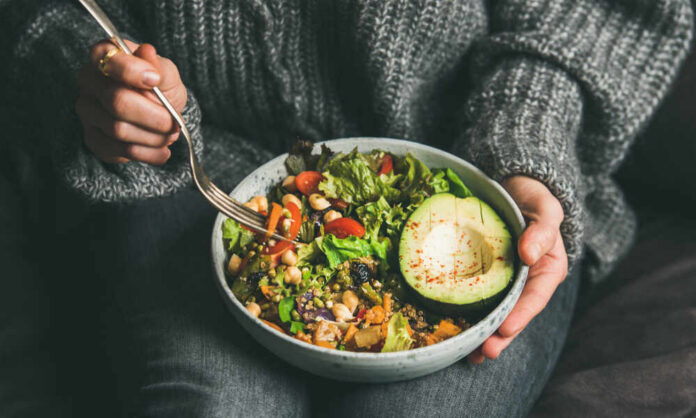
That innocent apple you just crunched through or those “healthy” beans you dumped into your lunch salad are about to turn your digestive tract into a methane factory.
Story Snapshot
- Sixteen common foods trigger excessive gas through fermentation of non-digestible carbohydrates in the large intestine, producing hydrogen, methane, and carbon dioxide.
- Cruciferous vegetables, beans, fruits high in fructose, dairy products, and onions rank among the worst offenders due to complex sugars like raffinose and fructans that resist breakdown.
- Sixty-eight percent of people globally experience lactose intolerance, making dairy a universal gas trigger for most adults.
- Gradual fiber increases, digestive enzymes, and low-FODMAP diet trials help minimize bloating without sacrificing nutritional benefits.
- Individual tolerance varies wildly based on gut microbiome composition, stress levels, and pre-existing conditions like IBS.
Why Your Healthy Diet Is Betraying You
The cruel irony of modern nutrition advice reveals itself every time you follow dietary guidelines. Doctors preach fiber, vegetables, and legumes as health cornerstones, yet these same foods transform your intestines into a gas production facility. Dr. Christine Lee from Cleveland Clinic explains the mechanism plainly: fiber reaches the large intestine intact, where gut bacteria feast on it, releasing gases as metabolic waste. The process occurs in everyone, but intensity varies based on individual microbiome composition. Those Brussels sprouts lauded in wellness magazines contain raffinose, a complex sugar human digestive enzymes cannot break down, leaving bacteria to ferment it vigorously.
The Science Behind the Smell
Complex carbohydrates stage a rebellion in your colon. Raffinose lurks in beans, broccoli, and cabbage. Fructans hide in onions and garlic. Fructose concentrates in apples, pears, and peaches. Sorbitol pervades sugar-free gums and candies. These compounds share a stubborn resistance to small intestine digestion, passing through to the colon where bacterial colonies attack them with fermentation enzymes. University of Washington research from 2002 established that high-fiber diets inevitably increase gas production, a biological certainty rather than a dietary failure. The sulfurous stench accompanying bean consumption comes from hydrogen sulfide, a bacterial byproduct that escapes through the only available exit.
16 Foods That Make You Fart All the Time https://t.co/LWwlQOMV6X pic.twitter.com/dHfxiA3jwx
— Healthy Hoss 🍎 (@HealthyHoss) March 8, 2026
Dairy’s Double Cross and Hidden Triggers
Lactose intolerance affects two-thirds of humanity, yet milk products saturate Western diets. Adults naturally lose lactase enzyme production after weaning, rendering dairy sugars indigestible for most people beyond childhood. Yogurt, cheese, and milk ferment in the gut just like beans, producing bloating and flatulence that many attribute to other causes. Carbonated beverages add another dimension by introducing carbon dioxide directly into the digestive tract, while artificial sweeteners like sorbitol and xylitol draw water into intestines and fuel bacterial fermentation simultaneously. Fatty foods compound the problem by slowing overall digestion, giving gas more time to accumulate before release.
The Sixteen Usual Suspects
Beans and lentils top every gastroenterologist’s list due to concentrated raffinose levels. Cruciferous vegetables including broccoli, cauliflower, cabbage, and Brussels sprouts follow closely. High-fructose fruits such as apples, pears, peaches, and prunes rank third. Dairy products claim fourth place. Onions and garlic secure fifth position through fructan content. Whole grains and wheat-based products contribute significant fiber loads. Carbonated sodas inject gas directly. Fatty fried foods delay digestion. Artificial sweeteners ferment aggressively. Starchy potatoes and corn produce considerable gas except for rice, which uniquely escapes bacterial fermentation. Sugar-free gum and candy deliver sorbitol in concentrated doses. Figs and chestnuts bring dense fiber matrices. Asparagus and artichokes add inulin to the mix. Nuts and peas round out the roster with protein-fiber combinations that bacteria love.
Managing Gas Without Sacrificing Nutrition
Elimination diets strip away essential nutrients along with embarrassment. Dr. Kam Capoccia from University of Washington Pharmacy recommends gradual fiber increases, allowing gut bacteria populations to adapt over weeks rather than days. Alpha-galactosidase enzymes derived from mold break down raffinose before bacteria access it, reducing gas from beans and cruciferous vegetables when taken with meals. Low-FODMAP diets, developed through Cedars-Sinai research in the 2010s, temporarily restrict fermentable carbohydrates to identify specific triggers, then reintroduce foods systematically. Registered dietitian Alissa Palladino cautions against eliminating nutritious foods without professional guidance, as the health benefits of fiber, vegetables, and fruits vastly outweigh social discomfort from temporary gas.
Individual Tolerance Determines Your Experience
Gut microbiome composition varies as distinctly as fingerprints. Some people digest beans without incident while others bloat from a single serving. Stress increases air swallowing, adding mechanical gas to bacterial production. Food intolerances beyond lactose including fructose malabsorption affect millions undiagnosed. The International Foundation for Gastrointestinal Disorders notes that portion sizes matter enormously, with small amounts of trigger foods often passing unnoticed while large servings overwhelm digestive capacity. Cooking methods alter fiber structure, making steamed vegetables less problematic than raw. Soaking beans overnight and discarding the water removes some raffinose. These adjustments let you keep nutritious foods in rotation without constant bloating, balancing health gains against digestive comfort through experimentation and careful observation of personal reactions.
Sources:
Healthline – Foods That Cause Gas
Men’s Health – 16 Foods That Make You Fart
Everlywell – Foods That Cause Gas
University of Washington – Foods With Complex Sugars Create Gas
IFFGD – Foods That May Cause Gas
NIDDK – Gas in the Digestive Tract
GastroConSA – Gas and Bloating
Cedars-Sinai – Gas in the Digestive Tract