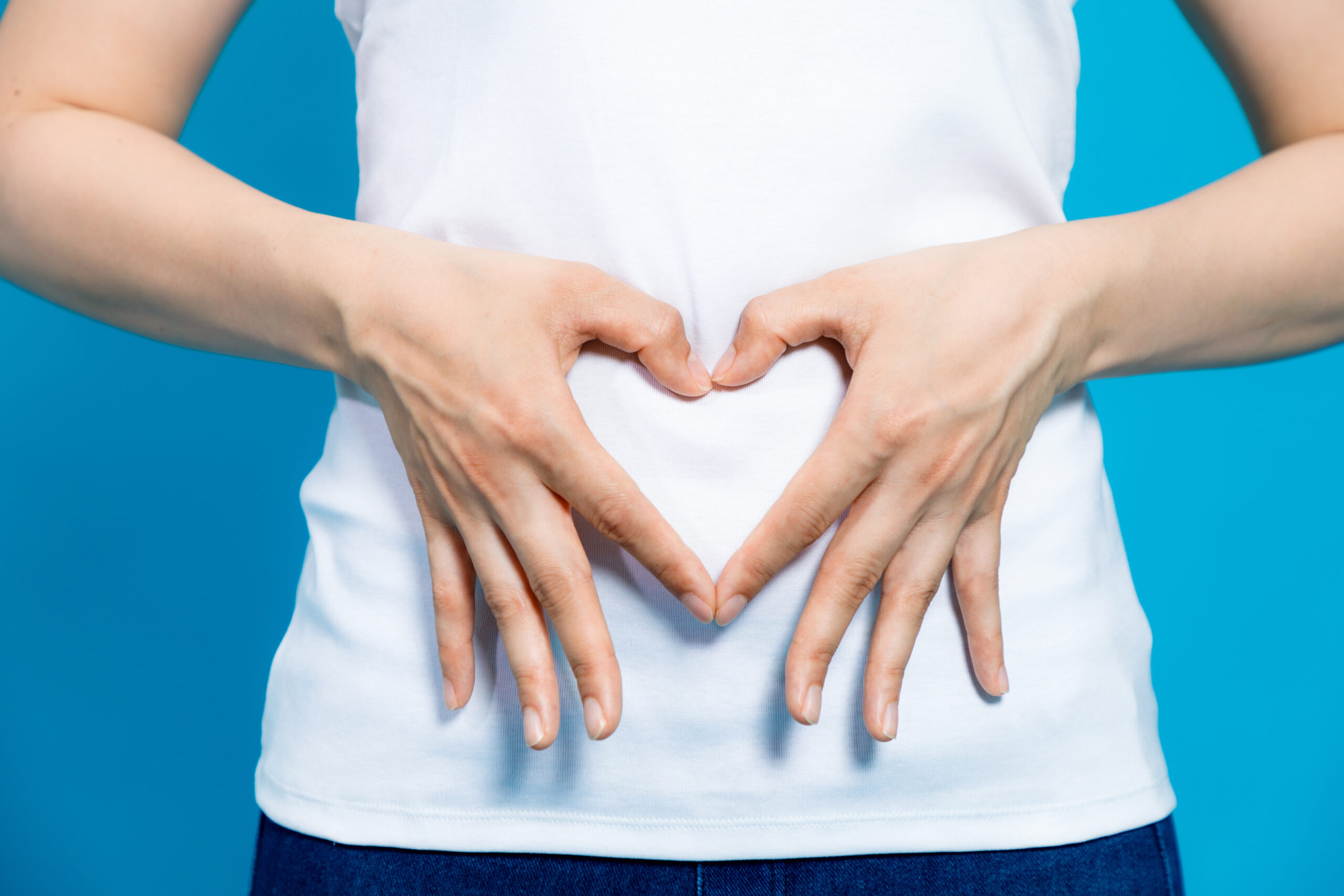
Your gut bacteria are literally shaping your mood, anxiety levels, and mental resilience right now—and scientists just proved they can transfer brain-boosting microbes between species.
Quick Take
- Northwestern researchers demonstrated that gut microbes from large-brained primates enhance learning and brain energy in mice, proving direct causation rather than mere correlation
- A 2025 University of South Australia review confirms strong animal evidence that dysbiosis triggers depression and anxiety, with early human trials showing probiotic benefits
- UCLA studies link gut bacteria composition at age two to emotional health at age seven, suggesting early microbiome intervention could prevent lifelong mental health struggles
- One-third of depression and anxiety patients don’t respond to standard medications, making microbiome-targeted therapies a critical frontier for the 970 million people globally affected by mental disorders
The Gut-Brain Highway Nobody Talks About
Most people think their mood lives exclusively in their head. They’re wrong. Your intestinal bacteria communicate with your brain through three distinct pathways: the vagus nerve fires electrical signals directly to your brain, your microbes produce neurotransmitters that influence mood, and short-chain fatty acids created during digestion cross the blood-brain barrier to modulate brain function. This bidirectional conversation happens constantly, and your mental state depends on it working properly.
https://www.youtube.com/watch?v=85VQSmPcr6E
Why This Matters Now
Depression and anxiety rank among the world’s leading causes of disability, affecting 970 million people globally. Worse, roughly one-third of patients don’t respond to conventional psychiatric medications. The pharmaceutical treadmill has hit a wall. Researchers are now asking a radical question: what if we’ve been treating the wrong organ? Early evidence suggests that restoring microbial balance through probiotics, dietary changes, or fecal microbiota transplants could help treatment-resistant patients where pills failed.
Got a health question? Ask our AI doctor instantly, it’s free.
From Correlation to Causation
For years, scientists observed that depressed people had different gut bacteria than healthy people. But correlation isn’t causation. Northwestern University researchers just changed the game. They transferred gut microbes from different primate species into mice and watched what happened. Microbes from large-brained primates enhanced energy production and learning pathways in the mice’s brains, mimicking the cognitive patterns of the original host species. This proves gut bacteria don’t just correlate with brain function—they actively shape it.
Children’s Brains Are Being Programmed Now
UCLA researchers analyzing the GUSTO birth cohort found something unsettling: the abundance of specific bacterial families (Clostridiales and Lachnospiraceae) at age two predicted anxiety and depression symptoms at age seven. Your child’s emotional resilience isn’t just genetic or parental—it’s being programmed by microscopic organisms colonizing their gut during critical developmental windows. Early intervention through dietary changes or targeted probiotics could theoretically prevent decades of mental health struggles.
https://www.youtube.com/watch?v=pOfaz-MPVGw
The Low-Cost Revolution Hiding in Plain Sight
Psychiatric medications cost thousands annually and fail for millions. Probiotics cost dollars. Dietary interventions cost nothing but attention. University of South Australia researchers, led by Srinivas Kamath and Dr. Paul Joyce, are building the case that lifestyle modifications targeting the microbiome could become the first-line treatment for mood disorders. They’re calling for larger, longitudinal trials combining microbiome therapies with standard psychiatric care—not replacing medications, but augmenting them strategically.
Your health questions deserve instant support.
What You Actually Control
Your microbiome isn’t destiny. Diet, stress levels, sleep quality, and antibiotic use all reshape your bacterial landscape within weeks. Fermented foods, fiber-rich vegetables, and consistent sleep patterns actively cultivate the microbial species linked to emotional stability. This isn’t pseudoscience dressed in wellness language—it’s mechanistic biology. Your choices at the grocery store and bedtime are literally selecting which bacteria thrive in your gut.
The Honest Limitation
Animal studies provide the strongest causal evidence. Human trials remain small and preliminary. Causation in humans hasn’t been definitively proven yet, though the bidirectional relationship is increasingly clear. Diverse populations remain underrepresented in microbiome research. Scientists themselves urge caution against overselling probiotics as mental health panaceas. The field is moving fast, but it’s still early.
What Happens Next
Expect microbiome diagnostics to enter psychiatry within five years. Personalized bacterial profiling could identify which patients will respond to probiotics versus antidepressants, eliminating the current trial-and-error approach. Nutritional psychiatry conferences in 2026 are emphasizing microbiome interventions for ADHD and depression. Fecal microbiota transplants, currently experimental for mental health, may become standard treatment for severe, treatment-resistant cases. The paradigm shift from brain-only psychiatry to whole-system medicine is accelerating.
Free medical guidance, anytime. Start your chat today.
Sources:
More Than a Feeling: Could a Healthier Gut Improve Mental Health?
A Healthy Gut Could Improve Mental Health
Babies’ Gut Bacteria May Influence Future Emotional Health
Frontiers in Microbiomes: Dysbiosis and Mental Health
Nutritional Psychiatry: The Gut-Brain Connection
The Secret to Human Intelligence? It Might Be in Our Gut