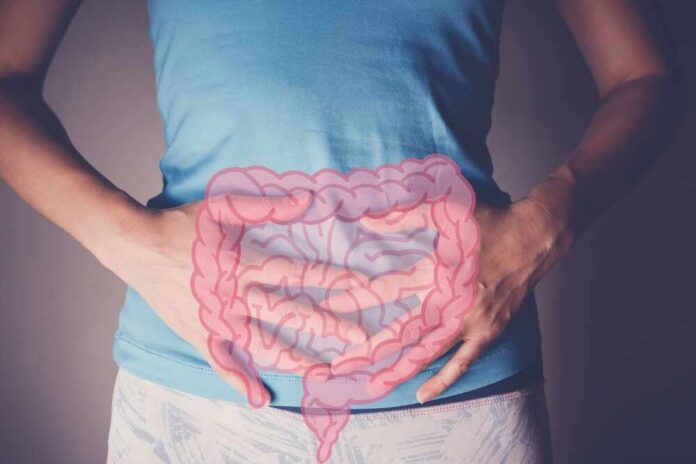
Your gut can “remember” a bad season of inflammation, stress, or antibiotics long after you’ve forgotten it—and that lingering imprint may shape how your brain ages.
Quick Take
- “Gut memory” has two tracks: nerve-circuit learning in the enteric nervous system and long-lasting shifts in the microbiome.
- Aging-related microbiome changes in animal studies can impair memory through inflammatory molecules that disrupt gut-to-brain signaling.
- Early-life disruptions can imprint the immune system and metabolism, making later problems easier to trigger and harder to calm.
- Diet, targeted therapies, and nerve signaling pathways look more promising than blunt “wipe-it-out” approaches like long-term antibiotics.
What “Gut Memory” Actually Means, Without the Hype
“Gut memory” sounds like a headline gimmick until you separate the mechanics. The gut has its own nerve network, the enteric nervous system, that adapts after injury or irritation and can stay rewired. Then the microbiome adds a second layer: a community that can shift after antibiotics, diet changes, infection, or chronic stress, and sometimes doesn’t fully reset. Together they create persistence—your system reacts today partly based on yesterday’s exposures.
One reason this matters to adults over 40 is that persistence is how chronic problems form. A single stomach bug can turn into post-infectious bowel symptoms; a short course of antibiotics can change susceptibility to inflammation; a run of poor sleep and stress can alter motility and sensitivity. None of that proves your gut stores “memories” like a hard drive. It does support something more practical: biology keeps receipts, especially when inflammation enters the picture.
The Enteric Nervous System Learns From Inflammation and Doesn’t Always Unlearn
Research summaries on enteric “learning” describe a pattern clinicians recognize: symptoms continue after the original trigger ends. After colitis or other inflammatory events, gut tissue can show ongoing changes in movement and sensitivity even outside the body, hinting the circuitry itself adapted. That’s not mystical; it’s plasticity, similar in concept to how repeated pain can amplify pain pathways.
The microbiome layer can reinforce that drift. Microbes make signaling molecules: short-chain fatty acids linked with healthier metabolic and immune profiles, and other compounds that can push inflammation. When microbial communities change, the chemical environment bathing the gut lining changes too. That chemical shift can influence the immune system locally and, through hormone and nerve pathways, communicate with the brain. The gut-brain axis becomes less like a slogan and more like plumbing—signals flow, and clogs matter.
Aging Microbiomes and Memory Loss: The Vagus Nerve as a Vulnerable Wire
A striking 2024 line of work tied age-associated microbiome changes to memory decline in mice by tracing a chain from gut microbes to immune activation to weaker vagus-nerve signaling to the hippocampus. The vagus nerve functions like a major communications cable between gut and brain. When inflammation blunts that signal, the brain’s memory centers can suffer. The detail that grabs attention isn’t just “older guts equal older brains,” but that specific microbial byproducts can disrupt the message.
Another thread from aging and Alzheimer’s-focused research highlights bile acids and other metabolites as potential links between gut changes and brain changes. Human evidence here often remains correlational: certain metabolite patterns show up alongside disease, but correlation doesn’t equal causation. Treat correlation as a smoke alarm, not a conviction. You don’t panic, but you also don’t ignore it—especially when the modifiable levers (diet, weight, sleep, metabolic health) carry broad benefits anyway.
Early Disruptions Can “Imprint” the System, Which Explains Why Some People Never Quite Bounce Back
Reviews on “microbiome memory” emphasize that early-life events can echo for years. Antibiotics, infections, and dietary patterns can reshape which microbes establish first, and that can shape immune training—how reactive or tolerant the system becomes. Later, a second hit may provoke an outsized response because the baseline shifted. Many families recognize this pattern: one sibling shrugs off certain foods or stress, another spirals into symptoms. Biology, not just personality, may explain part of that divergence.
This is where American conservative values align neatly with the science: protect the fundamentals, avoid unnecessary interventions, and think long-term. Antibiotics save lives; using them when needed is responsible. Using them casually, or assuming the body returns to factory settings afterward, looks less wise as evidence accumulates. The same principle applies to ultra-processed diets and sedentary habits. If the gut adapts to what you repeatedly feed it, then discipline and routine become medical strategies, not just moral virtues.
What Seems Promising—and What Looks Like Wishful Thinking
Blunt-force approaches tempt people because they feel decisive: “Kill the bad bugs and start over.” Some mouse studies show that depleting microbes can temporarily reverse certain brain-related effects, but that’s not a sustainable human plan. A healthier direction targets function, not scorched earth: increasing dietary fiber to support beneficial fermentation; improving sleep and stress resilience; and exploring therapies that restore signaling along the gut-brain axis. Those are boring moves with surprisingly sharp edges.
Pharmacology also hovers in the background. Researchers have explored ways to restore gut-to-brain signaling in animals, including pathways involving hormones like GLP-1. That intersects with a real-world trend: widespread use of GLP-1 drugs for weight loss and metabolic disease. No one should assume these medications “fix” gut memory or prevent dementia. Still, the overlap is intriguing because it suggests a unifying idea: metabolic health, inflammation control, and nerve signaling may converge on cognitive aging more than we once believed.
The honest bottom line stays uncomfortable: much of the cleanest mechanistic evidence comes from mice, and translation to humans takes time. That limitation shouldn’t be an excuse for nihilism. The gut “memory” concept mainly reframes what prudent adults already suspect—your body becomes what you repeatedly put it through. If you want your later decades to be sharper, calmer, and more mobile, you start by treating your gut like it will remember.
Sources:
Beyond the brain: Gut microbiome and Alzheimer’s disease
Is there evidence that supports learning and memory in the gut?
Does gut health = brain health?
Gut health connected to mental health and wellness
Microbiome memory: a new concept of microbial recollection and its implications
How does gut bacteria affect the brain?