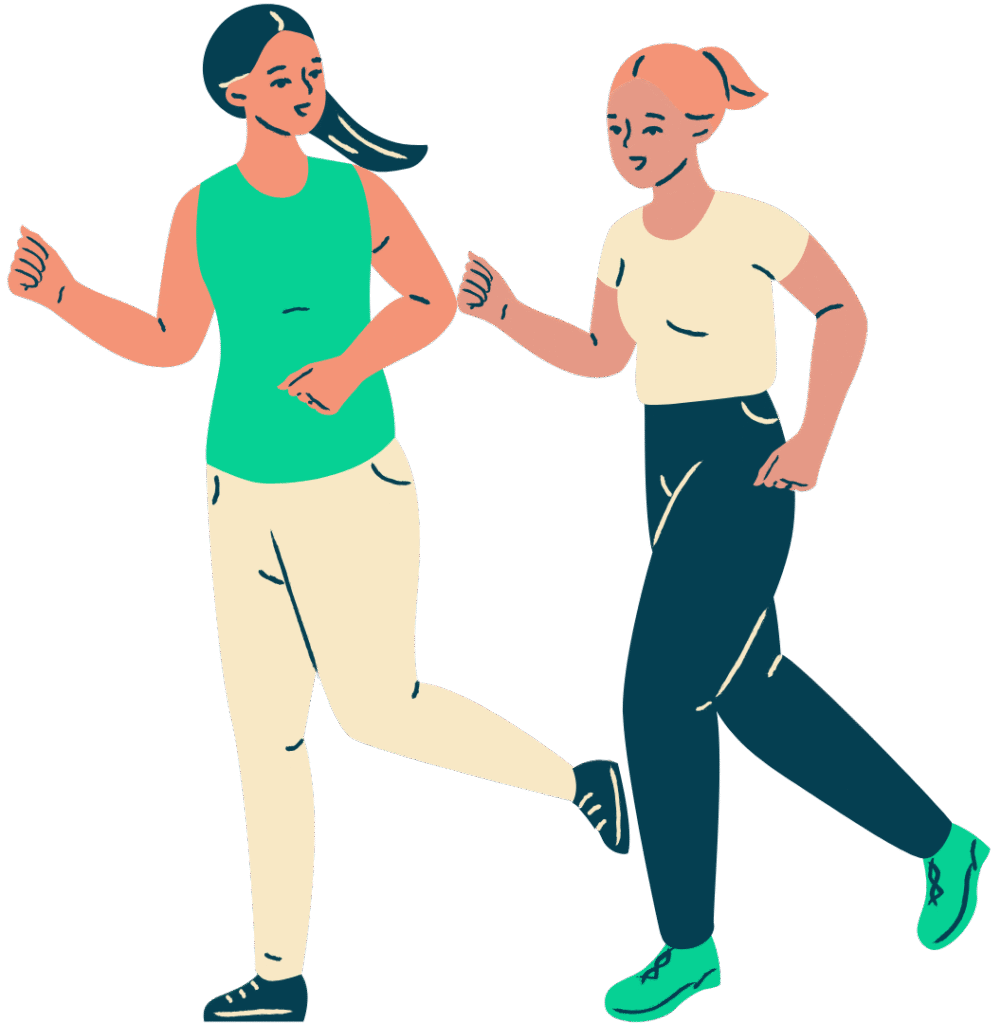
Jogging just 30 minutes a day for women or 40 for men, five days a week, lengthens telomeres by 140 base pairs, slashing biological age by 9 years.
Story Snapshot
- High-impact exercise like jogging outperforms moderate activity in preserving telomeres, the DNA caps that dictate cellular aging.
- BYU professor Larry Tucker’s analysis of 5,823 NHANES adults aged 20-84 reveals strict thresholds: 150-200 weekly minutes of vigorous effort required.
- Sedentary and moderately active people show no telomere benefit, underscoring intensity over casual movement.
- Findings align with conservative values of personal responsibility, proving disciplined sweat equity yields measurable youth extension.
- Alternatives like HIIT or rowing offer joint-friendly paths to the same anti-aging gains.
Study Design and Telomere Breakthrough
Larry Tucker, exercise science professor at Brigham Young University, analyzed telomere lengths from 5,823 adults aged 20-84 in the CDC’s NHANES database. He measured 62 physical activity metrics against DNA protective caps that shorten with age, inflammation, and oxidative stress. High-impact exercisers—women jogging 30 minutes daily, men 40 minutes, five days weekly—averaged 140 base pairs longer telomeres than sedentary peers. This equates to 9 fewer years of biological aging.
https://www.youtube.com/watch?v=zJJq4xU4k4E
Moderately active adults gained no telomere edge over couch potatoes. Tucker quantified high activity as 150-200 minutes weekly of vigorous effort, like running or cycling sprints. His prior 2017 NHANES study on 4,458 adults tied 75 minutes weekly jogging to a 12-year advantage, building on this dose-response pattern.
Telomeres, discovered in the 1970s and validated by Elizabeth Blackburn’s 2009 Nobel work, serve as aging biomarkers. High-intensity exercise counters shortening via reduced inflammation and oxidative stress, a mechanism Tucker links directly to cellular youth.
Got a health question? Ask our AI doctor instantly, it’s free.
High-Intensity Thresholds Defined
Women hit the threshold at 30 minutes daily high-impact bouts; men need 40 minutes. Tucker defines this as sustained vigorous activity, five days weekly, totaling 150-200 minutes. Jogging leads, but rowing, HIIT, or sprint cycling qualify if they spike heart rate and effort.
Sedentary lifestyles dominate modern America, accelerating telomere erosion and chronic diseases. Tucker’s data demands rigor: casual walks or light gym sessions fall short. This aligns with common sense—half-measures yield half-results, demanding disciplined commitment for real healthspan gains.
Gender differences reflect physiological variances; women’s lower threshold acknowledges efficient fat-burning and recovery. Facts support Tucker’s assertions without exaggeration, resonating with conservative emphasis on individual accountability over excuses.
Not sure where to start? Ask the AI doctor about your symptoms.
Mechanisms and Broader Evidence
High-impact exercise suppresses inflammation and oxidative damage, preserving telomeres. Animal studies show wheel-running mice resist hypermethylation; human epigenetic clocks reverse 1.5-2 years after 8-week HIIT or strength training. Olympic athletes exhibit slower epigenetic aging than peers.
https://www.youtube.com/watch?v=4nSMUts0omc
Tucker’s publication in Preventive Medicine used gold-standard NHANES blood samples, cross-verified across outlets. No causality proven—observational design limits claims—but consistency with prior work strengthens reliability. Critics note self-reported activity biases, yet scale and peer review affirm robustness.
Media like Tom’s Guide and Economic Times amplify the 9-year reversal, quoting Tucker’s warning: little exercise won’t cut it. This shifts paradigms from moderate 150-minute guidelines to intensity-focused protocols.
Smart health starts here, try My Healthy Doc today.
Implications for Longevity Seekers
Short-term, expect HIIT class booms and app downloads as sedentary adults chase cellular youth. Long-term, vigorous exercise emerges as a geroprotector rivaling drugs like metformin, easing age-related burdens.
Affected groups span 20-84-year-olds, especially desk-bound professionals and seniors. Economic upsides include fitness industry growth; socially, it cuts healthcare costs through personal discipline. Policies may prioritize intensity in public health messaging.
Tucker’s findings empower over 40s: sweat now, age slower later. Common sense prevails—bodies reward hard work, not wishful thinking. Start today; your cells will thank you in nine years.
Sources:
https://www.tomsguide.com/wellness/fitness/study-reveals-this-type-of-exercise-lowers-your-biological-age-by-9-years
https://lifesciences.byu.edu/high-levels-of-exercise-linked-to-nine-years-of-less-aging-at-the-cellular-level
https://www.aging-us.com/article/206278/text
https://economictimes.com/news/international/us/shocking-study-this-everyday-exercise-can-make-you-9-years-younger-naturally/articleshow/122820290.cms
https://pmc.ncbi.nlm.nih.gov/articles/PMC10572212/
https://pmc.ncbi.nlm.nih.gov/articles/PMC12163535/