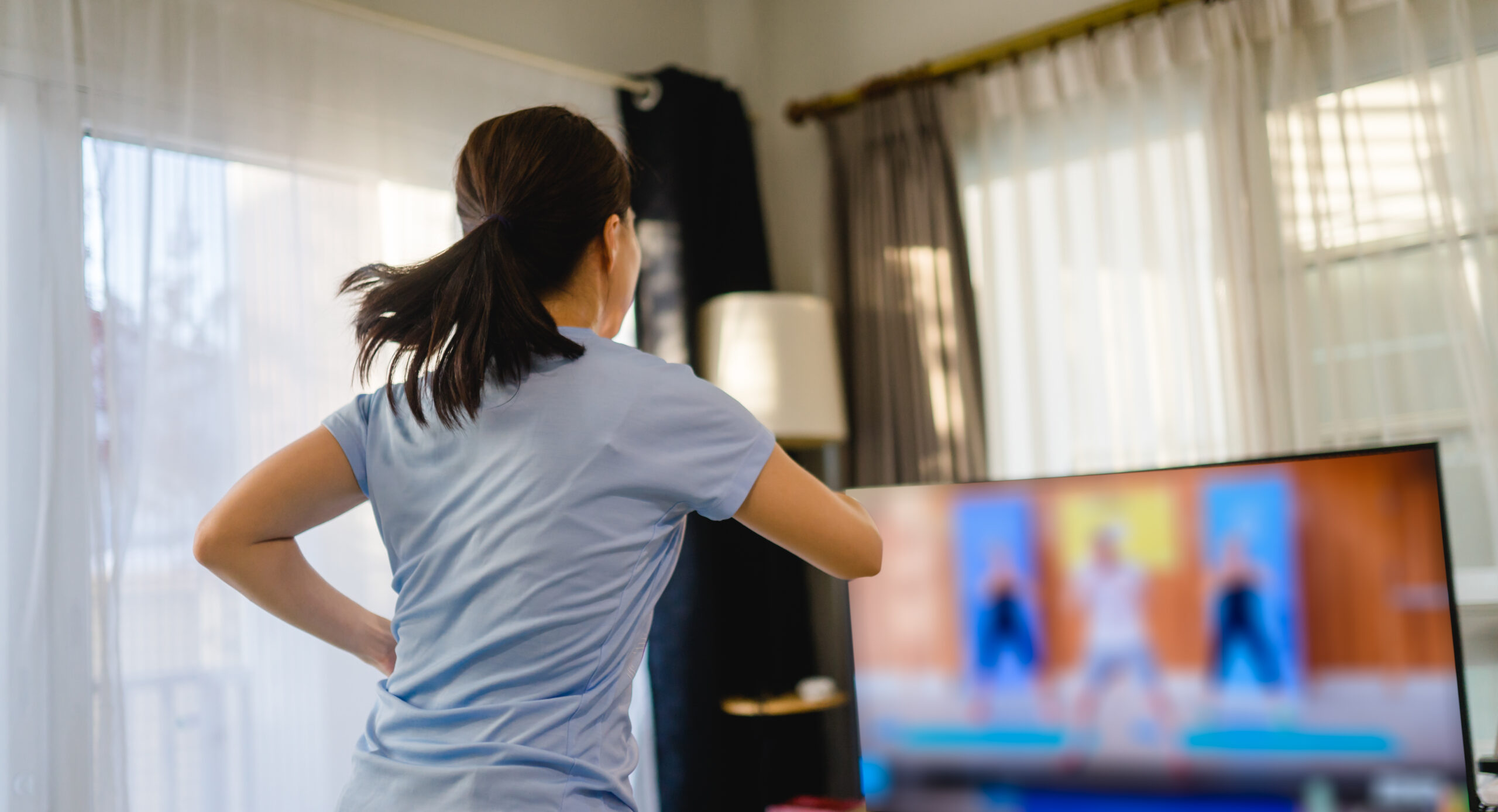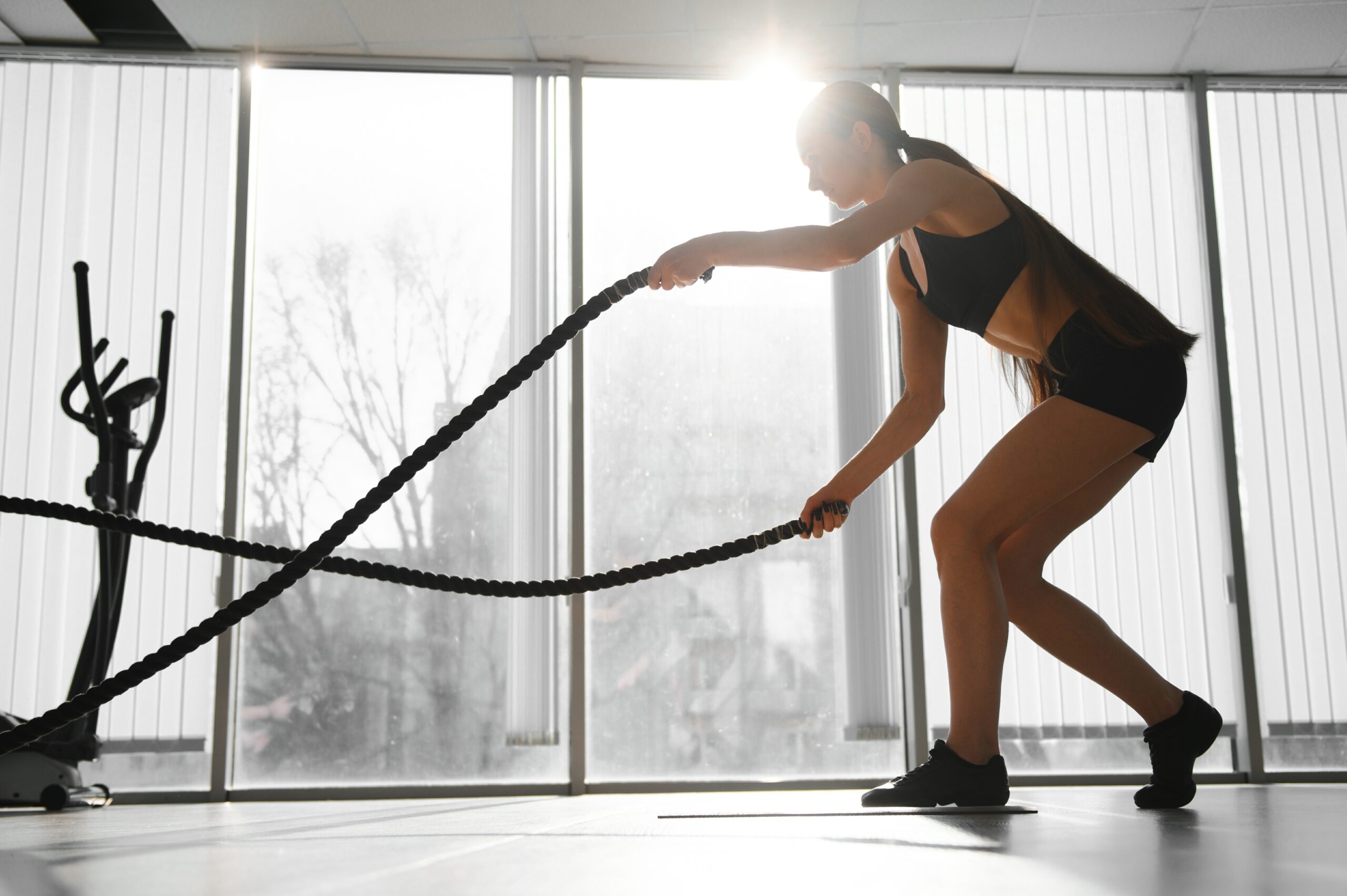
The largest real-world study ever conducted reveals that high-intensity exercise within four hours of bedtime sabotages your sleep in ways that lab studies missed for decades.
Story Snapshot
- Monash University analyzed 4 million nights of sleep data from 14,689 people wearing WHOOP fitness trackers
- High-strain workouts like HIIT, running, or sports within four hours of bedtime delay sleep onset and reduce sleep quality
- Evening exercise elevates nocturnal resting heart rate and lowers heart rate variability, impairing recovery
- The findings contradict earlier small-scale lab studies that suggested evening exercise improves sleep
- Two-thirds of adults struggle with sleep issues, making workout timing a critical but overlooked factor
The Four-Hour Rule That Changes Everything
Monash University researchers dropped a bombshell in Nature Communications in October 2025. Their study tracked nearly 15,000 people for an entire year, capturing how real people sleep after real workouts in real life. The verdict was unequivocal: finish your intense exercise at least four hours before you plan to crash, or pay the price with fragmented, insufficient sleep. This was not another tiny lab study with 20 college students on treadmills. This was 4 million nights of biometric data showing exactly what happens when you hit the weights or the pavement too close to bedtime.
https://www.youtube.com/watch?v=YzmQtsoyyBc
Why Your Body Rebels Against Late-Night Sweat Sessions
The physiology is straightforward. Vigorous exercise cranks up your sympathetic nervous system, the body’s fight-or-flight mode. Your core temperature spikes. Your heart rate stays elevated. Your body floods with alertness hormones. All of this directly contradicts what your brain needs to initiate sleep: cooling down, calming down, and shifting into parasympathetic recovery mode. The Monash team found that high-strain activities specifically disrupt these natural rhythms. Even after adjusting for age, gender, fitness level, and how well participants slept the night before, the pattern held. Late workouts meant delayed sleep onset, shorter total sleep time, and measurably worse recovery metrics.
Got a health question? Ask our AI doctor instantly, it’s free.
The Great Lab Versus Life Debate
For years, smaller controlled studies painted a rosier picture. A 2018 meta-analysis of 23 studies found that evening exercise often boosted slow-wave sleep and REM cycles, the restorative stages your body craves. The catch was timing and intensity. Vigorous workouts completed less than an hour before bed caused problems, but moderate sessions earlier in the evening seemed harmless or even helpful. Lab environments, however, strip away the chaos of daily life. Real people do not exercise in sterile conditions after perfectly controlled days. They grab gym time after stressful commutes, inconsistent meals, and varying caffeine intake. The Monash study captured this messy reality, and the results leaned heavily toward caution.
https://www.youtube.com/watch?v=UV1VWwc9lN0
What Counts as High-Strain and Why It Matters
Not all evening movement is created equal. The study zeroed in on exercise strain, a metric that combines intensity, duration, and individual capacity. HIIT sessions, competitive sports, long runs, and heavy lifting all qualified as high-strain. These activities pushed participants into elevated heart rate zones that lingered well past workout completion. Nocturnal heart rates stayed higher, and heart rate variability, a key indicator of nervous system recovery, dropped. The message was clear: if your workout leaves you breathless and sweaty, schedule it earlier in the day. Light activities like gentle yoga, walking, or stretching did not trigger the same disruptions, offering a practical workaround for those with limited scheduling options.
Not sure where to start? Ask the AI doctor about your symptoms.
The Real-World Impact on Everyday People
Two-thirds of adults already battle sleep problems, a statistic that underscores how urgent this research is. Shift workers, parents squeezing in post-bedtime workouts, and fitness enthusiasts chasing evening group classes are particularly vulnerable. The Saudi Arabia study from 2023 echoed the Monash findings, showing that moderate to vigorous evening sessions lasting over 90 minutes correlated with poor sleep quality scores. The economic and social ripple effects are subtle but real. Fitness apps like WHOOP now have data to refine their coaching algorithms, nudging users away from late-night intensity. Public health campaigns could shift messaging from “just exercise anytime” to “exercise smartly timed” without discouraging movement altogether.
Conflicting Expert Voices and What They Mean for You
Not everyone agrees on the severity of the problem. A 2013 study published in the Journal of Clinical Sleep Medicine found that sleep quality predicted next-day exercise motivation more than exercise predicted sleep outcomes. Another 2021 review in Frontiers in Public Health argued that blanket warnings against evening physical activity do more harm than good, potentially deterring sedentary people from moving at all. These contrasting views hinge on study design. Lab studies control variables so tightly they may miss how exercise interacts with everyday stressors. Field studies like Monash’s capture the chaos but introduce confounding factors. The takeaway for readers is nuance. If you are an insomniac, exercising vigorously at 9 p.m. probably worsens your problem. If you sleep like a rock regardless, the timing may matter less. Individual variability, a factor all researchers acknowledge, means your mileage will vary.
Clear answers for common health questions start now.
Practical Takeaways Without the Hype
Dr. Josh Leota, the study’s lead author, offered a straightforward recommendation: finish intense workouts at least four hours before bedtime or switch to low-intensity alternatives if your schedule forces evening activity. Dr. Elise Facer-Childs emphasized that high-strain evening exercise impairs recovery, a concern for athletes and anyone juggling demanding physical routines. For the average person juggling work, family, and fitness, this translates into a simple strategy. Move your toughest workouts to morning or lunchtime if possible. If evenings are your only option, dial back the intensity or embrace activities like walking, stretching, or easy cycling. Your sleep, and the cascade of health benefits tied to it, will likely thank you. The Monash study does not condemn evening exercise outright. It simply draws a line between what helps and what hurts, backed by the largest dataset ever assembled on the topic.
Sources:
Exercise before bed is linked with disrupted sleep: study – Monash University
Effects of Evening Exercise on Sleep in Healthy Participants: A Systematic Review and Meta-Analysis – PubMed
The Bidirectional Relationship between Exercise and Sleep: Implications for Exercise Adherence and Sleep Improvement – Journal of Clinical Sleep Medicine
Associations between Physical Activity Timing and Sleep among Saudi Women in Riyadh – PMC
The Impact of Evening Exercise on Sleep – Observatoire Prevention
Stop Discouraging Evening Physical Activity – Frontiers in Public Health