Your microwave could turn into a fireworks display or chemical weapon with just one wrong food choice, and the culprits hiding in your kitchen might surprise you.
Story Overview
- Eight common foods pose serious safety risks when microwaved, from explosions to toxic fumes
- Physics and chemistry create dangerous reactions when microwaves interact with certain minerals, metals, and compounds
- Grapes can literally create plasma while hot peppers turn your kitchen into a pepper spray chamber
- Smart alternatives and simple precautions can prevent costly appliance damage and health hazards
The Science Behind Microwave Mayhem
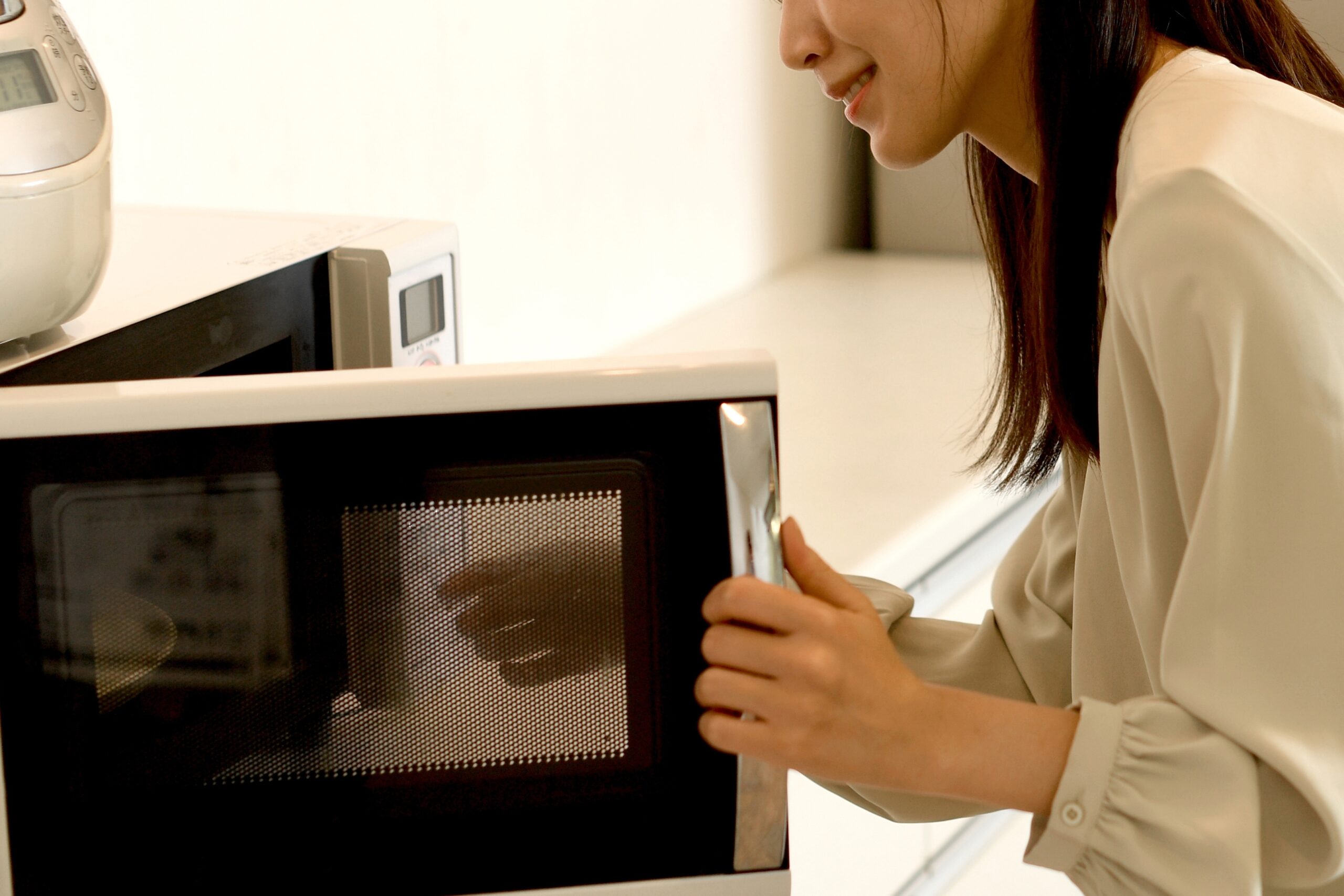
Microwaves heat food by exciting water molecules at 2.45 GHz, but this same energy creates chaos when it encounters metals or certain minerals. Percy Spencer invented this technology in the 1940s at Raytheon, but decades of consumer mishaps revealed that convenience cooking comes with hidden dangers. The electromagnetic waves that efficiently heat your leftovers can also reflect off metallic elements, creating dangerous electrical arcs that damage equipment and start fires.
https://www.youtube.com/watch?v=4AUM7MdfsXM
The physics gets even stranger with certain foods. Grapes contain the perfect combination of size, shape, and electrolytes to create plasma when microwaved. Rice University researchers demonstrated this phenomenon, showing how the grape’s dimensions create resonant cavities that concentrate electromagnetic energy into brilliant, dangerous flashes of superheated gas.
Got a health question? Ask our AI doctor instantly, it’s free.
The Explosive Eight Foods That Fight Back
Whole eggs top the danger list because steam builds pressure inside the shell with no escape route. The result resembles a small grenade detonating in your appliance, coating the interior with scalding egg fragments. Bell peppers present a different threat entirely, containing iron and other minerals that create spectacular light shows as they spark and arc during heating.
Hot peppers transform your kitchen into a chemical warfare zone. Microwaving releases capsaicin vapor into the air, essentially creating homemade pepper spray that burns eyes, throat, and lungs. Single-use plastics leach BPA and phthalates when heated, flooding your food with hormone-disrupting chemicals. Processed meats like hot dogs and deli turkey form nitrosamines and cholesterol oxidation products when microwaved, compounds linked to cancer and cardiovascular disease.
Not sure where to start? Ask the AI doctor about your symptoms.
Chemical Hazards Hiding in Plain Sight
Styrofoam takeout containers present a double threat. Even containers labeled microwave-safe can release styrene when overheated, while unlabeled versions melt into toxic puddles. The EPA identifies styrene as a potential carcinogen, making those convenient soup containers a serious health gamble. Rice requires special attention because improper reheating allows Bacillus cereus bacteria to flourish, causing severe food poisoning.
https://www.youtube.com/watch?v=MS-KmniihBE
Aluminum foil and metallic food packaging create the most dramatic failures. The metal reflects microwaves back toward the magnetron, potentially destroying the appliance’s most expensive component. Even small amounts of foil from takeout containers can generate enough electrical activity to start kitchen fires, making this mistake both dangerous and expensive.
Clear answers for common health questions start now.
Smart Solutions for Safe Heating
Prevention beats cleanup every time. Pierce potatoes and other whole foods to release steam pressure. Transfer plastic-wrapped foods to glass or ceramic containers labeled microwave-safe. Remove all metal components, including twist ties and foil edges, before heating anything. For processed meats, use conventional ovens or stovetops to avoid chemical formation while achieving better flavor and texture.
Understanding your microwave’s limitations protects both your health and your wallet. Appliance repairs from microwave mishaps typically cost fifty to two hundred dollars, while replacement units run several hundred more. The convenience of quick heating loses appeal when weighed against potential medical bills from chemical exposure or burns from exploding foods.
Sources:
Appliance City – What Should You Never Put in The Microwave?
Food Republic – 13 Things You’re Putting In The Microwave But Actually Never Should
American Home Shield – 11 Things You Should Never Put in the Microwave