The nutrition world finally admitted what most people over 40 already know: the hardest part isn’t “discipline,” it’s the noise.
Quick Take
- Early 2026 “start here” nutrition messaging surged because people got exhausted by fad-diet whiplash and conflicting online advice.
- The 2025–2030 Dietary Guidelines release in January 2026 reinforced the same boring truth: eat mostly whole foods, watch saturated fat, and build consistent patterns.
- “Add, don’t subtract” works because it reduces deprivation thinking and naturally crowds out ultra-processed foods.
- Budget-friendly nutrition isn’t a consolation prize; canned and frozen foods can make a healthy pattern realistic and repeatable.
2026’s real nutrition “event”: the back-to-basics backlash against diet chaos
Nutrition didn’t get simpler in 2026; people demanded that it do so. Food banks, health systems, and mainstream experts leaned into beginner-friendly guidance because Americans were drowning in rules: keto versus low fat, fasting windows, supplements, “biohacks,” and demon-food lists. The hook “Not sure where to start?” lands because it treats confusion as normal, not as a personal failure. That shift matters more than any new superfood.
https://www.youtube.com/watch?v=W2B0NHUUx8Q&vl=en
That 2026 wave also had a calendar trigger: New Year’s resolutions meet post-holiday regret. The practical guides that spread fastest skipped guilt and went straight to steps people can execute on a Tuesday. That includes building a “balanced plate” rather than chasing perfection, drinking more water instead of buying detox teas, and focusing on repeatable groceries. The best of these guides were less about motivation and more about lowering the cost of good decisions.
Not sure where to start? Ask the AI doctor about your symptoms.
What the Dietary Guidelines reinforced: boring patterns beat dramatic promises
The 2025–2030 Dietary Guidelines for Americans, released in January 2026, didn’t hand the internet a shiny new rule to argue about. They reinforced familiar guardrails: emphasize nutrient-dense foods, keep saturated fat under 10% of calories, and make healthy patterns routine. Harvard’s analysis highlighted how consistent the core recommendations have stayed—fruit, vegetables, and whole grains remain the backbone. Consistency is the point: the body rewards steady inputs, not nutritional mood swings.
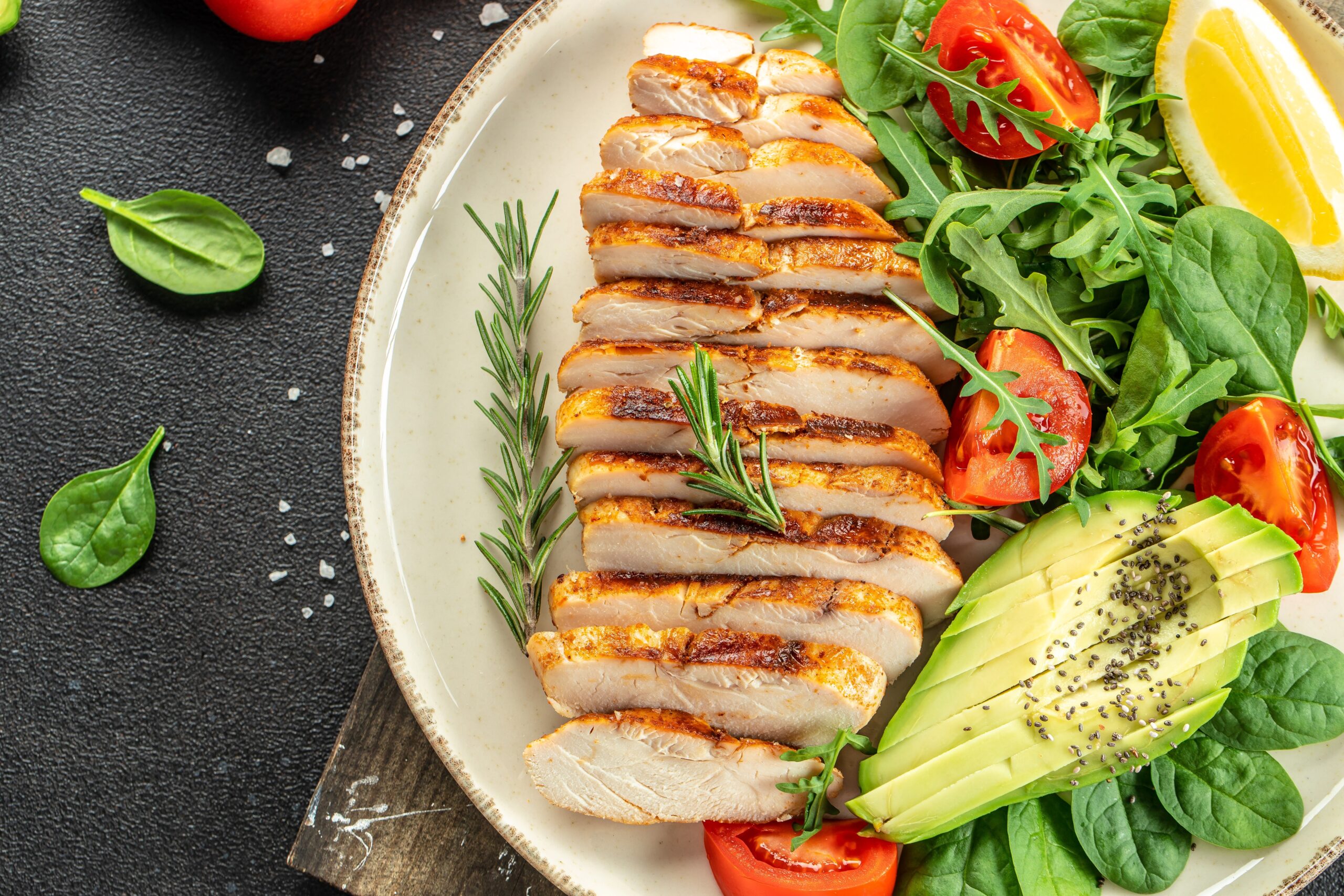
That steadiness aligns with common sense and conservative values: personal responsibility works best when the rules are clear and realistic. People can’t “choose better” when advice changes every week or when influencers sell fear as a business model. The most credible voices in 2026 didn’t ask Americans to swear off entire food groups. They asked for measurable, doable swaps: more fiber-rich foods, more minimally processed proteins, and less sugar-sweetened excess.
Your health questions deserve instant support.
The “add, don’t subtract” strategy works because it attacks the real problem
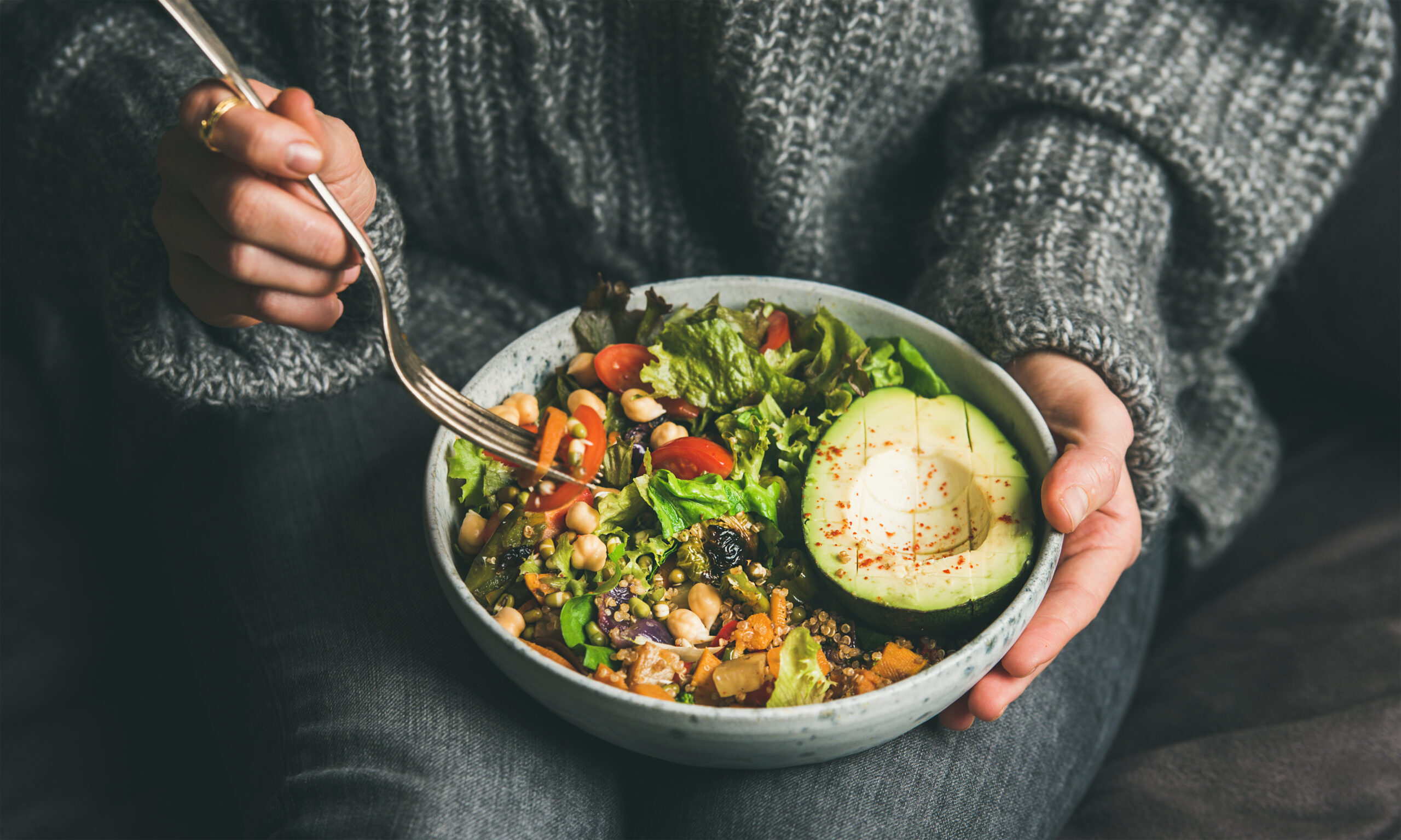
Most failed diet attempts collapse for one reason: the plan starts with subtraction. Cut bread, cut sugar, cut joy, cut social life. “Add, don’t subtract” flips the psychology. Add a vegetable to lunch. Add a protein source at breakfast. Add fruit you’ll actually eat. This approach doesn’t pretend cravings are moral weakness; it uses satiety and routine to make impulse eating less powerful. Over time, better foods crowd out the junk naturally.
https://www.youtube.com/watch?v=krIgKr3IC7s
Agrocado’s beginner framing also tapped a 2026 undercurrent: pushback against ultra-processed foods without turning it into hysteria. People don’t need a lecture to notice that heavily processed snacks don’t satisfy for long. The practical move is simple: set a short ingredient standard for common staples, keep a few reliable “default meals,” and choose foods closer to their original form when possible. Perfection isn’t required; repetition is.
Budget nutrition isn’t a side quest; it’s the whole game
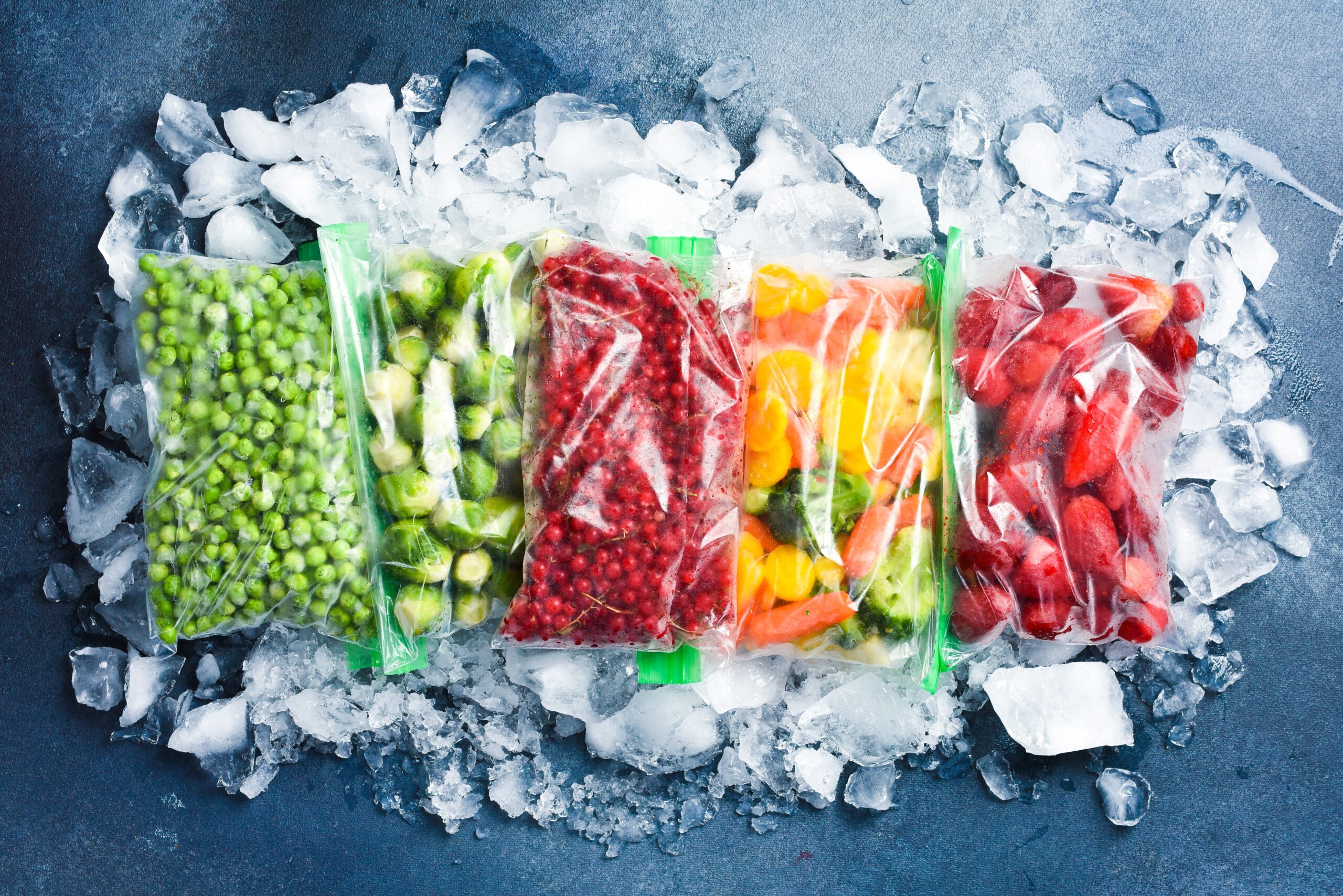
The Idaho Foodbank approach matters because it treats affordability as central, not secondary. Anyone can eat “clean” on a private chef budget; the real test is feeding a family when time and money run tight. That’s where frozen and canned produce earns respect. Frozen vegetables reduce waste and prep time. Canned beans deliver protein and fiber cheaply. When guidance includes realistic shopping and simple recipes, it stops being theory and becomes a system.
GERD-focused beginner guidance adds another underappreciated angle: digestive comfort drives compliance. A plan that aggravates reflux, leaves people overly hungry, or swings blood sugar will not survive real life. Balanced meals—mixing protein, fiber-rich carbs, and healthy fats—tend to stabilize energy and reduce the “snack spiral.” That doesn’t require exotic ingredients. It requires a repeatable grocery list and the discipline to keep the kitchen stocked with better defaults.
Clear answers for common health questions, start now.
A simple way to start tomorrow: build “default meals,” then widen variety
Beginners get stuck when every meal feels like a brand-new decision. The faster path is to choose two or three “default” breakfasts and lunches you can repeat without drama, then rotate dinners. A default breakfast might be oats with fruit and yogurt, or eggs with frozen vegetables and whole-grain toast. A default lunch might be a bean-and-chicken salad or a turkey sandwich plus fruit. Once defaults stick, add variety on purpose, not by accident.
The cultural punchline is this: the 2026 nutrition reset wasn’t about discovering new information. It was about rebuilding trust in old information that still works. People don’t need to be “perfect eaters” to protect their health; they need an environment that makes reasonable choices easier than unreasonable ones. Start small, repeat what works, and ignore anyone who makes nutrition sound like a secret club. Real health is usually unglamorous—and that’s why it lasts.
Sources:
Simple Nutrition Tips for 2026
Healthy Eating Beginner Guide 2026
A Beginner’s Guide to Healthy Eating
What Is a Healthy Diet? Recommended Serving Infographic
Eating Better in 2026
Understanding the New Dietary Guidelines for Americans