The hands that once betrayed your age are now becoming the canvas for a skincare revolution that’s leaving dermatologists stunned and women of every generation scrambling to get their hands on what insiders are calling the ultimate “power pair.”
Story Highlights
- A specific combination of peptides and hyaluronic acid is transforming crepey hands across all age groups
- The anti-aging serums market is projected to reach $159.6 billion by 2035, with hand rejuvenation leading the charge
- AI-driven personalization and biotech innovations are making hand anti-aging solutions more effective than ever
- Women are finally addressing the most overlooked area that reveals true age—their hands
The Forgotten Territory Finally Gets Its Due
For decades, women invested thousands in facial anti-aging treatments while their hands screamed their real age to anyone who looked. The thin, delicate skin on hands lacks the oil glands that keep facial skin supple, making them prime real estate for wrinkles, age spots, and that dreaded crepey texture that seems to appear overnight.
The oversight was glaring. Dermatologists knew it, beauty brands ignored it, and women suffered in silence as their hands told stories their faces had learned to hide. But 2025 has ushered in a dramatic shift, with hand rejuvenation becoming the fastest-growing segment in anti-aging skincare.
Science Cracks the Code on Hand Rejuvenation
The breakthrough comes from understanding what actually causes hands to age so dramatically. Unlike facial skin, hands face constant environmental assault—sun exposure, frequent washing, harsh chemicals—while receiving minimal protective care. The result is accelerated collagen breakdown and moisture loss that creates that unmistakable crepey appearance.
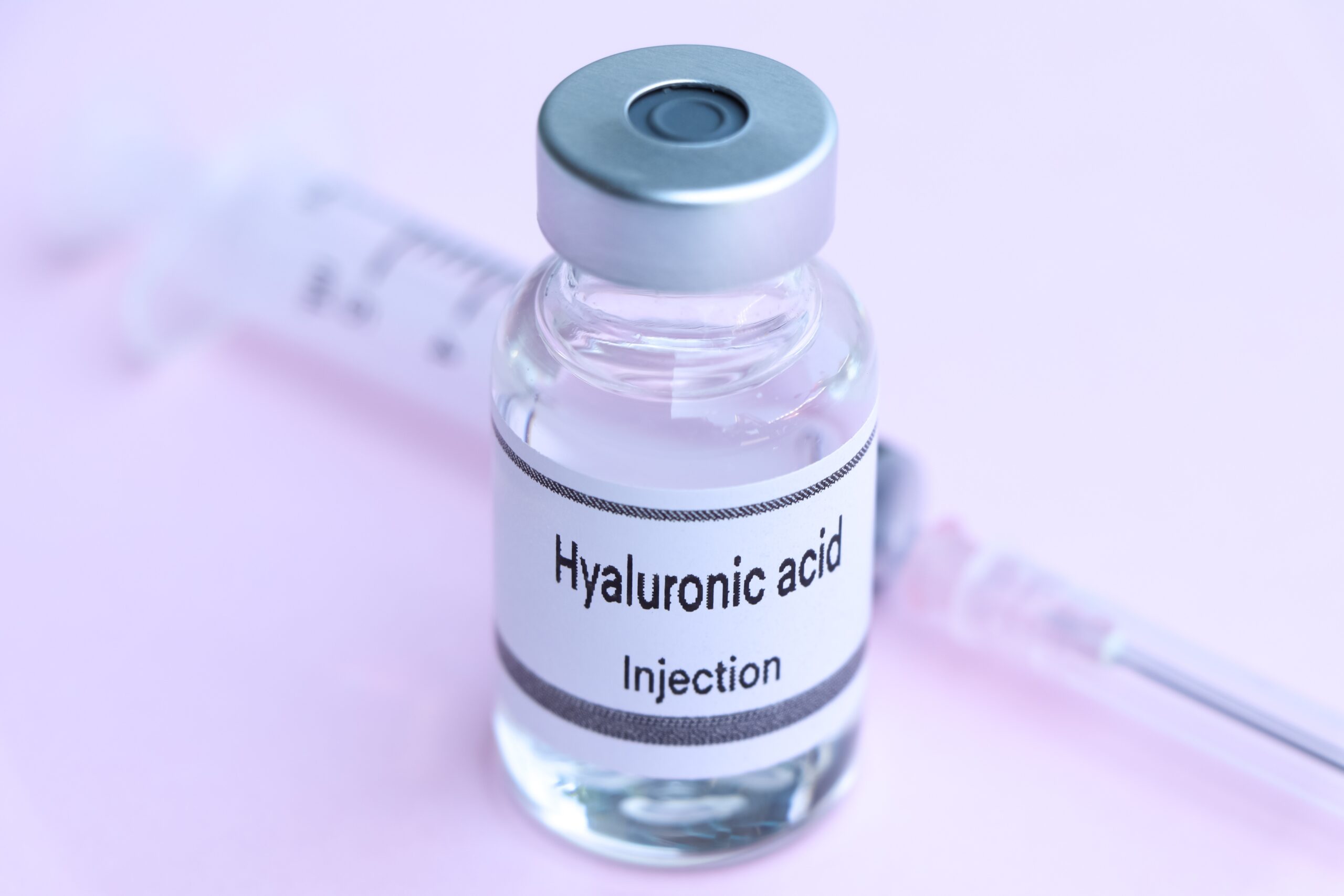
Enter the power pair that’s changing everything: peptides and hyaluronic acid working in strategic tandem. Peptides act as cellular messengers, signaling skin to ramp up collagen production and repair damaged tissue. Hyaluronic acid swoops in with its legendary ability to hold 1,000 times its weight in water, plumping and smoothing the newly stimulated skin from within.
The Multi-Generational Appeal That Surprised Everyone
What caught the beauty industry off guard was how this solution resonated across age groups. Women in their 30s discovered they could prevent the hand aging that plagued their mothers, while women in their 70s found visible improvement in hands they thought were beyond help.
The science-backed approach appealed to younger generations raised on ingredient transparency, while the visible results convinced skeptical older consumers who had tried countless hand creams with disappointing outcomes. This cross-generational adoption created a market boom that projected the anti-aging serums sector toward an unprecedented 11.9% compound annual growth rate.
Technology Takes Hand Care to the Next Level
The real game-changer isn’t just the ingredients—it’s how technology is personalizing their delivery. AI-driven diagnostics now analyze individual skin conditions, sun damage patterns, and aging concerns to customize peptide and hyaluronic acid concentrations for maximum effectiveness.
Biotech companies are pushing boundaries even further with lab-cultured collagen and bioengineered peptides that target specific aging pathways in hand skin. These innovations address the unique challenges hands face, from knuckle creasing to the thin skin between fingers that traditional face serums never considered.
Sources:
Future Market Insights – Anti-Aging Serums Market
Beauty Independent – Skincare Trends Soaring 2025
Cholley – 2025 Trends in Anti-Aging Skincare
Technavio – Anti-Aging Products Market Industry Analysis
Isabelle McLeod – Latest Skincare Trends for 2025
Grand View Research – Anti-Aging Products Market
Towards Healthcare – US Anti-Aging Market Sizing
Market Research – Global Anti-Aging Cosmetics Trends