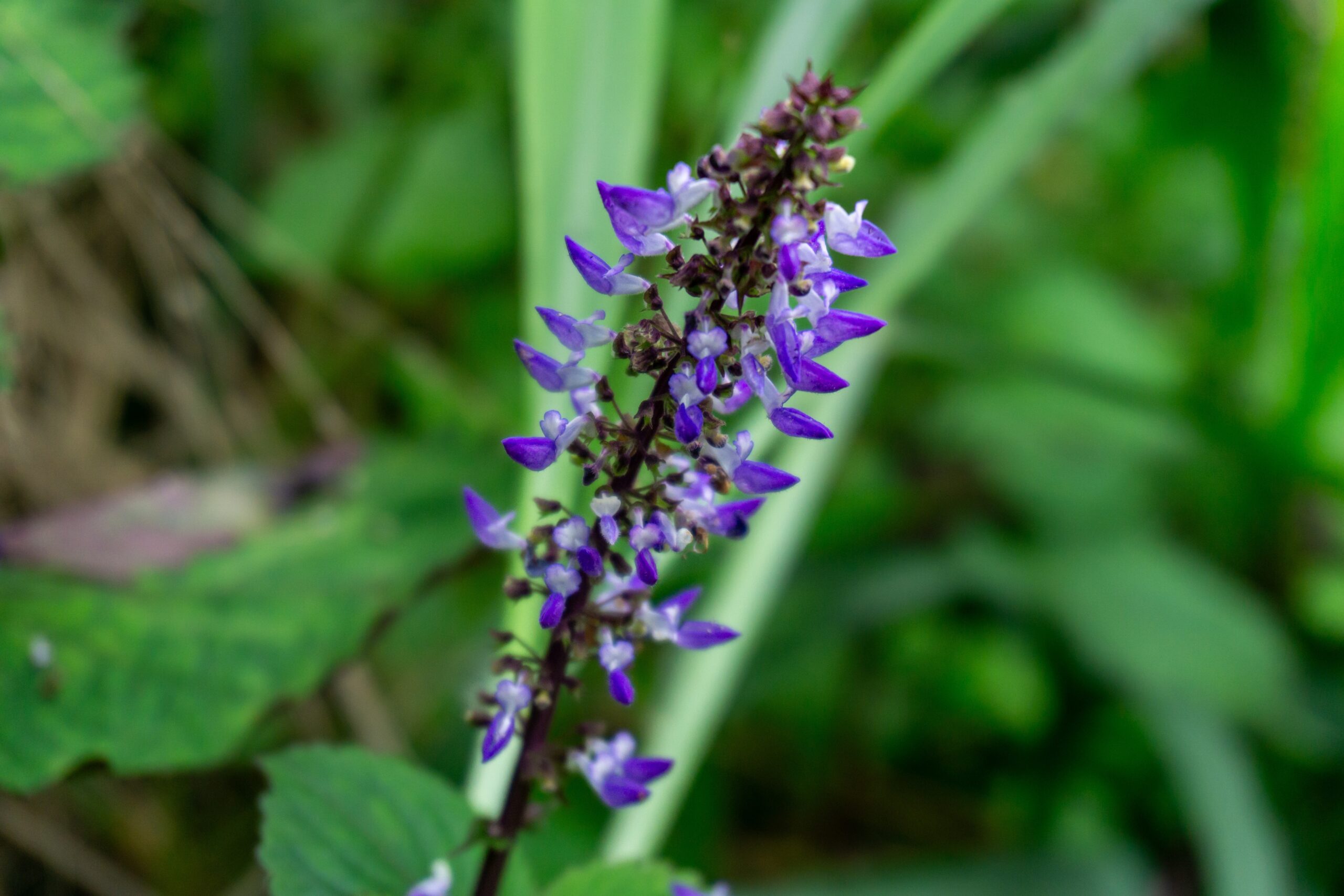
A plant extract lurking in ancient herbal remedies could turbocharge chemotherapy to conquer one of leukemia’s deadliest forms, slashing resistance and side effects overnight.
Story Highlights
- Forskolin from Coleus forskohlii directly attacks KMT2A-r AML cells by activating PP2A and suppressing oncogenes MYC, HOXA9, HOXA10.
- This natural compound blocks P-glycoprotein 1, the pump fueling chemo resistance, supercharging daunorubicin’s kill power.
- Preclinical cell studies show dual action: tumor suppression plus enhanced chemo sensitivity for lower doses and fewer toxicities.
- University of Surrey researchers, funded by Leukaemia UK, pave way for trials in this high-risk leukemia striking infants to adults.
- Repurposing a safe, studied compound aligns with common-sense push for effective, less toxic cancer fights rooted in nature’s arsenal.
KMT2A-Rearranged AML: Leukemia’s Toughest Foe
University of Surrey researchers targeted KMT2A-rearranged acute myeloid leukemia, a subtype driven by fusion oncogenes in the KMT2A gene. This leukemia ravages infants, children, and adults with high relapse rates and fierce resistance to standard chemotherapy like daunorubicin and cytarabine. Patients face poor prognoses despite aggressive treatments including transplants. The disease overexpresses drivers like MYC, HOXA9, and HOXA10 while deploying P-glycoprotein 1 to expel drugs. These mechanisms demand new strategies beyond intensified chemo.
Dr. Maria Teresa Esposito’s team zeroed in on this gap. Their work reveals how natural compounds can disrupt these exact pathways, offering hope where conventional arms fail.
Accessible care for everyone, powered by AI.
Forskolin’s Direct Assault on Leukemia Cells
Forskolin, extracted from Coleus forskohlii roots, activates Protein Phosphatase 2A (PP2A), a tumor-suppressing enzyme often silenced in cancers. PP2A unleashes its brakes on leukemia growth. In KMT2A-r AML cells, forskolin slashes expression of oncogenes MYC, HOXA9, and HOXA10. These proteins fuel uncontrolled proliferation. Lab tests confirm slowed cell growth and survival. This direct hit positions forskolin as more than a bystander in cancer battles.
Traditional use in herbal medicine gives forskolin a safety edge over synthetic drugs. Decades of studies in heart and metabolic diseases bolster its profile. Yet in leukemia, it strikes with precision against a neglected subtype.
Get personalized answers from your AI doctor.
Supercharging Daunorubicin by Cracking Drug Resistance
P-glycoprotein 1 (P-gp1/ABCB1) pumps daunorubicin out of cells, shielding leukemia from chemo’s punch. Forskolin inhibits this efflux pump independently of its PP2A action. Intracellular daunorubicin levels skyrocket, amplifying cell death. Cell models of KMT2A-r AML show marked sensitivity boosts when combining the two. This synergy hints at lower chemo doses, curbing heart damage and nausea that plague patients.
Dr. Esposito notes this dual mechanism could transform strategies, aligning with conservative values favoring proven, nature-backed tools over endless pharma innovation. Past P-gp inhibitors flopped on toxicity; forskolin’s clean record demands swift in vivo tests.
Talk to your AI doctor safe, simple, and free.
Research Path and Key Players Driving Progress
Leukaemia UK funded Dr. Esposito’s team at University of Surrey, partnering with University of Roehampton, Barts Cancer Institute, Great Ormond Street Institute, and Barcelona’s Centre for Genomic Regulation. Their study hit the British Journal of Pharmacology, sparking coverage from ScienceDaily and ecancer. Dr. Simon Ridley of Leukaemia UK hails it as vital to doubling AML survival in a decade. Preclinical cell data sets the stage; animal trials loom next.
Patients with this aggressive leukemia stand to gain most. Families endure watching robust chemo fail against resistant cells. Forskolin’s promise revives hope for targeted relief without escalating toxicity.
Path Forward: From Cells to Clinic
Current data limits to cell lines, demanding mouse models to probe dosing, safety, and efficacy. Human trials could repurpose forskolin swiftly given its availability. If validated, it joins natural-derived successes like taxanes in chemo regimens. Common sense dictates prioritizing such low-risk adjuncts for high-stakes fights. Leukaemia UK’s push underscores urgency; delays cost lives in this relentless disease. Watch for trial announcements that could redefine AML care.
Sources:
Natural compound supercharges treatment for aggressive leukemia
A natural compound could help fight aggressive leukaemia and amplify the effect of chemotherapy drugs
Toxic mold compounds turned into powerful cancer-fighting drugs
Forskolin shows dual mechanism against aggressive KMT2A-rearranged acute myeloid leukemia
Natural Plant Compound Supercharges Chemotherapy Against Leukemia
For many blood cancer patients, CAR T-cell therapy is game-changing
Penn Engineers Turn Toxic Fungus into Anti-Cancer Drug