Everyday preservatives in your lunchbox might silently elevate cancer risk, challenging what regulators deem safe.
Story Snapshot
- French study of 105,000 people over 7.5 years links specific preservatives to higher breast and prostate cancer rates.
- Potassium sorbate raises breast cancer risk by 26%; sodium nitrite boosts prostate cancer risk by 32%.
11 of 17 preservatives show no cancer link, but findings urge regulatory review. - Associations, not causation—confounders like ultra-processed foods may play a role.
- Supports shift to fresh foods, aligning with conservative values of personal responsibility in health choices.
Study Details and Participant Tracking
The NutriNet-Santé cohort tracked 105,260 French adults from 2009 to 2023. Researchers analyzed intake of 17 preservatives via detailed dietary records. Over 7.5 years, they documented 2,407 cancer cases. Higher consumption of six preservatives correlated with elevated risks. Combined sorbates increased overall cancer odds by 14%. The prospective design captured real-world habits, building a strong observational foundation.
https://www.youtube.com/watch?v=gIHDSmOJ6KE
Specific Preservatives and Cancer Associations
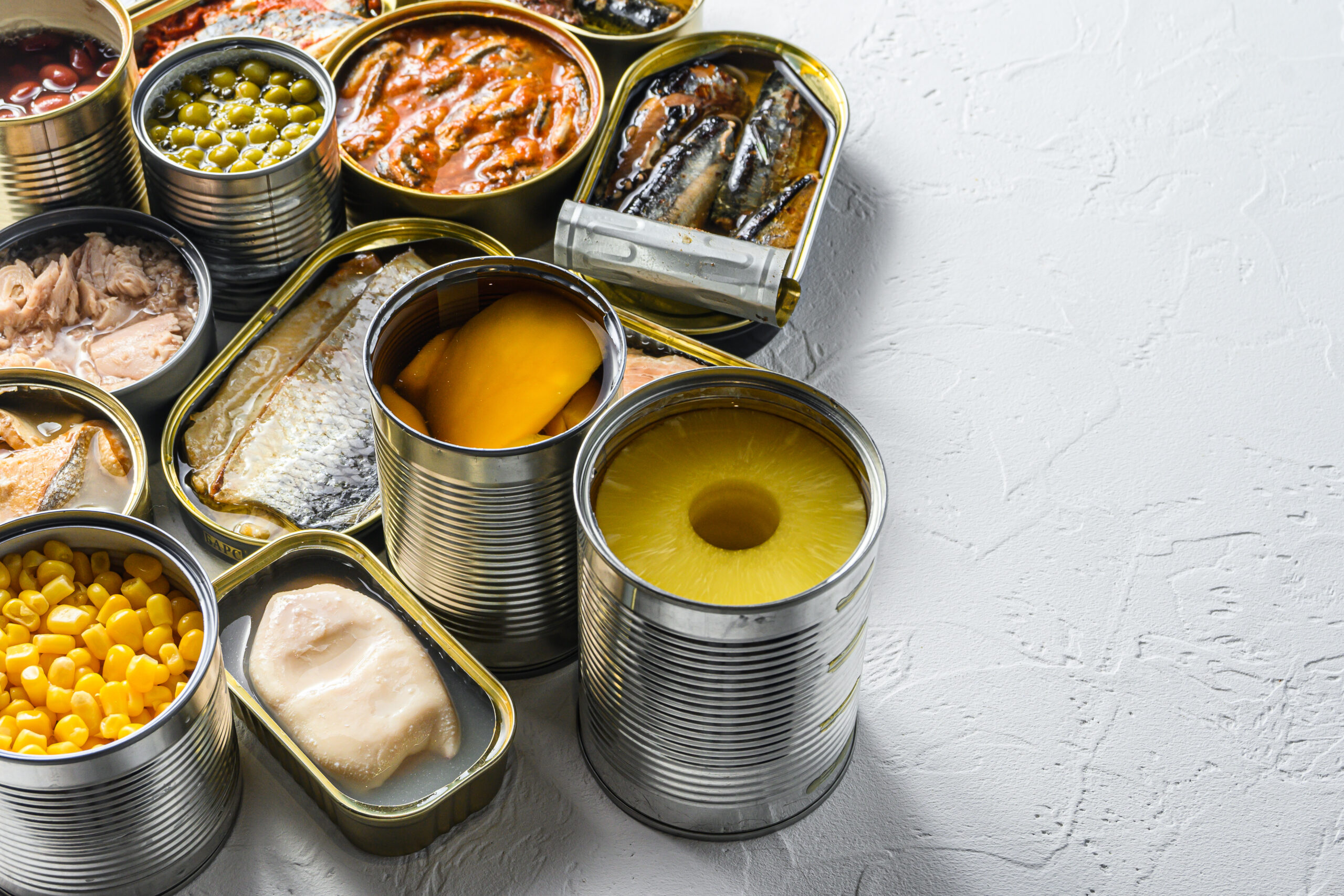
Potassium sorbate linked to 26% higher breast cancer risk. Potassium nitrate showed 22% increased breast cancer odds. Total acetates raised breast cancer risk by 25%. Sodium nitrite associated with 32% higher prostate cancer incidence. These additives appear in processed meats, sauces, baked goods, and snacks. Eleven other preservatives displayed no significant links, highlighting selective concerns.
Tired of diets that don’t work? Get a personalized plan in minutes.
Biological Mechanisms and Research Gaps
Researchers propose preservatives affect immune function and trigger inflammation, potentially fostering cancer. Nitrites and benzoates form carcinogenic compounds in some conditions, per prior studies. However, the observational data cannot confirm causation. Unmeasured factors like overall diet quality confound results. Study participants, 79% women and health-focused, may not fully represent general populations.
Safe science based weight loss no guesswork.
Critiques from Scientific Community
McGill University experts question acetic acid’s 12% cancer risk link, noting vinegar’s safe epidemiological record. Preservatives often mark salty, fatty, sugary foods—known risks themselves. Associations might reflect ultra-processed food consumption, not additives alone. Facts support skepticism; causation demands lab and animal confirmation. Conservative common sense favors caution without overreaction to correlations.
https://www.youtube.com/watch?v=JtwSDd49UF0
Implications for Consumers and Regulators
High consumers face 1-2 percentage point lifetime cancer risk hikes by age 60. Short-term, awareness grows; long-term, manufacturers may reformulate. Agencies like FDA and EFSA face re-evaluation pressure. Public health backs fresh, homemade foods over processed options. Industry costs rise, but personal choice empowers families to prioritize whole ingredients and self-reliance.
Reach your goals with AI guided medical insight.
Sources:
ScienceDaily: These common food preservatives may be linked to cancer
McGill University: Food Preservative Linked to Cancer? Shrieked Many Headlines
The Educated Patient: Study Links Some Common Food Preservatives to Higher Cancer Rates
Renal and Urology News: Some Widely Consumed Food Preservatives Increase Cancer Risk