Your running shoes are sabotaging every rep, undermining your stability, and potentially setting you up for injury every time you step into the weight room.
Story Snapshot
- Running shoes reduce power output and stability during strength training due to cushioned, unstable soles
- Raised heels and curved toe design interfere with proper lifting biomechanics and muscle engagement
- Flat-soled alternatives like Converse, Vans, or cross-training shoes provide superior gym performance
- Simple footwear switch can improve safety and maximize training effectiveness
The Cushioned Catastrophe Under Your Feet
Walk into any commercial gym and you’ll spot the same mistake repeated at every squat rack and deadlift platform. Serious lifters wearing serious expressions, moving serious weight, all while standing on shoes designed for an entirely different purpose. Running shoes transform the weight room into a carnival funhouse where solid ground becomes squishy uncertainty. The thick, gel-filled soles that make pavement feel like clouds turn every lift into a balancing act on quicksand.
Why Your Heels Are Sabotaging Your Squats
Running shoes feature elevated heels designed to propel you forward with each stride. This heel-to-toe drop, typically ranging from 8-12 millimeters, fundamentally alters your body mechanics during squats and deadlifts. Your ankles shift forward, your knees track differently, and your entire kinetic chain adjusts to compensate for artificial elevation. What helps you run faster makes you lift weaker, forcing your body to fight the shoe instead of fighting the weight.
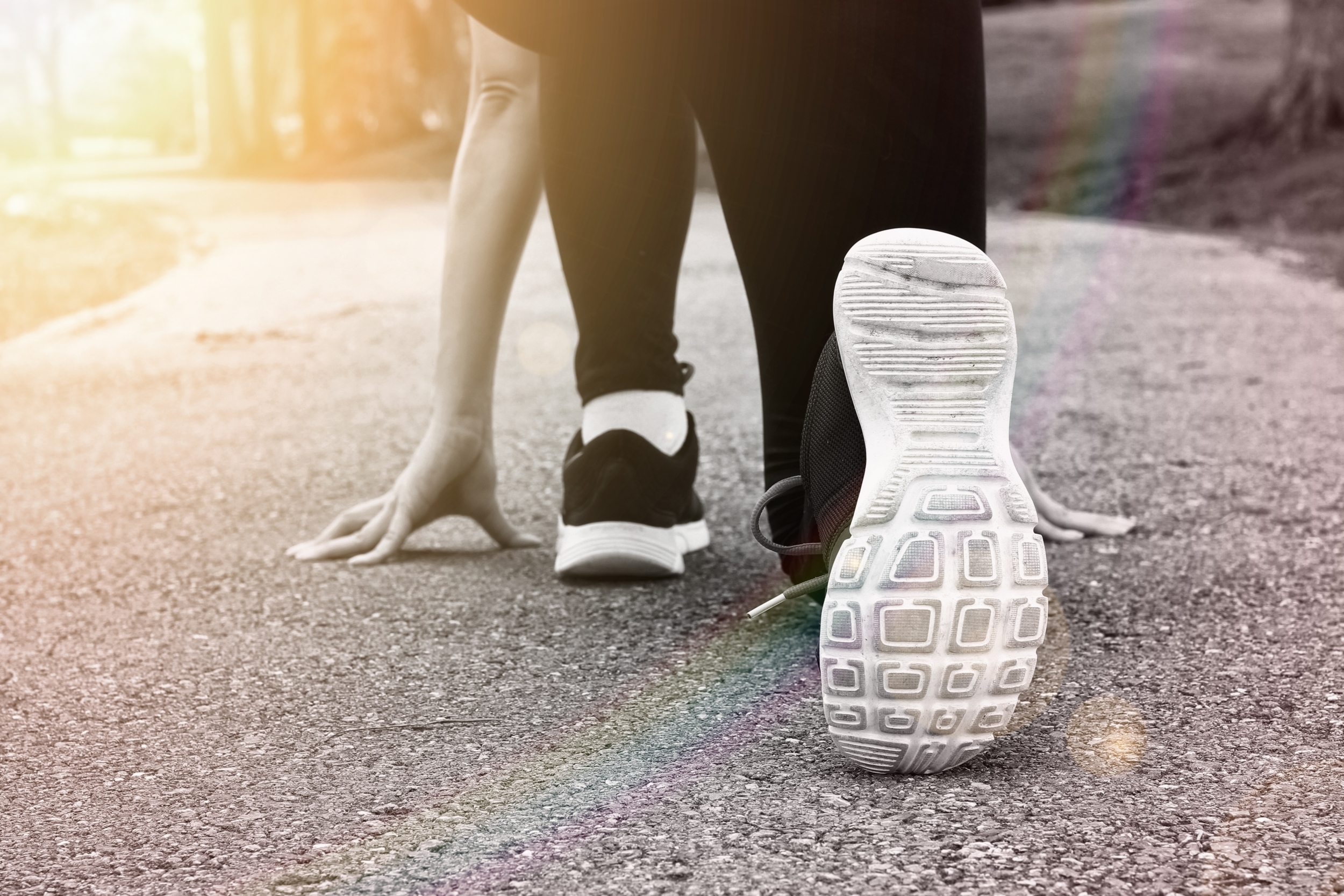
The curved toe design compounds this problem by preventing your toes from making full contact with the ground. Proper lifting requires your entire foot to grip the floor like a foundation anchor. Running shoes curve your toes upward, creating an unstable rocking motion that robs you of the solid base necessary for maximum power transfer from the ground through your body.
Meet My Healthy Doc – instant answers, anytime, anywhere.
https://www.instagram.com/reel/DQfCJwpD-Ch/?utm_source=ig_web_copy_link
The Science Behind Sole Instability
Cushioned soles compress unpredictably under load, creating energy leaks that diminish your lifting performance. When you push 200 pounds off your chest or drive through a heavy squat, that cushioning absorbs force meant to move the weight. Your nervous system senses this instability and automatically reduces power output as a protective mechanism. You’re literally training your body to be weaker by wearing the wrong shoes.
Research consistently demonstrates that stable surfaces enhance strength performance and muscle activation. Every millimeter of sole compression represents lost power, reduced stability, and compromised form. The very technology that protects your joints during repetitive running motions becomes a liability when you need solid, unwavering contact with the ground.
Watch:
https://youtu.be/zyX1ZLK2cwA?si=gOnyOip5g8WcvbE4
The Flat-Soled Solution That Changes Everything
Flat-soled shoes eliminate the variables that running shoes introduce to your lifts. Classic options like Converse Chuck Taylors or Vans provide thin, incompressible soles that maximize ground contact and stability. Cross-training shoes offer similar benefits with additional lateral support for varied movements. Minimalist shoes take this concept further, providing barely-there protection while maintaining essential stability.
The transformation in lifting performance becomes immediately apparent when switching from running shoes to flat soles. Your squats feel more controlled, your deadlifts more powerful, and your overall stability dramatically improves. The shoe stops being a variable you must overcome and becomes a tool that enhances your performance. Your feet can finally do what they’re designed to do: create a stable platform for generating maximum force.
Chat safely, anytime, with My Healthy Doc.
Sources: