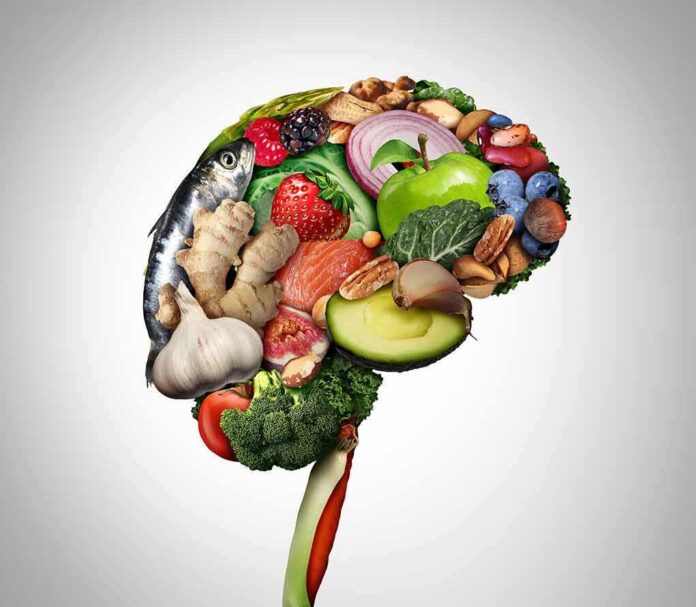
ITV’s This Morning told viewers how to cut microplastic exposure after citing a study that reported plastic in human brains.
Story Highlights
- ITV’s This Morning shared steps to reduce microplastic exposure, tied to a striking brain study.
- The segment framed practical habits for food, water, and household choices.
- Experts say measuring microplastics in human tissue is complex and methods vary.
- A German risk agency praised the study’s novelty but flagged method limits.
Daytime Show Pushes Practical Steps After Brain-Plastic Claim
ITV’s This Morning aired a segment that promised ways to “avoid microplastics in your brain,” linking advice to a recent study that suggested some brains may hold up to seven grams of plastic, about a small spoon’s worth. The show’s online article introduced journalist Lucy Siegle to explain steps people can take at home. The guidance aimed at daily choices, like safer food storage and water use, to cut contact with plastic particles that may move through the body.
The ITV piece fit a trend where media turn early science signals into personal action lists. The article kept its focus on prevention and did not claim proven health outcomes. It framed exposure reduction as common sense while pointing to reports of microplastics found in organs from lungs to liver. That mix—vivid claim plus everyday tips—grabbed attention by tying a lab finding to the kitchen, the tap, and the shopping aisle, where people can act right away.
What The Show Urged Viewers To Do
The segment highlighted simple swaps that lower contact with plastic. It pointed to choosing glass or steel over plastic for hot foods, limiting single-use packaging, and favoring filtered tap water over bottled water when safe. It suggested reducing synthetic fibers shed by clothes by washing less often, using colder cycles, and air drying. It also urged better waste habits to cut plastic breakdown in the environment. The shared theme was lowering heat, friction, and time that help plastic shed.
The advice aligned with basic exposure logic. Heat releases more plastic bits and chemicals from many containers. Abrasion knocks fibers from textiles. Time and sunlight crack plastic, creating smaller fragments. The show’s steps aim to interrupt those pathways at home. Viewers heard a message both sides of politics often support: take control where you can while systems catch up. Personal action is not a full fix, but it helps families feel less captive to decisions made by distant companies and agencies.
How Solid Is The Brain Claim?
Researchers worldwide agree that finding microplastics in human tissue is technically hard. Different labs use different tools and cleanup steps, and that can change results. Reviews of human-tissue studies describe tradeoffs in methods like infrared and Raman spectroscopy and thermal techniques that identify plastic types and sizes. That means numbers can vary. This does not erase the concern, but it does shape how strongly we can state how much plastic is in a given organ.
The German Federal Institute for Risk Assessment responded to the headline brain study by calling it timely and interesting, while pointing out weaknesses in sample prep, detection, and potential contamination risks. That is standard in a fast-moving field. The bottom line is clear and practical. People likely face regular contact with microplastics in food, water, air, and dust. Measured amounts and health effects are still being mapped. Cutting avoidable exposure remains a reasonable, low-cost step while better science lands.
Personal steps will not clean up rivers or overhaul packaging on their own. But they can cut risk at the margin and push markets. When millions buy differently, companies notice. When labs publish clearer methods and agencies set common standards, the public gets firmer answers. Until then, the message from This Morning lands with practical sense: store smarter, heat safer, shed less, and drink from sources you trust, while science and policy try to catch up.
Sources:
youtube.com, link.springer.com, pmc.ncbi.nlm.nih.gov