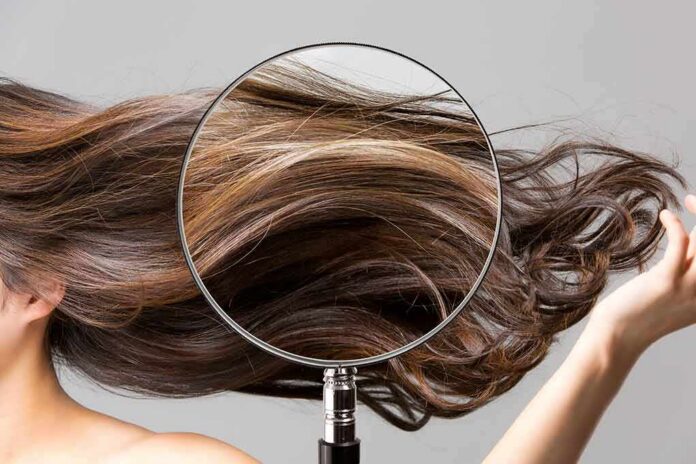
Most hair advice floating around online is either useless or flat-out wrong, but a handful of habits actually hold up under real scientific scrutiny.
Quick Take
- Dermatologists say washing frequency should match your scalp type, not a one-size-fits-all schedule.
- Heat styling and rough handling cause more visible damage than almost anything else people do.
- Scalp massage shows real, if modest, support for circulation and hair strength.
- Diet and hydration matter more for hair than most supplement bottles do.
- Sleep and gentle styling round out the habits with the strongest evidence behind them.
Wash Smarter, Not More Often
The American Academy of Dermatology tells people to wash based on how oily their scalp gets, not on a fixed daily routine. Straight, oily hair may need daily shampoo. Curly, thick, or textured hair can go two to three weeks between washes. The group also recommends applying shampoo to the scalp itself, not the full length of the hair, since that’s where oil and buildup actually collect.
Harvard Health backs this up, noting that washing hair several times a week covers most people’s needs. Overwashing strips natural oils that protect the scalp barrier, while underwashing lets oil and dead skin pile up. The fix isn’t a magic number of washes. It’s paying attention to your own scalp and adjusting from there.
Heat And Rough Handling Do Real Damage
Heat styling tools don’t cause hair loss at the root, but they do break down the hair shaft itself, according to research on hair aging and damage. Repeated blow-drying, flat-ironing, and curling weakens strands over time, making them brittle and prone to snapping. Lower heat settings, heat protectant products, and air-drying when possible all reduce this damage.
Gentle handling matters just as much as heat control. Brushing wet hair, tight ponytails, and aggressive towel-drying all add mechanical stress that snaps strands and causes breakage. Simple swaps like using a wide-tooth comb, switching to a soft cotton or microfiber towel, and loosening tight hairstyles reduce the tension that pulls on hair roots over time.
Scalp Massage Has More Than Anecdotal Support
Scalp massage keeps showing up across dermatology sites and hair-care guides, and there’s a reason. Research suggests a healthy scalp environment supports hair growth and retention, and massage is one of the few low-cost ways to support that environment. A few minutes of circular finger pressure daily is the most common recommendation.
Scientists studying scalp massage have found it may boost circulation and help nutrients reach hair follicles faster. It won’t reverse genetic hair loss or work miracles overnight. But as a free, five-minute daily habit with no real downside, it’s one of the easier recommendations on this list to actually stick with.
Diet And Hydration Beat Most Supplement Claims
Nutrition plays a bigger role in hair health than most people assume, and it’s more foundational than any specialty shampoo. A review of dietary factors found that low vitamin D and iron levels were linked to hair loss, while diets high in sugar and alcohol were linked to worse outcomes. Protein, iron, and zinc all support the follicle’s ability to grow strong strands.
Supplements are trickier. Research on the broader factors affecting hair looked closely at multivitamins marketed for hair growth and found no real evidence they work for people who aren’t already deficient in something specific. The better approach is a genuinely balanced diet and enough water, not a cabinet full of gummy vitamins promising thicker hair.
Sleep And Sun Protection Round Out The Basics
Hair grows during rest, which is why several dermatology-backed guides list seven to nine hours of sleep as a genuine hair-health habit, not just general wellness advice. Poor sleep disrupts the body’s repair cycles, including the ones that keep follicles functioning normally. It’s an easy habit to overlook because it doesn’t feel hair-related, but the body doesn’t separate its systems that way.
Sun exposure is the other overlooked factor. Ultraviolet rays weaken the hair shaft the same way they damage skin, breaking down proteins and drying out strands over time. A hat or UV-protecting spray during long outdoor stretches protects hair the same way sunscreen protects skin, and it costs almost nothing to add to a daily routine.
Healthy hair starts with healthy habits.
The products you use every day play an important role in maintaining scalp health, protecting your hair, and supporting long-term results. A personalized haircare routine can make all the difference whether you’re preventing hair loss or… pic.twitter.com/KwXJHCEUqT
— Bauman Medical (@Transplant_Hair) August 10, 2026
None of these five habits promise a miracle transformation, and anyone claiming otherwise is selling something. What the evidence actually supports is damage prevention: washing correctly, protecting hair from heat and sun, feeding the body real nutrients, and giving the scalp a little daily attention. That’s a realistic, achievable standard, and it beats chasing the next viral hair trend.
Sources:
jessicasepel.com, healthline.com, batistehair.com, pmc.ncbi.nlm.nih.gov