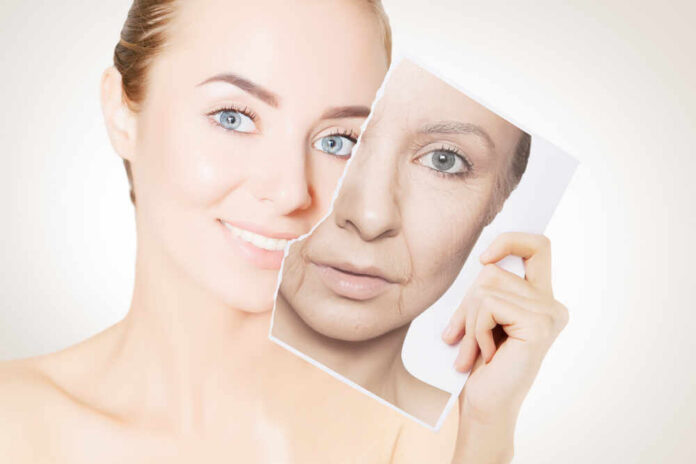
Skin aging is starting to look less like “inevitable decline” and more like “a fixable cellular traffic jam,” and the fix is arriving from four directions at once.
Story Snapshot
- Researchers now measure skin’s “biological age” and can push it younger in lab models, not just make it look better.
- One strategy clears senescent “zombie” cells that poison healing; another temporarily reprograms cells without erasing their identity.
- mRNA delivery by microneedles aims to turn skin into its own short-term bioreactor for repair signals.
- Peptides target aging pathways in human skin models, creating a consumer-facing preview of where clinical medicine may go.
Why This Story Is Underreported: It’s Not Cosmetics, It’s Capability
Aging skin fails because the cellular environment turns hostile, not because people suddenly “run out” of skin. A topical senolytic approach using ABT-263 improved healing speed and completeness, hinting that removing dysfunctional cells can restore the body’s own repair sequence. That’s a medical story—fewer infections, fewer complications—not a vanity story.
Public attention misses it partly because it’s not packaged as a miracle cream or a celebrity routine. It’s messy, multi-step biology: inflammation that must be controlled, not crushed; cells that must be reset, not replaced; genes that must be delivered, not permanently edited. Mainstream coverage prefers a single hero product. This story has four competing tools, and none has crossed the finish line of Phase 3 human trials.
Senescent Cells: The Rotten Boards That Make Every Step Risky
Senescent cells don’t divide, but they don’t sit quietly either. They pump out inflammatory signals and tissue-degrading factors that can turn a small cut into a stubborn wound, especially in older adults. The ABT-263 work matters because it reframes “anti-aging” into “pro-function.” Clearing senescent cells aims to restore a healthier neighborhood so normal skin cells can do what they were built to do: close gaps fast.
A drug strong enough to kill damaged cells can also harm healthy ones if it spreads beyond skin or gets used too aggressively. Topical delivery tries to keep the blast radius small.
Partial Reprogramming: Rewinding Age Without Wiping Identity
The Babraham Institute’s “maturation phase transient reprogramming” tackles the oldest fear in cell-reset science: full reprogramming can erase what a cell is. Skin needs skin cells, not a confused mass of stem-like cells. The newer idea uses partial, temporary reprogramming to push molecular age markers younger while preserving cell identity. In practice, rejuvenated fibroblasts showed functional upgrades, including better movement toward wound sites and increased collagen production.
This is where the story turns provocative for anyone over 40. Collagen isn’t just about wrinkles; it’s structural integrity. Better collagen production and faster cell migration hint at sturdier healing after surgery, fewer chronic sores, and potentially improved recovery from everyday injuries. The caution is straightforward: laboratory results can flatter reality. Human bodies have immune systems, complex signaling, and long time horizons—exactly where unintended consequences can hide.
mRNA Microneedles: A Skin-First Version of the Vaccine Revolution
Harvard’s Wyss Institute GeneSkin platform borrows from the mRNA era but aims it at regeneration rather than infection. The concept: deliver mRNA to skin cells using microneedles so cells temporarily produce proteins that promote repair, collagen synthesis, and healthier tissue behavior. That delivery method is not a gimmick; it’s an adoption strategy. People tolerate microneedles far more readily than invasive procedures, and localized delivery helps reduce systemic exposure.
The upside is speed of iteration. mRNA platforms allow researchers to swap instructions without reinventing the whole delivery system, which could accelerate testing of different regenerative signals. The downside is the same reason cautious Americans distrust hype: a platform can scale fast before long-term outcomes feel fully understood. Preclinical success still leaves the hardest questions unanswered—durability, repeat dosing, immune reactions, and whether improvements in a skin explant translate to real-world human skin under stress.
Peptides and the Consumer Trap: Early Access, Uneven Understanding
OneSkin’s OS-01 peptide sits in a different lane: commercial development with peer-reviewed support in human skin models. The claim isn’t just “looks younger,” but reduced senescence burden and improved biological markers associated with aging. That matters because it creates a bridge between laboratory longevity science and what people can actually buy. It also creates a trap: consumers may assume availability equals clinical certainty, which it does not.
Consumer products can help fund research and expand interest, but they can also muddy the message if marketing outruns evidence. When the conversation stays anchored to function—healing, barrier integrity, inflammation control—hype has less room to hide.
Where This Goes Next: Wound Care First, Then the Bigger Prize
The most realistic near-term win is wound care. Faster, more complete healing in older skin reduces hospitalization days, infection risk, and the cascade of complications that can steal independence. That’s the kind of outcome families notice. The bigger prize—systemic age reversal—remains speculative, even if researchers suggest skin is a gateway tissue for broader regeneration. Evidence still clusters around skin models, aged mice, and preclinical platforms.
The real reason no one is talking about this is uncomfortable: it forces a shift in responsibility and expectations. If aging becomes modifiable, even partially, medicine must focus on root causes like senescence, cellular programming, and tissue signaling—not endless symptom management. That aligns with a practical, results-driven mindset. It also demands patience: scientific progress that actually holds up in humans moves slower than headlines, and it should.
Sources:
Breakthrough Drug Reverses Aging in Skin & Speeds Up Healing
GeneSkin: A Novel mRNA Therapy for Skin and Hair Rejuvenation
New technique rewinds age of skin cells by 30 years
Scientific Breakthrough: OneSkin’s scientists show that it’s possible to reverse aging in human skin
Scientists Identify How Young Blood Reverses Aging In Human Skin Cells