The most powerful “brain supplement” in this story isn’t exotic or expensive—it’s a specific kind of fiber your gut turns into chemistry your brain can actually use.
Quick Take
- A large analysis of older adults linked higher fiber intake to better cognition, but the benefit didn’t rise forever; it leveled off around 15 grams per day.
- Mouse experiments pointed to soluble, fermentable fiber as the standout type, improving learning and memory while dialing down neuroinflammation.
- A 2024 randomized trial in older adults found prebiotic fibers (inulin/FOS) improved brain-testing performance in just 12 weeks, alongside shifts in gut bacteria.
- Not all fiber performs the same; insoluble oat fiber showed limited cognitive benefit in a long trial despite helping metabolic measures.
The “15-gram plateau” changes how to think about fiber and aging brains
Researchers analyzing cognitive testing and diet in 2,350 U.S. adults age 60 and up found a pattern that should make anyone over 40 pause: more fiber tracked with better cognition, but not in a straight line. The curve climbed and then flattened, with the biggest gains appearing by roughly 15 grams per day. That’s not a trendy mega-dose; it’s a realistic target that challenges both under-eating and over-supplementing.
https://www.youtube.com/watch?v=jMOdCjSBGIQ
The nonlinear result matters because Americans love “if some is good, more is better.” Common sense says biology rarely works that way. A plateau suggests you may not need heroic amounts to see a payoff, and it also hints at why some people get gas, bloating, or quit too soon: they jump the dose without letting the gut adapt. For older adults who value independence, the practical takeaway is moderation with consistency, not supplement extremism.
Tired of diets that don’t work? Get a personalized plan in minutes.
Soluble and fermentable: the fiber type that looks like a switch, not filler
Fiber isn’t one thing; it’s a category. The 2026 work didn’t just celebrate “fiber” in general—it highlighted soluble fermentable dietary fiber, the kind gut microbes feast on. In mouse models, that fiber improved memory and learning and reduced markers tied to neuroinflammation. The authors also reported microglial remodeling, the kind of behind-the-scenes immune tuning that could influence how the aging brain handles stress, debris, and inflammation over time.
Microglia sit at the center of many neurodegenerative debates because they can protect neurons—or harm them—depending on the signals they receive. When the gut environment shifts, the immune environment shifts with it. That’s the gut-brain axis in plain terms, and it’s a more grounded explanation than vague talk about “detox” or “brain fog.” A conservative read of these findings is straightforward: focus on mechanisms you can measure, not marketing claims you can’t.
Safe science based weight loss no guesswork.
The prebiotic trial that made skeptics lean in: 12 weeks, real cognitive tests
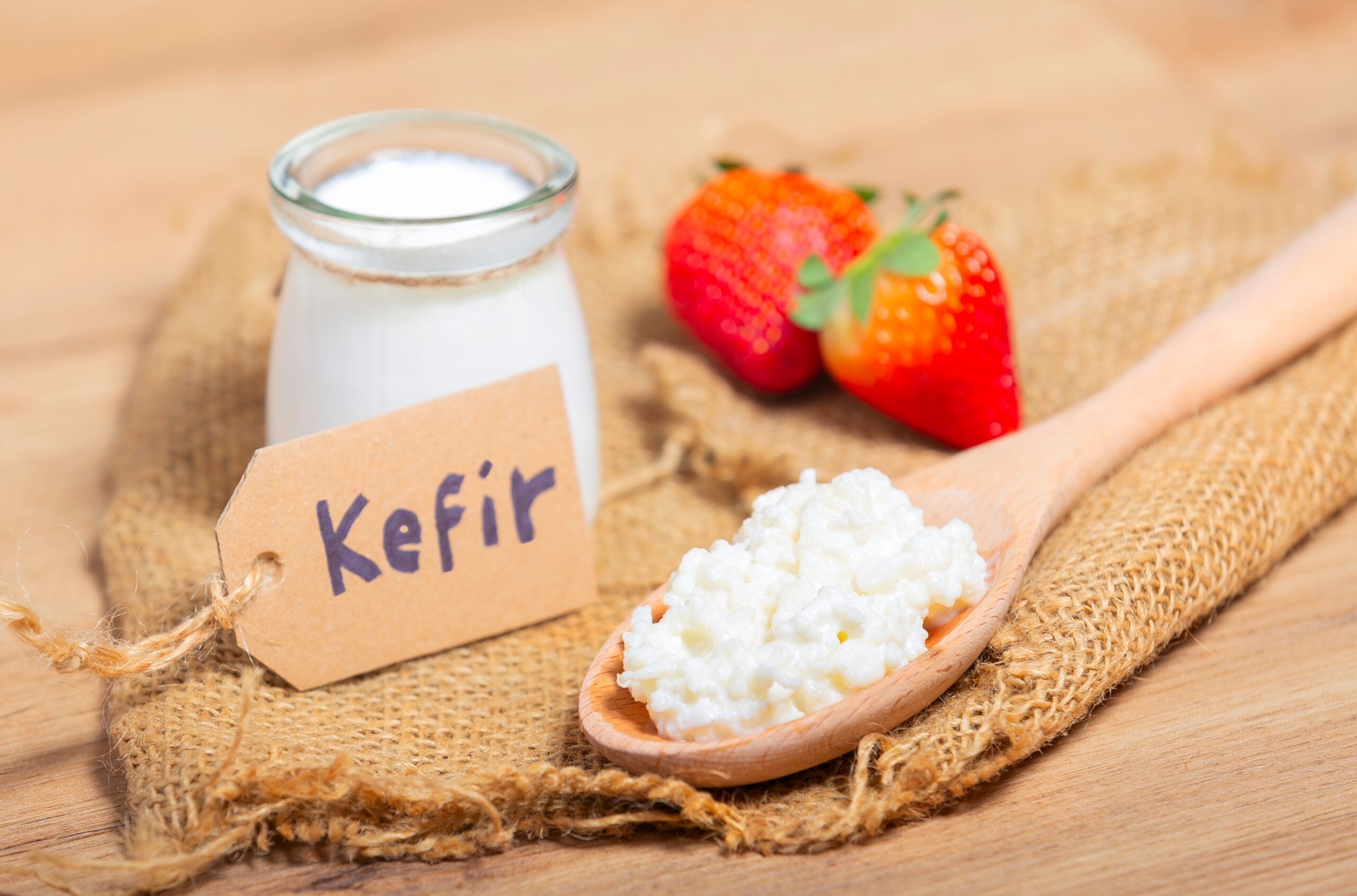
A 2024 randomized study in older adults used prebiotic fibers such as inulin and fructooligosaccharides (FOS), then tracked performance on cognitive tasks. Improvements showed up in testing tied to learning and memory, including measures used as early signals in Alzheimer’s research. The study also reported changes in gut microbes, including increases in Bifidobacterium, a genus often associated with beneficial fermentation and short-chain fatty acid production.
https://www.youtube.com/watch?v=3jVvnhhSBR4
Twelve weeks isn’t a lifetime, but it’s long enough to matter for an intervention that costs less than many monthly streaming subscriptions. The key is that this wasn’t just a survey asking people what they ate; it was a controlled supplement approach with before-and-after performance. That said, nobody should read this as a guarantee that fiber prevents dementia. The responsible interpretation is narrower: certain prebiotic fibers can measurably move the needle on brain-function tests in older adults in a short window.
Why some fiber studies disappoint: insoluble “bulk” isn’t the same as brain-active fuel
The cautionary counterweight comes from longer-term work where insoluble oat fiber improved glycemic control but delivered limited cognitive benefits, particularly in people with prediabetes. That doesn’t “disprove” fiber; it clarifies the category. Insoluble fiber behaves more like scaffolding for digestion—valuable for regularity and metabolic health—while soluble fermentable fibers more directly feed microbes that produce metabolites, including short-chain fatty acids, thought to influence inflammation and brain signaling.
From a policy-and-priorities perspective, this is refreshing: the science isn’t asking taxpayers to bankroll a moonshot drug to slightly slow decline. It’s testing cheap, widely available inputs and then arguing about which ones actually do something. The conservative standard should be evidence-based thrift: support interventions that are low-risk, affordable, and plausibly effective, while staying honest about where results split by fiber type, baseline health, and adherence.
Reach your goals with AI guided medical insight.
A practical way to think about “brain fiber” without turning your kitchen into a lab
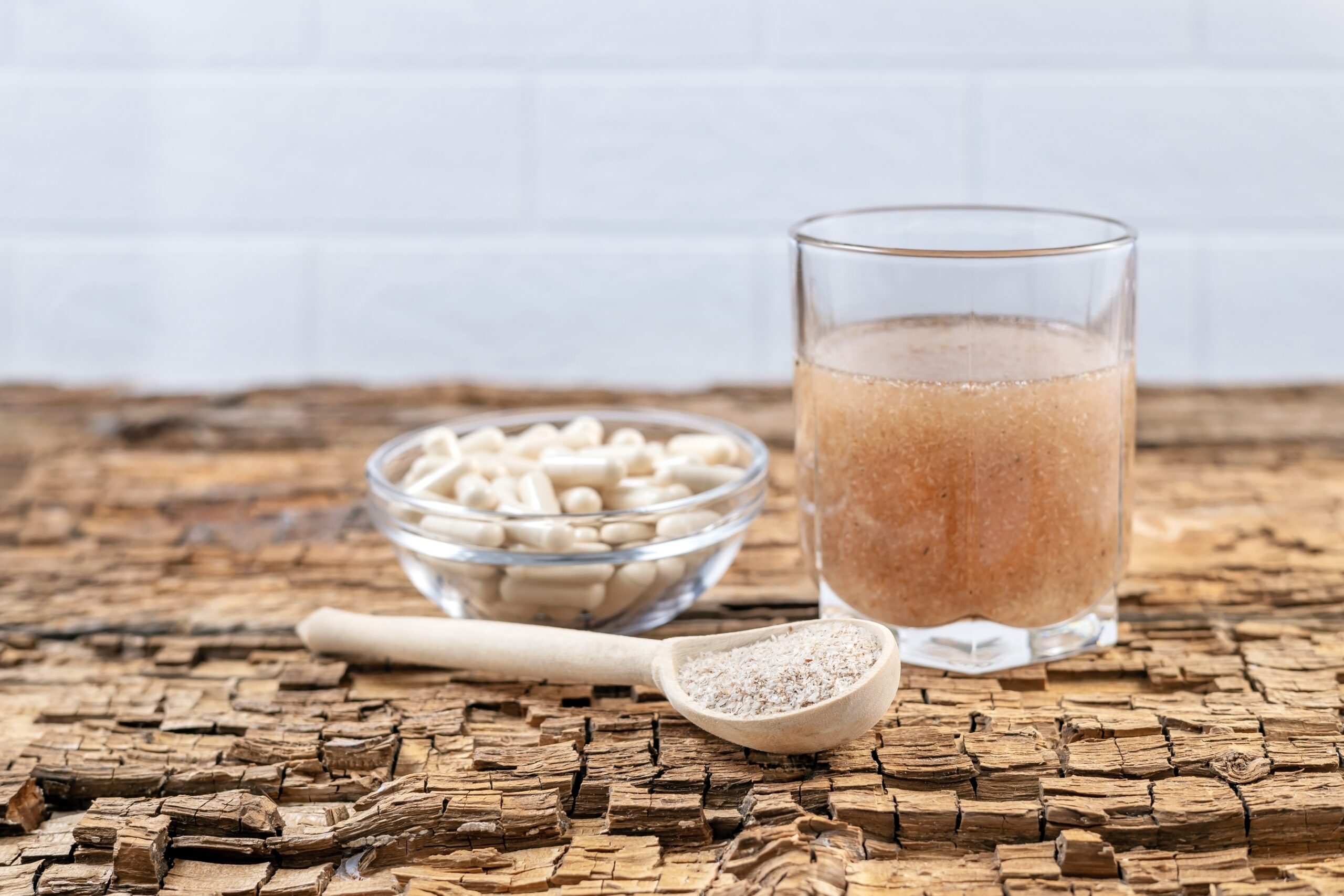
The story’s center of gravity is simple: aim for adequate fiber, prioritize soluble/fermentable sources or prebiotic supplements if tolerated, and don’t assume higher and higher doses bring higher and higher returns. The ~15 grams per day threshold described in the observational analysis should prompt a reality check: many older adults fall short even of basic targets, while others chase oversized supplement scoops that backfire. Start low, increase gradually, and treat consistency as the real “hack.”
Older readers should also keep expectations sane. Fiber won’t replace sleep, movement, blood-pressure control, or managing diabetes risk—factors that punish cognition when neglected. The interesting twist is that fiber may work as a multiplier: a daily habit that lowers inflammatory tone, supports the gut ecosystem, and potentially makes the brain more resilient. The most compelling part isn’t the hype; it’s that the intervention is accessible, measurable, and, for many families, worth trying before the next crisis forces harder choices.
Sources:
Soluble Fermentable Dietary Fiber Attenuates Age-Related Cognitive Impairment
This Specific Type Of Fiber Improves Memory & Cognition, Study Shows
Daily fiber supplement may improve brain function in older adults
Optimal Fiber Trial (OptiFiT) secondary analysis (PubMed)
Can Fiber Supplements Boost Your Brain Health
A prebiotic blend may improve cognition in healthy older adults